Derby Architecture
At a Glance
- IPAF and PASMA certified team members for safe high-level access on Derby’s taller and older roofs
- Free, no-obligation site visit and written quote before any work is agreed
- Comfortable working across period slate roofs and modern flat roofs alike
Use Latest Technology To Save Cost and Improve Roofing Lifespan
Derby is a city located in Derbyshire, England. It lies on the banks of the River Derwent and is home to a population of around 248,700 people. The city has a long and rich history, dating back to the Roman times when it was known as Darioritum. Derby later became an important centre for the wool trade during the Middle Ages, and more recently has become known for its engineering and manufacturing industries.
One of the most notable features of Derby’s architecture is Derby Cathedral, which was built in the 12th century. The cathedral is home to a number of interesting architectural features, including a set of 28 misericords (wooden seats with carved designs) which date back to the 14th century.
Derby also has a number of other historic buildings and structures, including the Grade I listed St Peter’s Church, which was built in the 11th century, and Derby Castle, which was built in the 12th century.
The city is also home to a number of museums and art galleries, including the Derbyshire County Museum and the Derby Art Gallery.
Derby is a great city to explore if you’re interested in architecture and history. There are a number of walking tours available which will take you around some of the most notable buildings and structures in the city. Alternatively, you can simply wander around and take in the sights at your own pace. Either way, you’re sure to find plenty of interesting things to see and do in Derby.
So, what are you waiting for? Start planning your trip to Derby today!
Types Of Architecture In Derby Uk
There are many different types of architecture to be found in Derby, UK. From mediaeval buildings and churches to more modern structures, there is something to suit everyone’s taste. Here are just a few of the most popular types of architecture you can find in Derby:
- Mediaeval Architecture: Derby Cathedral is a prime example of mediaeval architecture in the city. This Gothic building dates back to the 13th century and is one of the finest examples of its kind in the UK. Other notable mediaeval buildings in Derby include St Werburgh’s Church and All Saints’ Church.
- Georgian Architecture: The Georgians were known for their love of symmetry and grandeur, and this is reflected in the architecture of their era. Many of the finest Georgian buildings in Derby can be found on Friar Gate, including the Assembly Rooms and the Derbyshire County Hospital.
- Victorian Architecture: The Victorians were a very productive bunch and left their mark on Derby in the form of many fine buildings. The most notable examples include the Midland Railway Station, the Albert Hall, and St Mary’s Church.
- Modern Architecture: Derby is home to some excellent examples of modern architecture, such as the Quadrant Shopping Centre and the Silk Mill.
- Build of Historical Interest: Derby is home to a number of buildings of historical interest, including the Grade I listed St Werburgh’s Church and the Grade II listed Derby Cathedral.
- Derby is home to a number of interesting and significant architectural buildings. These include the Midland Railway Station, the Albert Hall, St Mary’s Church, the Quadrant Shopping Centre, the Silk Mill, St Werburgh’s Church and Derby Cathedral.
Sterling Examples Of The Architecture In Derby UK
- The architecture in Derby, UK is used for a variety of purposes.
- The Quadrant Shopping Centre is one of the most popular shopping destinations in Derby, UK. The Silk Mill is also a popular shopping destination.
- The Midland Railway Station is a major train station in Derby, UK. It is used by many people who travel to and from Derby on a daily basis.
- The Albert Hall is a popular events venue in Derby, UK. It is often used for concerts, plays, and other live performances.
- St Werburgh’s Church and Derby Cathedral are both significant religious buildings in Derby, UK. They are both used for religious services and events.
- The University of Derby is the largest university in Derby, UK. It is a popular destination for students from all over the world.
- The Derby Museum and Art Gallery is a popular tourist destination in Derby, UK. It is home to many paintings, sculptures, and other works of art.
Difference Between Derby Architectural Buildings From Other Buildings In UK
- The
buildings in Derby, UK are generally taller than those in other parts of the UK. - The buildings in Derby, UK are generally more ornate than those in other parts of the UK.
- The buildings in Derby, UK are generally made of stone or brick, while those in other parts of the UK are typically made of wood.
- As the capital of Derbyshire, Derby is home to a number of important architectural buildings. These include:
- The Cathedral of All Saints, which is the largest cathedral in England and dates back to the 12th century.
- Derby Castle, which was built in the 11th century and is one of the most important castles in England.
- The Guildhall, which is a 14th century building that houses the city’s courtrooms.
- The Old Courthouse, which is an 18th century building that now serves as a museum.
There are also a number of smaller, but still notable, architectural buildings in Derby. These include:
- The Assembly Rooms, which were built in 1771 and are now used as a conference centre.
- The Silk Mill, which is the world’s oldest working factory and dates back to 1721.
- Queen’s Hall, which is a Victorian concert hall that was built in 1879.
- Derby Cathedral, which is a Gothic Revival cathedral that was completed in 1856.
- The Midland Railway Works, which were built in 1839 and are now home to a number of businesses.
- The Albert Hall, which is a music venue that was built in 1867.
- The Guildhall, which is a historic building that now houses the Derby Visitor Information Centre.
Above are just some of the notable architectural buildings in Derby. There are many more to see and enjoy throughout the city.
More Thoughts
Derby has a variety of different architectures, from ancient to modern. This can be seen as a pro or a con, depending on your perspective. Some people may find the variety to be exciting and interesting, while others may find it confusing and overwhelming.
One of the pros of the architecture in Derby is that it provides a sense of history. The city has been around for centuries, and this is reflected in its buildings. Many of the structures have been standing for hundreds of years, and they provide a glimpse into the past.
Another positive aspect of Derby’s architecture is that it is very diverse. There are buildings from many different periods and styles, so there is something for everyone to enjoy. Whether you prefer Gothic cathedrals or Victorian townhouses, you’ll be able to find it in Derby.
One of the downsides of the architecture in Derby is that it can be difficult to navigate. The city is full of narrow streets and winding alleyways, so it can be easy to get lost. If you’re not familiar with the area, it’s best to stick to the main roads.
Another negative aspect of the city’s architecture is that it can be quite dirty. Due to the high number of tourists, there is a lot of litter and graffiti. This can take away from the beauty of the buildings.
Overall, the architecture of Derby is both positive and negative. It provides a sense of history and diversity, but it can also be difficult to navigate and quite dirty.
General Architecture Of The United Kingdom
The United Kingdom has a varied and rich architectural heritage, with buildings ranging from the prehistoric to the contemporary.
The earliest examples of architecture in the UK are Roman, most notably Hadrian’s Wall and associated forts, built during the occupation of Britain by the Roman Empire. These are often considered some of the finest examples of military engineering in the world.
Many mediaeval castles can be found across the UK, built by powerful nobles and kings as both residences and fortifications. Many of these castles were later developed into grand country houses during the Renaissance and Georgian periods.
During the Industrial Revolution, Britain saw a rapid growth in urbanisation and the rise of new towns and cities. This led to a need for improved infrastructure, including canals and railways, which were built by early civil engineering pioneers.
In the 20th century, Britain continued to develop its infrastructure, with notable achievements including the building of the London Underground, the opening of the Forth Bridge, and the construction of Heathrow Airport. More recently, projects such as the Channel Tunnel and the Millennium Dome have demonstrated Britain’s engineering prowess on a global stage.
Roofing Contractor Near Me - Our Roofing Capabilities
Special Architecture Of Derby For Notable Buildings
- The Assembly Rooms, Derby. The Assembly Rooms are a set of historic buildings that were built in the 1780s. They now house a theatre, cinema, and other attractions.
- The Pickford’s House Museum is a good place to start your tour of the architecture of Derby. It is located in the city centre and is easy to find. The museum is dedicated to the life and work of architect Joseph Pickford. It contains many original drawings and models of his buildings.
- The Cathedral of All Saints is another must-see for anyone interested in the architecture of Derby. It is the largest cathedral in England and dates back to the 12th century. The building is massive and very impressive. Be sure to take a look at the beautiful stained glass windows. This Gothic building was designed by Augustus Welby Pugin and is one of the most important examples of his work. The Cathedral is also home to the world’s largest collection of Pugin furniture.
- For something a little different, check out the Derbyshire County Council Headquarters. This building was designed by Sir Edwin Lutyens and is considered to be one of his finest works. The building is made from Portland stone and has an interesting design.
- If you are interested in modern architecture, Derby has plenty to offer as well. The Assembly Rooms are a good place to start. This building was designed by Sir Norman Foster and opened in 2009. It is one of the most iconic buildings in Derby and has won numerous awards.
- Another must-see for anyone interested in the architecture of Derby is the Strutt’s North Mill. This mill was built in 1786 and is now a museum. It is one of the best-preserved examples of an early industrial building in the UK.
- The Guildhall is a historic building that now houses the city council. It was built in the 14th century and has a beautiful timber frame.
- St. Mary’s Church. St. Mary’s Church is another Gothic building, located in the centre of Derby. It has a large spire and is one of the tallest churches in the area.
- The Old Courthouse. The Old Courthouse is a Grade I listed building that was built in the 18th century. It now houses the Derby Heritage Centre.
Finally, no
trip to Derby would be complete without a visit to the Cathedral. This building dates back to the 12th century and is one of the most important historical buildings in the city.
As you can see, there is plenty to see and do in Derby if you are interested in architecture. Whether you want to see historic buildings or modern marvels, Derby has something to offer.
Roofing Work Suited To Derby’s Mix Of Old And New Buildings
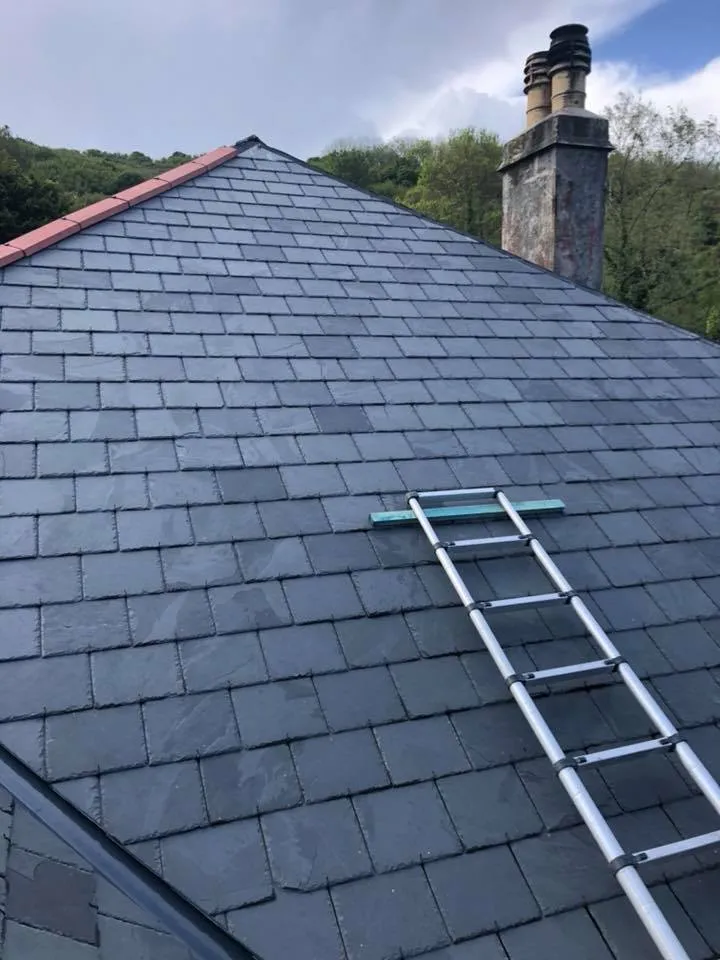
- Slate and clay tile re-roofing on Georgian and Victorian properties, including terraces around areas like Friar Gate
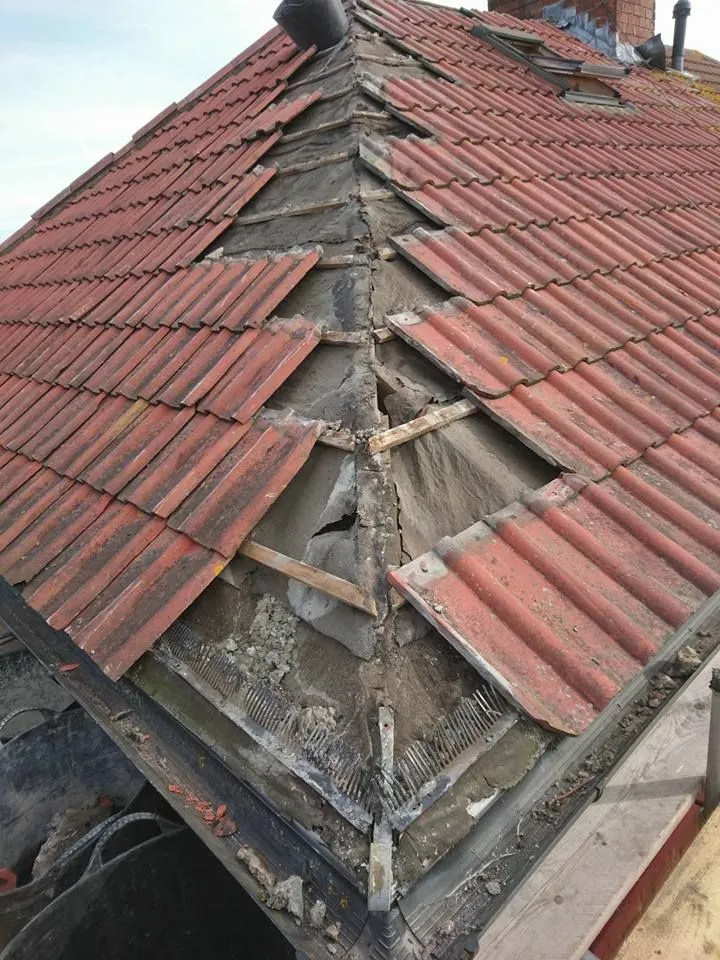
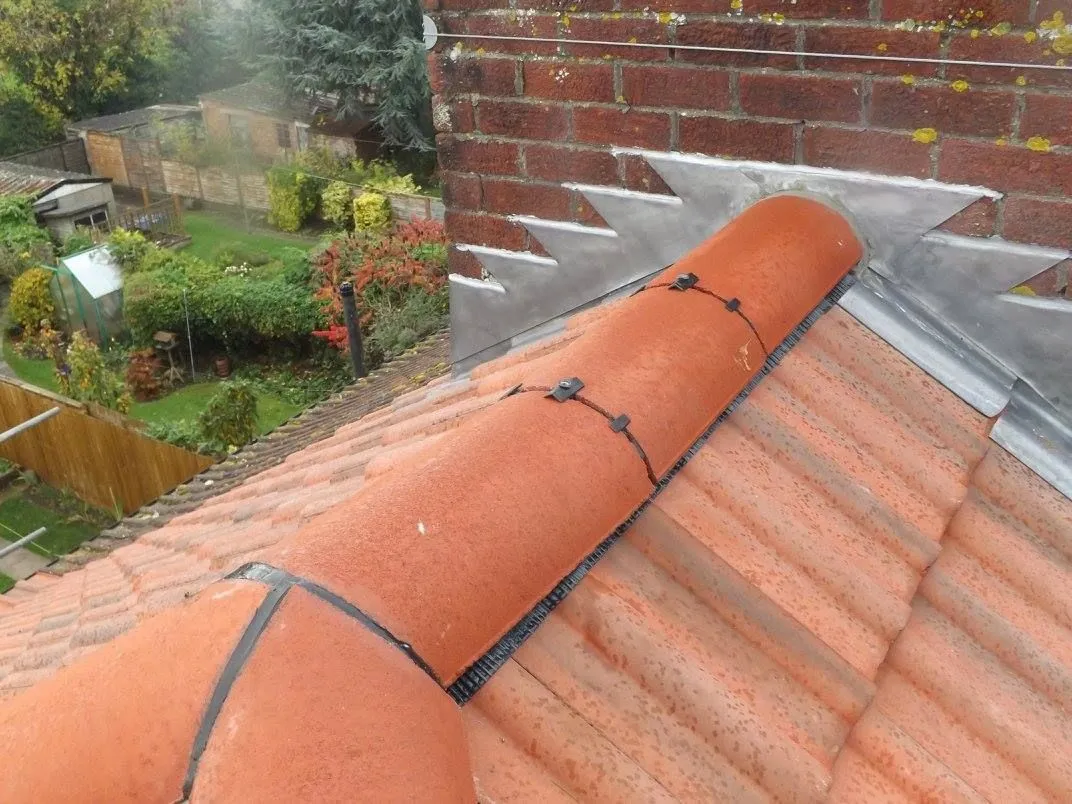
- Dry ridge system installation, replacing mortar-bedded ridge tiles on pitched roofs
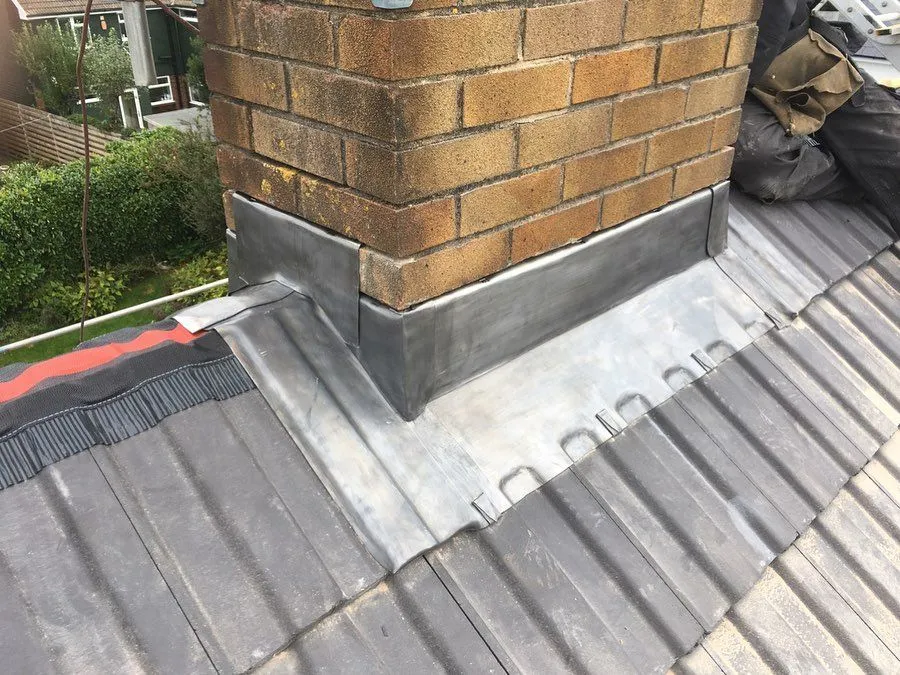
- Lead flashing, valley, and chimney work on older stone and brick buildings
- Flat roofing (felt, GRP, or single-ply) for modern extensions and commercial units
- Roof repairs, ridge and hip tile replacement, and guttering on both period and modern properties
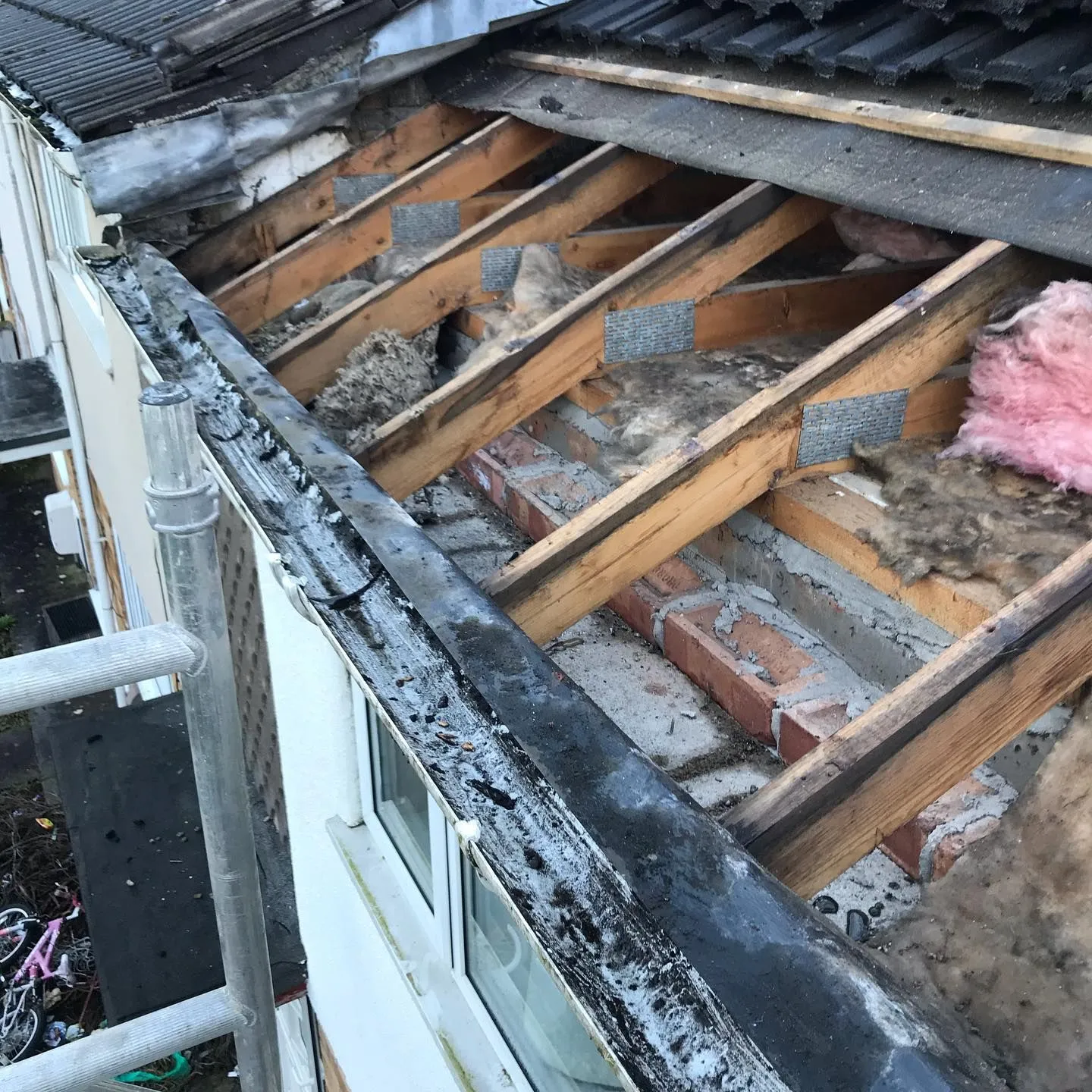
- High-level access using MEWPs or mobile scaffold towers for taller buildings, churches, and multi-storey commercial premises
Not Included / Costed Separately
- Listed building consent applications - that’s a matter between you and the local planning authority, though we can talk through what the roofing side of a job involves
- Stonework and masonry restoration such as carving or repointing brick facades, which needs a specialist stonemason rather than a roofer
- Internal repairs like plastering or redecorating after a leak, unless agreed as part of the job
- Scaffolding or tower hire beyond what the roofing work itself needs, which is costed and agreed upfront rather than assumed
How A Roofing Job Runs, From First Call To Finish
- Initial call: You tell us about the property - roughly how old it is, what the roof is made of, and what the problem is, whether that’s a leak, missing tiles, or a full re-roof.
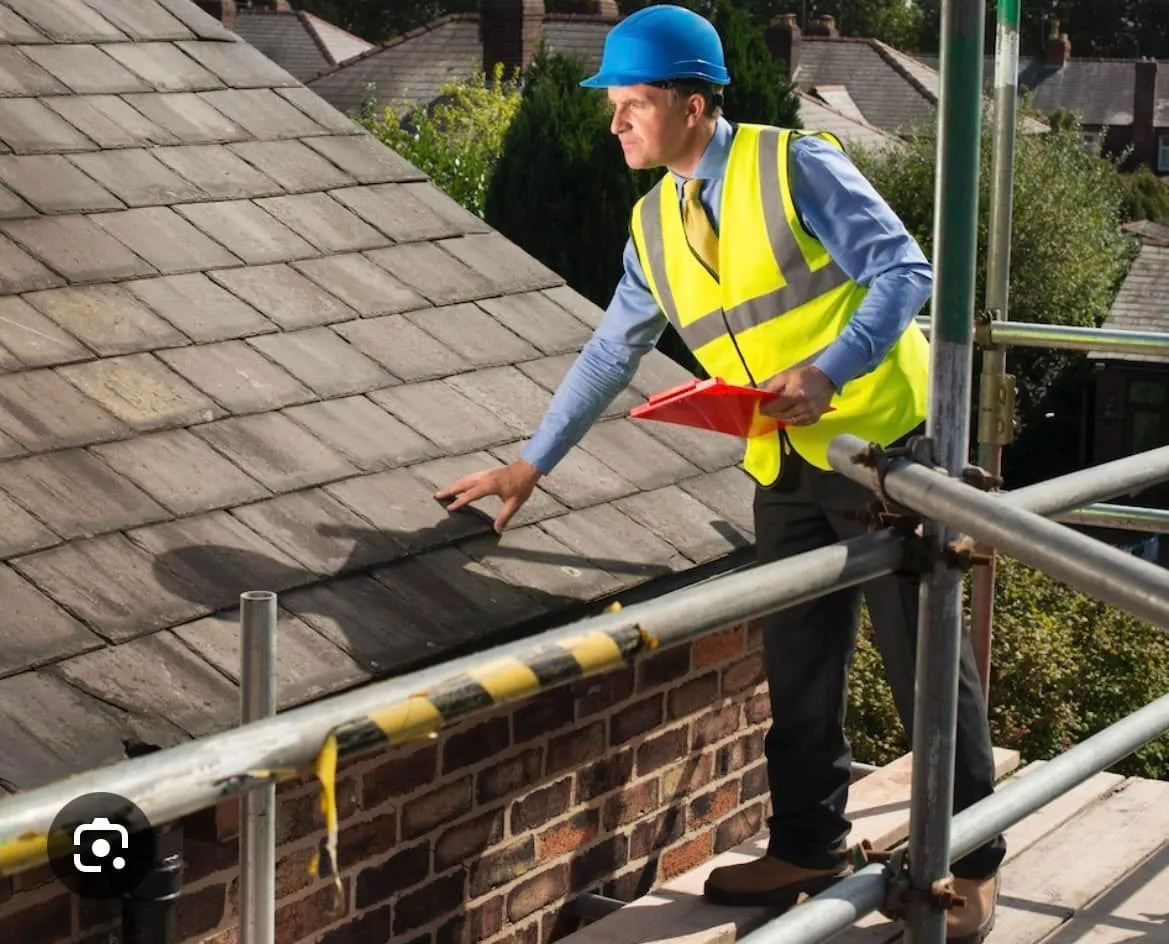
- Site visit: A roofer comes out to look at the roof itself, checks the condition of the tiles, ridge, flashing, and guttering, and works out what access equipment the job will need.
- Written quote: You get a written price for the work, with any options set out clearly - for example dry ridge system installation versus a traditional mortar ridge repair.
- Access arranged: For taller roofs, churches, mills, or multi-storey buildings, a mobile tower or MEWP is booked in and operated by team members holding IPAF and PASMA certification.
- The roofing work: Repairs, re-roofing, or ridge and flashing work is carried out, using materials that suit the building where that matters, such as slate to match an existing Victorian roof.
- Clean-up and completion: Waste and old materials are cleared from site and the finished roof is checked over before the job is signed off.
What Affects The Price Of A Derby Roofing Job
Price depends on what the roof is made of and how it’s built as much as on its size. A dry ridge system on a straightforward pitched roof is generally more affordable than lead valley or flashing work on an older stone or brick building, and a Victorian slate re-roof will usually cost more than a like-for-like repair on a modern felt or GRP flat roof, partly because of the materials and partly because of the access needed to reach it safely. Taller buildings or ones needing a mobile tower or MEWP add the cost of that access on top of the roofing work itself. None of this replaces an actual figure for your property - a full, accurate quote needs a site visit so the roof can be looked at properly before any price is put in writing.
Roofing Needs Across Derby’s Different Building Types
| Building type | Typical roof construction | Common work needed | Access needed |
|---|---|---|---|
| Georgian townhouses (e.g. around Friar Gate) | Slate or clay tile, steep pitch | Re-roofing, lead valleys, ridge repair | Tower scaffold, with care around conservation-area features |
| Victorian terraces | Slate roofs, ornate ridge tiles | Dry ridge installation, tile replacement, guttering | Ladder or tower access |
| Modern extensions and commercial units | Flat roofing (felt, GRP, single-ply) | Flat roof repair and waterproofing | Low-level, but often larger roof areas |
| Multi-storey and landmark buildings (churches, mills) | Pitched slate or lead | Specialist high-level repair and flashing | MEWP or PASMA mobile tower |
Roofing That Fits Derby’s Conservation Areas, Not Just Its Roofs
Friar Gate and the streets around it sit inside a conservation area, and much of it falls under an Article 4 direction, which removes the automatic right to swap original materials for whatever’s cheapest or easiest to source. A replacement roof there generally needs to match what’s already up - slate type, ridge tile profile, flashing detail - rather than a standard specification rolled out on any job. That’s a different starting point to re-covering a flat roof on a modern extension a mile away, and it means the materials and methods get worked out against what the building and the planning rules actually call for, not a one-size approach applied across the city. Team members also hold IPAF and PASMA certification, so once the material questions are settled, the access side of the job - tower or MEWP - gets arranged to suit rather than left as an afterthought.
Derby First, With Roofing Reach Across The East Midlands And Beyond
The base is Derby, and most jobs are in the city itself and the rest of Derbyshire, plus Nottingham and Nottinghamshire close by. The same team also takes on roofing work further out across Sheffield, Doncaster, Rotherham, Wakefield, Leeds, York, and Manchester, covering many of the same period terraces, mill conversions, and church roofs found around Derby. If you’d like to see more of what the city itself has to offer while a quote is put together, our things to do in Derby page covers some of the same landmarks mentioned above.
Frequently Asked Questions
Do you work on listed buildings in Derby?
Yes. Derby has a number of Grade I and Grade II listed buildings, including churches and older Georgian and Victorian properties, and roofing work on these needs materials and methods that suit the building. Listed building consent itself is a matter between you and the local planning authority, but we can talk through what a job on a listed roof involves.
What is a dry ridge system and would it suit an older roof?
A dry ridge system replaces the traditional mortar bedding under ridge tiles with a mechanically fixed, dry-fitted system, which holds up better over time than mortar that can crack and let water in. It works on most pitched tiled roofs, including many of the older slate roofs found across Derby, though the right approach for a listed or conservation-area property is best confirmed on site.
Does a conservation area or Article 4 direction affect what roofing materials I can use?
It can. Areas such as Friar Gate carry conservation area status and, in parts, an Article 4 direction, which removes some of the automatic permitted-development rights and generally means replacement roofing needs to match the existing slate, ridge, and flashing detail rather than a cheaper alternative. What applies to a specific property is a planning question for the council, but we can talk through the roofing side once you know where you stand.
Can you get up to taller buildings like churches or mill roofs?
Yes. Team members hold IPAF certification for powered access and MEWP operation and PASMA certification for mobile access tower operation, which covers the kind of high-level access that churches, mills, and multi-storey buildings around Derby need.
Do you match roofing materials to a building’s original period?
Where it matters, yes - a Victorian terrace roofed in slate is generally re-roofed or repaired in slate rather than a different material, and older stone or brick buildings usually need lead flashing and valley work rather than modern alternatives. What’s right for a specific roof is confirmed at the site visit.
Do you do flat roofing as well as pitched period roofs?
Yes, alongside work on older pitched roofs we cover flat roofing - felt, GRP, or single-ply - which is more typical of modern extensions and commercial units in newer parts of the city.
How do you access roofs on tall Georgian or Victorian properties?
Depending on the roof and the building, that’s either a mobile access tower or a mobile elevating work platform (MEWP), both operated by team members holding the relevant PASMA and IPAF certification, so access is matched to the height and layout of the property rather than relying on a ladder where it isn’t appropriate.
How much does a re-roof or dry ridge installation cost?
It depends on the roof’s construction, size, and how it’s accessed - a dry ridge job on a simple pitched roof costs less than a full re-roof involving lead work or scaffolding, and a modern flat roof repair is priced differently again to a Victorian slate roof. A full quote needs a site visit so the roof can be looked at before a price is confirmed.
Do I need to be present for the site visit?
It helps if someone who knows the property can point out any specific problems, such as a recurring leak or a damaged area, but it isn’t essential as long as the roof itself is accessible to look at.
What areas around Derby do you cover?
Derby itself, plus the rest of Derbyshire, Nottingham, and Nottinghamshire close by, with jobs also taken on further out across Sheffield, Doncaster, Rotherham, Wakefield, Leeds, York, and Manchester.
Protect What Makes Your Derby Roof Worth Looking After
Whether it’s a Georgian terrace, a Victorian slate roof, or a modern flat roof, a small gap in the ridge or a cracked flashing lets water into the building underneath long before it’s obvious from the ground, and older roofs in particular can take longer and cost more to put right the longer that’s left. Get in touch for a site visit and a written quote before the next spell of wet weather finds the weak point for you.
Contact Your Local Roofer In Derby - Very Competitive Offer
If you would like our Derby Roofers to prepare a free quotation for a dry ridge system Installation at your home or business, then give us a call.
“Very friendly and professional service. They delivered my job on time and at a good price.”
DERBY ROOFERS - That is what we aim to hear from our customers all the time.
Get a Free Quote
🔒 Your details are safe with us. No spam, ever.