Derby Roofers
Professional Chimney Breast Removal Service
Call us now book a FREE consultation and FREE Quotation
FREE Drone Survey Available
Call: 01332-529704
Chimney Breast Removal Derby — Safe, Structural, Stress-Free
We Are Your Trusted, Local Roofing Contractor Serving Derby & Derbyshire
Don't wait — contact Derby Roofers today for a FREE quote and a FREE drone roof survey.
📞
Call Now: 01332-529704
Chimney breast removal in Derby is one of the most common structural jobs we carry out across Derbyshire. Victorian terraces in Normanton, post-war semis in Mickleover, and period homes in Pear Tree all tend to have chimney breasts that eat into living space without serving any purpose.
With central heating now standard across Derby homes, that old fireplace opening is often just wasted wall space — and the chimney breast itself can block furniture placement, interrupt kitchen runs, and make rooms feel smaller than they are.
We handle the full job — structural assessment, RSJ installation, debris removal, and making good — so you get a finished room, not just a hole in the wall. We have been carrying out chimney and roofing work across Derby and Derbyshire for over 20 years.
Call us on
01332-529704 to book a free survey.
What Does Chimney Breast Removal in Derby Involve?
Chimney breast removal is a structural alteration. The breast is the section of chimney that projects into the room — from the ground floor up through the building. Removing it requires temporary support, structural steelwork, and Building Regulations sign-off.
Here are the most common reasons Derby homeowners choose to remove a chimney breast:
- Free up floor space in a lounge, dining room, or bedroom
- Create a straight run of kitchen units without an awkward projection
- Modernise the room layout and open up new furniture arrangements
- Eliminate damp ingress caused by an unused, poorly sealed flue
- Remove a deteriorating structure that is costing money to maintain
- Prepare for a loft conversion or home extension
Here is what the removal process looks like from start to finish:
- We survey the chimney breast and confirm whether it is load-bearing
- A structural engineer calculates the RSJ size needed to carry the stack above
- The chimney breast is removed floor by floor in controlled sections
- The RSJ is installed to carry the weight of any remaining stack
- Floors, skirting boards, and ceilings are made good where disturbed
- Walls are plastered and ready for decorating
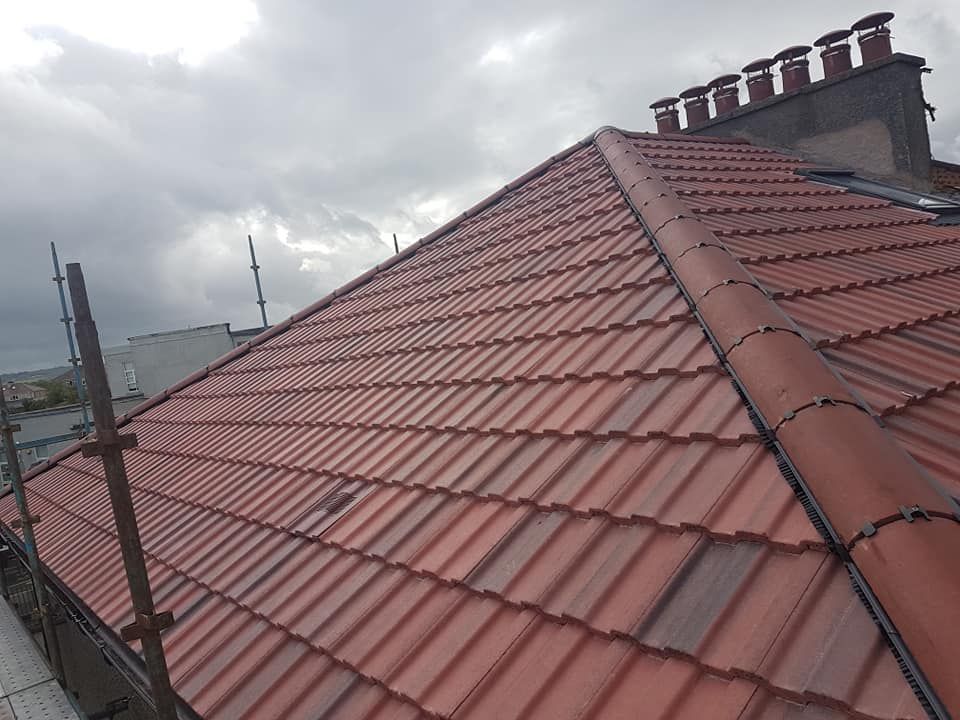
- The roof-level stack is sealed, capped, or fully removed and re-tiled
- Building Regulations sign-off and a completion certificate are issued
We manage waste removal throughout. Rubble is cleared from your property as the job progresses — not left for you to deal with at the end.
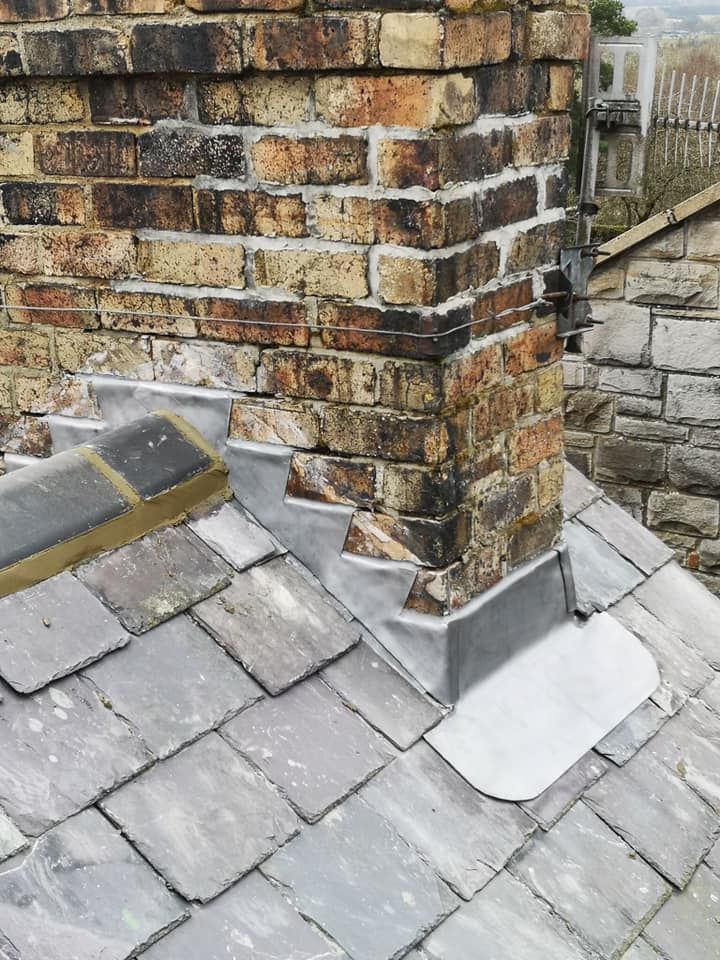
A Structural Engineer Is Required Before Chimney Breast Removal
If you are planning chimney breast removal in Derby, a structural engineer must be involved before any brickwork is touched. This is not optional — it is a Building Regulations requirement.
The engineer calculates the correct RSJ size to carry the load of the chimney stack above. Without these calculations, the work cannot receive Building Control sign-off. That matters when you sell your home — buyers' solicitors routinely ask for completion certificates on structural alterations.
Unsupported chimney breast removals are one of the most common issues flagged by surveyors during property sales in Derby. Work carried out without sign-off — often done in the 1970s and 1980s — can lead to buyers pulling out or demanding price reductions to cover remediation.
If your property is a terraced home in an area like Normanton or Pear Tree, your chimney stack may be shared with a neighbour. In this case, a party wall agreement is needed before work begins. The Party Wall Act 1996 applies — your neighbour must be given written notice, typically at least two months before work starts on a party wall. We advise you on this at the survey stage.
What we organise at the survey stage:
- Load-bearing status confirmed
- Structural engineer referral if required
- Party wall agreement advice for shared stacks
- Building Control notification arranged
- Gas Safe referral if the chimney breast previously housed a gas fire
Call
01332-529704 to book your free survey.
Chimney Breast Removal Is a Major Structural Job — Here's What It Involves
This is not a simple demolition task. A chimney breast runs through the full height of a property and carries structural load where it passes between floors. Removing it means working from the top down, installing temporary support, fitting a steel beam, and making good every surface disturbed.
In Derby, the older red-brick housing stock — particularly in areas like Spondon and Breadsall — produces a high volume of rubble during removal. We plan skip placement and access routes before we start, so disruption to your home and street is kept to a minimum.
A full chimney breast removal covers:
- Temporary propping to support floors and ceilings during removal
- Brick-by-brick removal of the breast in controlled sections
- RSJ installation at each floor level where support is needed
- Additional floor joist trimmers fitted where the hearth is removed at ground level
- Wall, floor, and ceiling making-good after steelwork is in place
- Skirting boards reinstated to match existing
- Debris cleared and removed throughout — not left on site
- Final plastered finish ready for your decorator
One thing to be aware of: chimney breast removal is a dusty job. We seal off the work area with dust sheets and protective boarding to keep the rest of your home as clean as possible throughout the job.
Full vs Partial Chimney Breast Removal — What Derby Homeowners Choose
Not every job requires removing the breast from every floor. Some Derby homeowners remove the ground floor breast only — freeing up lounge or dining room space — while leaving the breast intact in the bedroom above.
This is called a partial removal. It still requires a structural engineer and Building Regulations sign-off because the remaining stack above the removed section must be fully supported by a steel beam. The difference is scope, not approach.
Ground floor removal only suits homeowners who want more living space downstairs without disturbing the bedroom layout above. This is the most common option we carry out across Derby's terraced housing.
First floor or bedroom removal only is also possible — useful where the breast blocks wardrobe space or makes the room feel narrow, while the ground floor fireplace is still in use or preferred as a feature.
Full removal — from ground floor to roof — suits homeowners who want the stack gone entirely. This includes roof-level making-good and re-tiling where the stack has been removed.
Chimney breast support (rather than full removal) is an option where full removal is not practical. A steel beam and brackets carry the load while the breast is retained but reduced in projection. We discuss this at the survey where relevant.
We discuss all options at the survey and help you choose based on your property's layout and goals. Call
01332-529704 to talk it through.
No Planning Permission Is Needed for Most Chimney Breast Removals in Derby
For the majority of Derby properties, chimney breast removal is classified as permitted development. You do not need to apply to Derby City Council for planning permission before the work starts.
There are exceptions worth knowing:
Listed buildings — any structural alteration requires Listed Building Consent. Derby has a number of listed properties, particularly around the Cathedral Quarter and Friargate. If you are unsure whether your home is listed, check with Derby City Council before booking.
Conservation areas — properties in designated conservation areas such as Darley Abbey may face restrictions on structural work, particularly where the external stack is visible from a public road. We check your postcode at the survey stage and flag any issues before work begins.
Flats and maisonettes — permitted development does not apply. If you own a leasehold property, you also need the freeholder's permission before removing a chimney breast. If you are buying a property in Derby with a previously removed chimney breast, always ask for the Building Regulations completion certificate — if one is not available, a retrospective inspection may be needed.
Building Regulations approval is always required regardless of location. We notify Building Control and arrange for the completed work to be inspected and certified.
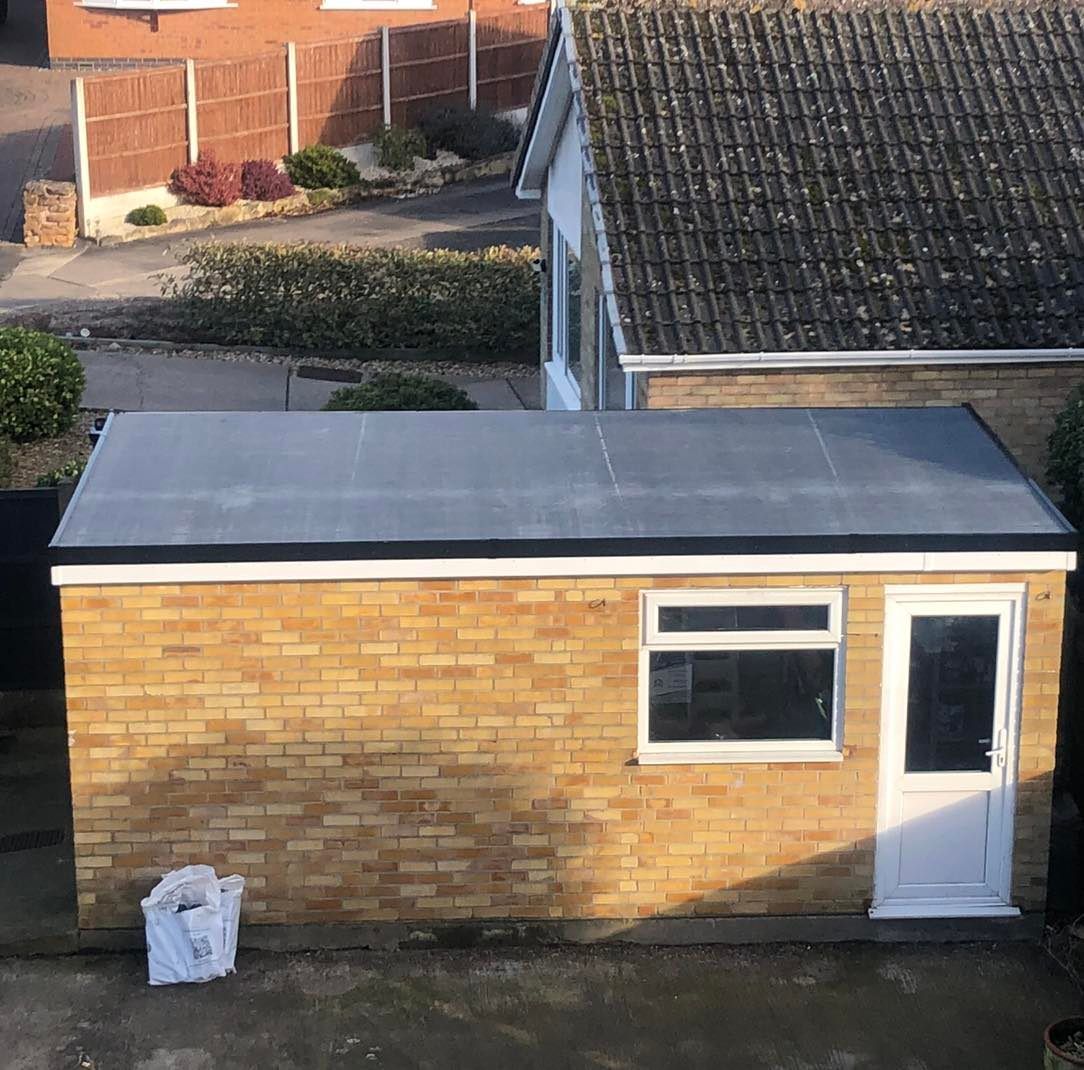
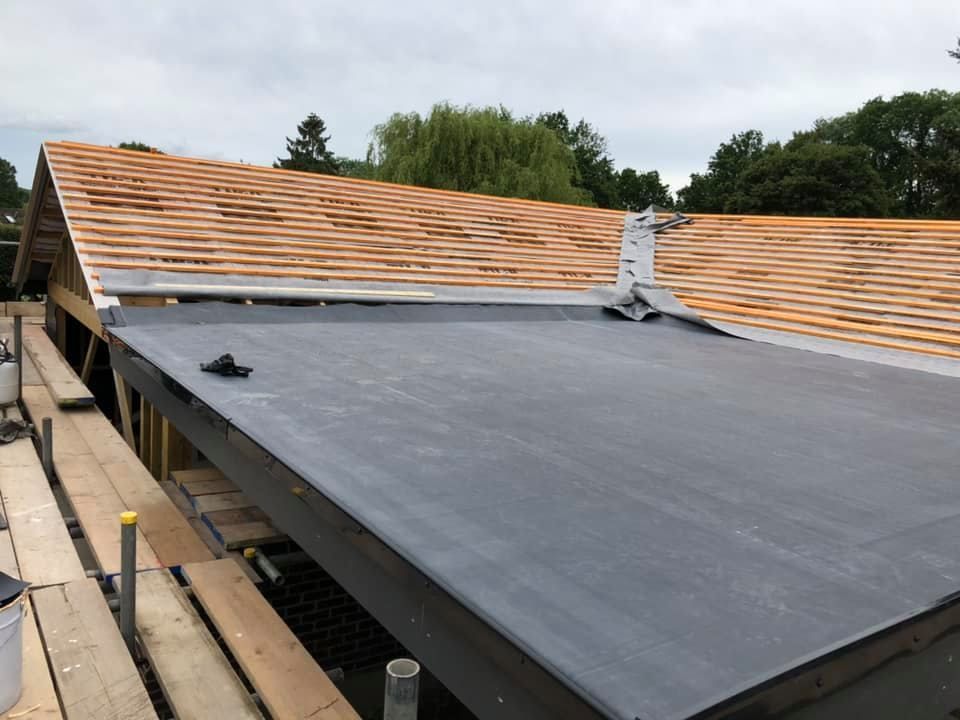
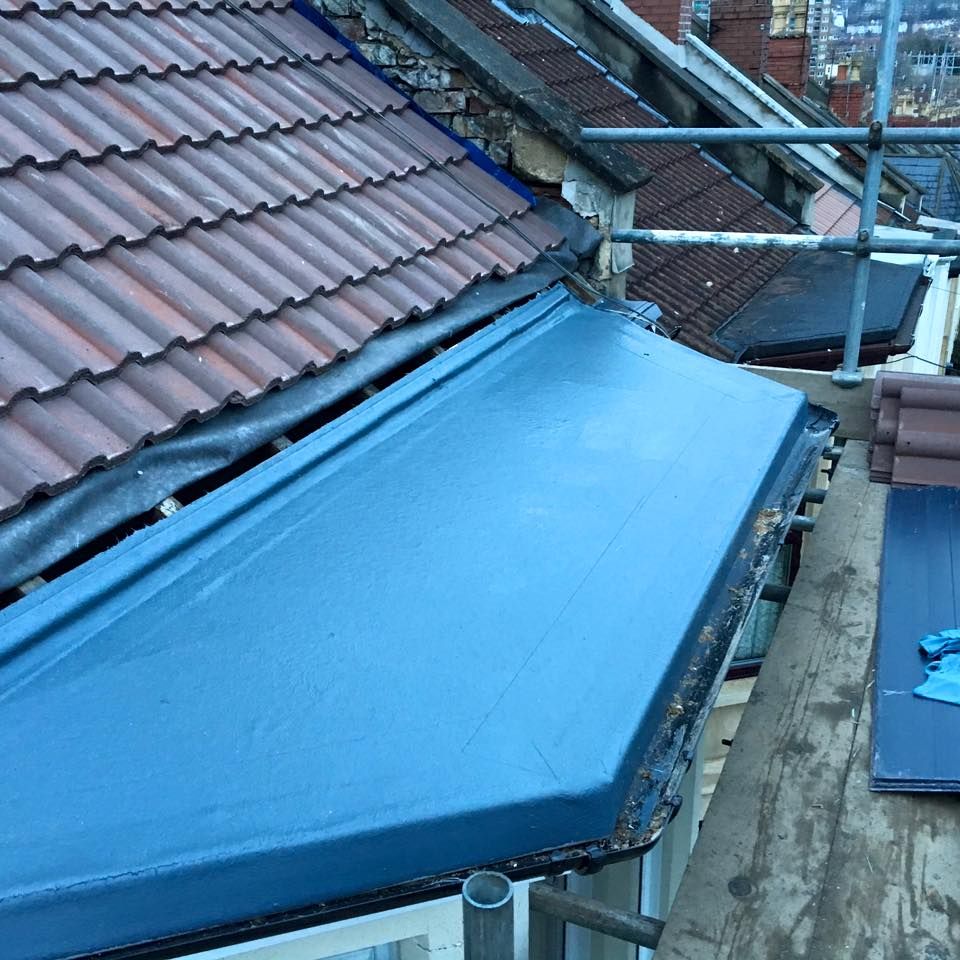
Removing a Chimney Breast Protects Your Home's Value When Done Correctly
A chimney breast removal carried out without structural sign-off can create serious problems when you come to sell. Buyers' solicitors look for a Building Regulations completion certificate for any structural alteration. Without one, buyers often withdraw or negotiate a price reduction.
When the work is done correctly — with structural calculations, a properly sized RSJ, and Building Control sign-off — chimney breast removal adds usable square footage to a room. In Derby's housing market, larger and more flexible living spaces are attractive to buyers.
The question of whether removing a chimney breast devalues a property comes down to how it was done. A certified, properly finished removal that gives back usable floor space is generally seen as a positive. An uncertified removal flagged by a surveyor is what causes problems.
The steps that protect your home's value:
- Structural engineer calculates and signs off the steelwork
- Building Control inspects the work at key stages
- A completion certificate is issued on completion
- Walls and ceilings are properly made good — not patched
- Work is documented so you have a clear paper trail for future buyers or lenders
We carry out all of this as part of the standard job. You are not left to organise sign-off separately.
Damp After Chimney Breast Removal Is Preventable With the Right Method
Damp problems after chimney breast removal are almost always caused by one thing: the flue or stack not being sealed properly at roof level. When the breast is removed but the stack above is left open or inadequately capped, rainwater enters the flue and tracks down into the wall.
Derbyshire winters are wet. An exposed or poorly sealed stack on a Derby property will deteriorate faster than in drier parts of the country. This makes correct roof-level work one of the most important parts of any chimney breast removal job.
When we remove a chimney breast, we deal with the stack above as part of the same job:
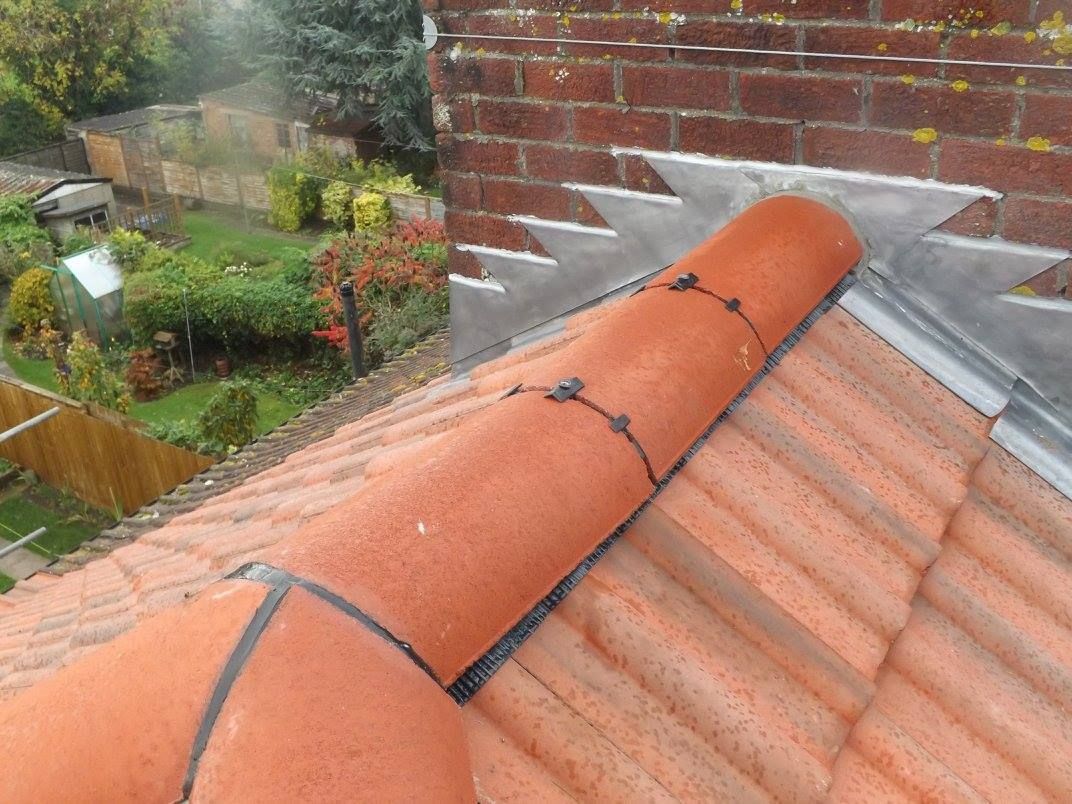
- If the stack remains, the flue is fitted with a ventilated cowl — allowing air movement while blocking water entry and preventing condensation build-up inside the flue
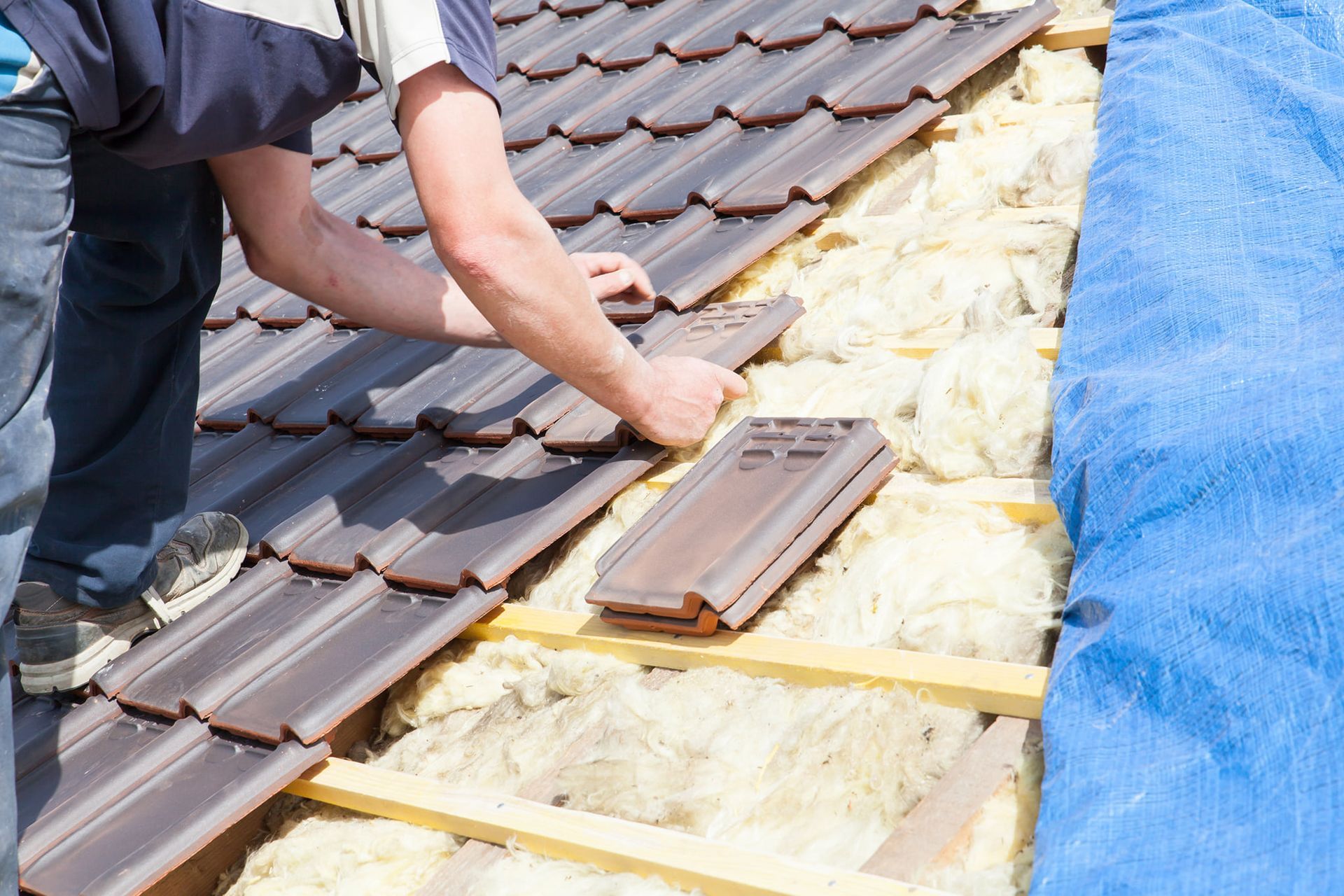
- If the stack is removed entirely, the roof is re-tiled and made fully watertight
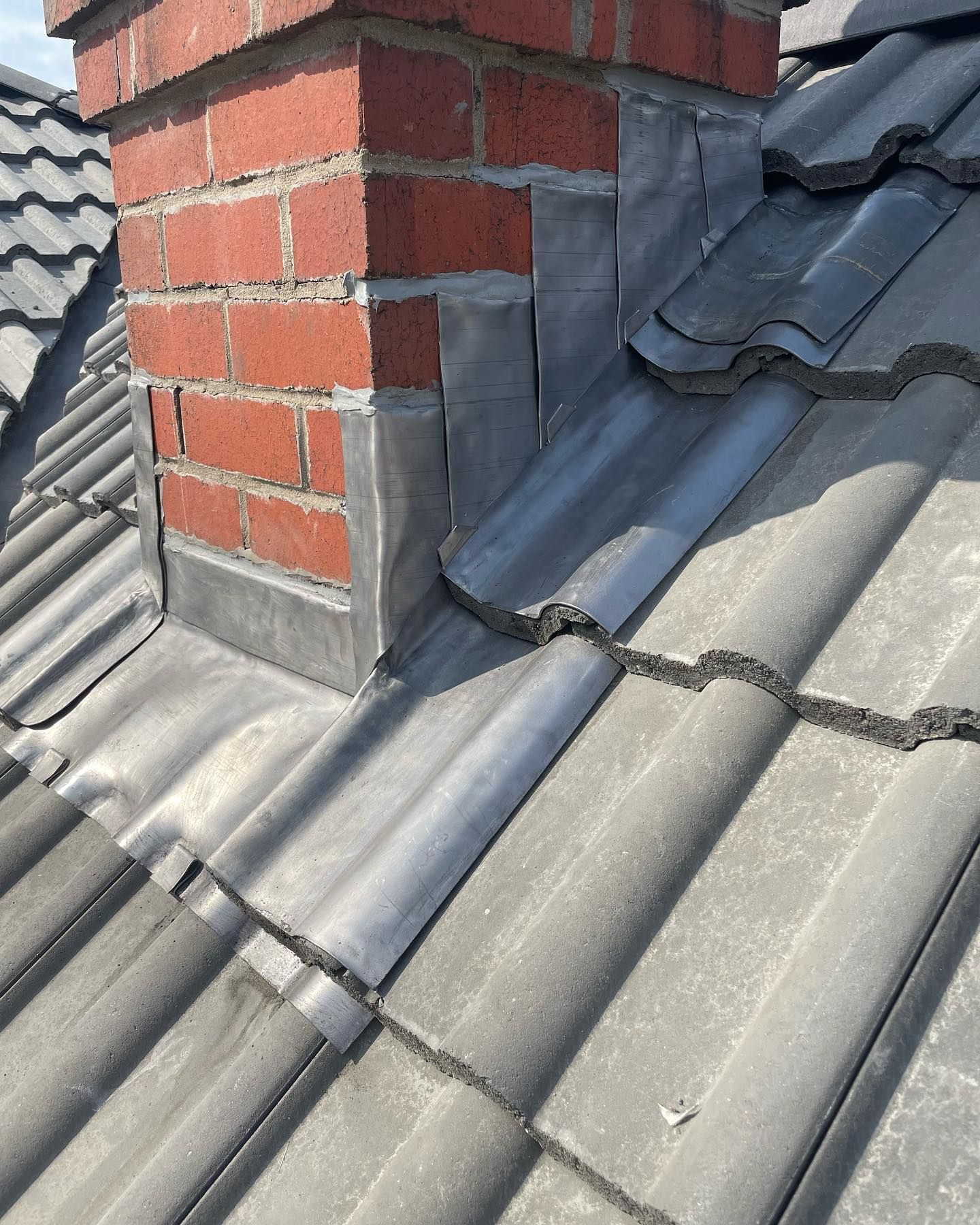
- Flashings around any remaining stack are checked and replaced where worn
- An air brick is installed at low level where appropriate to maintain ventilation through the sealed flue
A thorough job at roof level means you will not see damp patches appearing on the wall where the breast used to be.
How to Tell If Your Chimney Breast Is Load-Bearing Before Work Begins
Most chimney breasts in Derby terraces and semis are load-bearing — but not all. Knowing which category yours falls into helps you understand the scope of work before we visit.
Signs your chimney breast is likely load-bearing:
- The chimney runs through more than one floor
- The breast sits against an external or party wall
- There is a chimney stack visible on the roof directly above it
- The property is a Victorian or Edwardian terrace
- Joists or beams from the floor above appear to bear against the chimney breast
Signs it may not be load-bearing:
- The breast appears to be a later addition, not part of the original structure
- The chimney has already been removed at roof level with no stack remaining
- The breast only appears on one floor with no masonry above
- The property was built post-1970 and the chimney breast is slender and clearly non-structural
One additional thing to check in older Derby terraces: cross-over flues. In some properties, flues from one house cross over into the adjoining chimney stack. This can make chimney breast removal more complex or, in some cases, not possible without removing the full stack. We check for this at the survey stage.
Even if you are fairly certain yours is not structural, a structural engineer must assess it before we proceed. Semi-detached homes in Allestree and Mickleover often have isolated stacks that are straightforward to assess. Terraced properties in Normanton or Pear Tree — where stacks are shared between houses — require more careful evaluation.
Frequently Asked Questions About Chimney Breast Removal
How much does chimney breast removal cost in Derby?
Chimney breast removal costs vary depending on whether you are removing the breast from one floor or multiple floors, whether the chimney stack is being removed or retained, and the amount of making-good required. Ground floor-only removal tends to be less involved than a full multi-floor removal with roof-level work. We provide a detailed, no-obligation quote at the survey stage so you know exactly what is included before any work begins. Call 01332-529704 to arrange a free survey.
Do I need a structural engineer to remove a chimney breast in Derby?
Yes — a structural engineer must calculate the RSJ size needed to support any stack remaining above the removed section. This is a Building Regulations requirement. We can refer you to a local engineer at the survey stage.
Does chimney breast removal need Building Regulations approval in Derby?
Yes — Building Control must be notified before work starts, and the completed job must be inspected and certified. Derby City Council's Building Control team or an approved inspector handles this. We manage the notification and inspection process as part of the job.
Is it a big job to remove a chimney breast?
Yes — it is a significant structural alteration. It involves temporary propping, structural steelwork, brickwork removal, and making good of walls, floors, and ceilings. It is not a weekend DIY job. Most single-floor removals take three to five days with a two-person crew. Full multi-floor removals take longer.
Does removing a chimney breast devalue a house?
Not when it is done correctly with a Building Regulations completion certificate. A properly finished removal that reclaims floor space is generally viewed positively by buyers. Uncertified removal that is flagged by a surveyor is what causes problems at sale. Always get the paperwork.
Can removing a chimney breast cause damp?
Only if the flue or stack is not properly sealed and ventilated at roof level after the work. We cap or remove the stack and ensure all roof-level flashings are watertight, so damp is not a risk when the job is carried out correctly.
Do I need planning permission for chimney breast removal in Derby?
No — not for most Derby properties. It is classified as permitted development. The exception is listed buildings and properties in designated conservation areas such as Darley Abbey, which may require consent before structural alterations. Building Regulations approval is always required regardless.
How long does chimney breast removal take in Derby?
Most single-floor removals take three to five days including making good. Full multi-floor removals including roof-level stack work take longer depending on access and stack height. We give you a clear timeline at the free survey stage.
Is chimney breast removal messier than a standard chimney removal?
Yes — it produces more internal rubble and dust than a stack-only removal because the work takes place inside the property. We protect floors and furniture with dust sheets and boarding and remove debris as the job progresses.
What happens to the floor where the hearth was removed?
The hearth slab is broken up and removed. Additional floor joists and trimmers are fitted where needed to maintain structural integrity, and the floor is made good and levelled ready for your chosen floor covering. We include this as part of the standard job.
Do I need a party wall agreement for chimney breast removal in Derby?
If your chimney is on a shared wall with a neighbour — common in Derby's terraced streets in Normanton, Peartree, and Spondon — you will need to serve a party wall notice under the Party Wall Act 1996. This must be done before work starts. We advise you on this at the survey stage.
Areas We Cover for Chimney Breast Removal
Derby Roofers proudly serves homeowners and businesses throughout Derby city and the wider Derbyshire area. Our local teams cover:
Derby City Areas:
- Derby City Centre (DE1)
- Allestree, Mackworth & Quarndon (DE22)
- Mickleover (DE3)
- Littleover & Normanton (DE23)
- Chaddesden, Oakwood & Spondon (DE21)
- Alvaston, Crewton & Osmaston (DE24)
Surrounding Derbyshire Towns & Villages:
- Belper (DE56)
- Ripley (DE5)
- Ilkeston (DE7)
- Heanor (DE75)
- Swadlincote (DE11)
- Ashbourne (DE6)
- Matlock (DE4)
- Borrowash & Draycott (DE72)
- Etwall & Hilton (DE65)
- Melbourne & Chellaston (DE73)
- Duffield & Little Eaton (DE56 / DE21)
- Breadsall & Darley Abbey (DE21 / DE22)
- Long Eaton (NG10)
- Castle Donington (DE74)
Not sure if we cover your area? Call us on 01332-529704 and we'll be happy to help.
Ready to Reclaim Your Space? Book a Free Survey Today
If you have a chimney breast that is blocking space, letting in damp, or simply no longer serving any purpose, we can help. Derby Roofers have been working on Derby and Derbyshire homes for over 20 years. We handle chimney breast removal from survey through to Building Regulations sign-off — so you get the space you want and the paperwork you need.
Whether you want to open up a lounge in Normanton, free up a bedroom in Mickleover, or modernise a kitchen in Spondon, our team is ready to visit, assess, and quote — at no cost and no obligation.
Call 01332-529704 today to book your free chimney breast removal survey.