Derby Roofers
Concrete Roof Tilers
Call us now book a FREE consultation and FREE Quotation
FREE Drone Survey Available
Call: 01332-529704
Concrete Roof Tiling Derby — Professional Installation & Repairs
We Are Your Trusted, Local Roofing Contractor Serving Derby & Derbyshire
Don't wait — contact Derby Roofers today for a FREE quote and a FREE drone roof survey.
📞
Call Now: 01332-529704
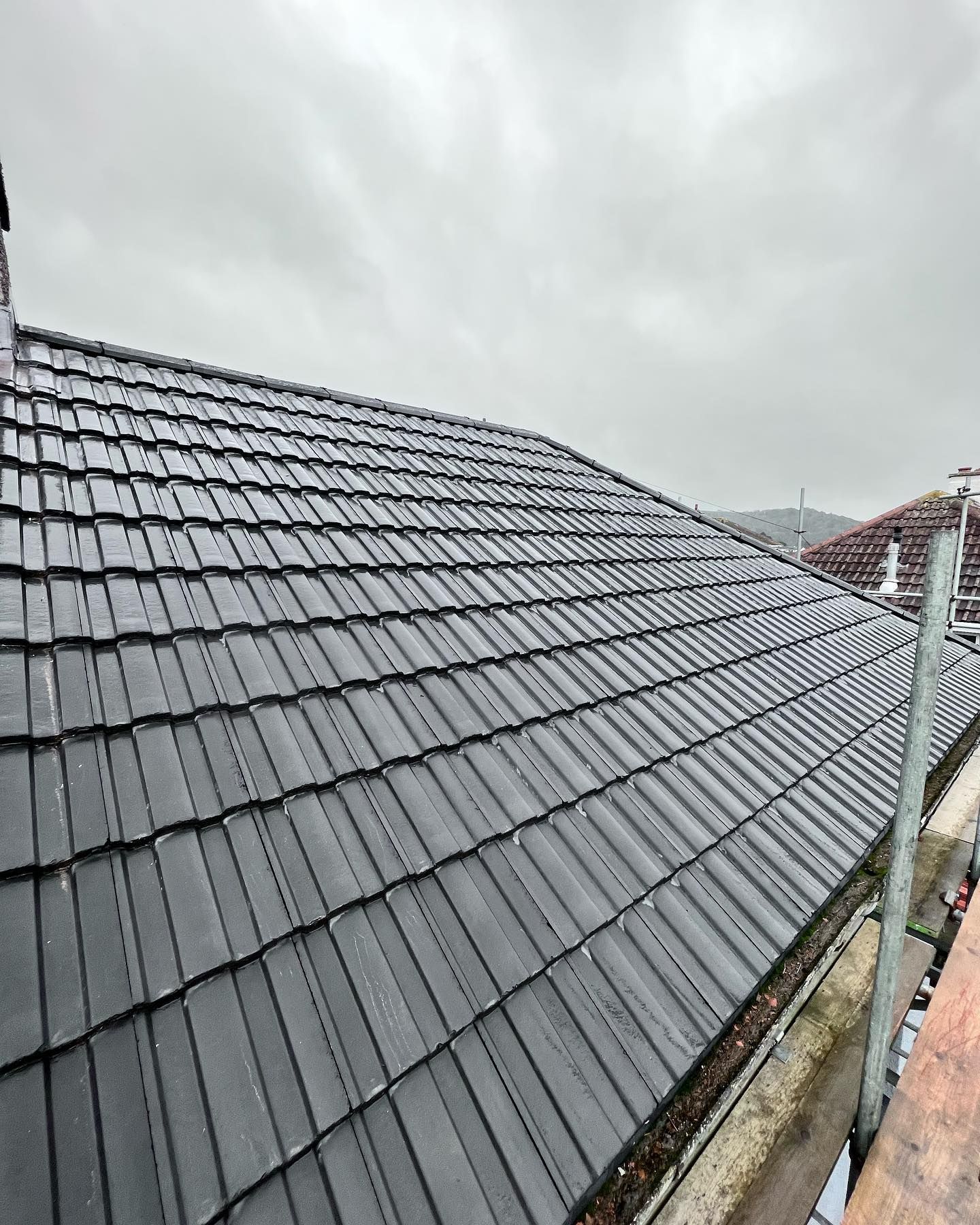
In Derby, concrete roof tiling is one of the most popular and practical choices for pitched residential roofs. You'll find concrete tiles on semis in Mickleover, terraces in Allestree, and post-war estates across Chaddesden and Spondon. They work well in Derbyshire's climate — and when they're fitted correctly, they last for decades.
At Derby Roofers, we carry out concrete roof tiling for new builds, full re-tiles, single-tile replacements, and roof tile repairs. We cover Derby and the surrounding areas including Long Eaton, Belper, Ilkeston, and Mickleover. You get a free roof survey, a clear no-obligation quote, and a local team that has been working on Derby roofs for over 20 years.
Call us on
01332-529704 or complete our online form to book your free survey.
We answer the phone and always call back
Why Concrete Roof Tiles Are a Good Choice for Derby Homes
Concrete tiles are the most widely installed pitched roofing material in the UK — accounting for close to half of all roof tile installations nationally. They're made from sand, cement, and aggregate, which gives them a dense, solid structure. That density is one key reason they perform well in Derbyshire's weather.
Derby sits in the East Midlands, exposed to south-westerly winds that sweep across the Trent valley. We get a steady mix of rain, sharp winter frosts, and occasional heavy gusts. Concrete tiles are designed to handle all of that — they don't absorb water easily and they resist the freeze-thaw cycles that can crack thinner roofing materials over winter.
Here's why Derby homeowners regularly choose concrete tiling:
- Lower material cost than natural slate — without giving up durability
- Wide range of profiles, colours, and finishes to suit most house types
- Manufactured to BS EN 490 standard — built for the UK climate
- Class A fire resistance rating
- Individual tiles can be replaced if damaged, without disturbing the rest of the roof
- Can replicate the appearance of clay, slate, or stone at a lower cost — ideal for modern Derby properties
- Eco-friendly — concrete tiles can be recycled at the end of their lifespan
- Good sound insulation — reduces external noise inside your home
The Types of Concrete Roof Tile That Suit Derby Properties
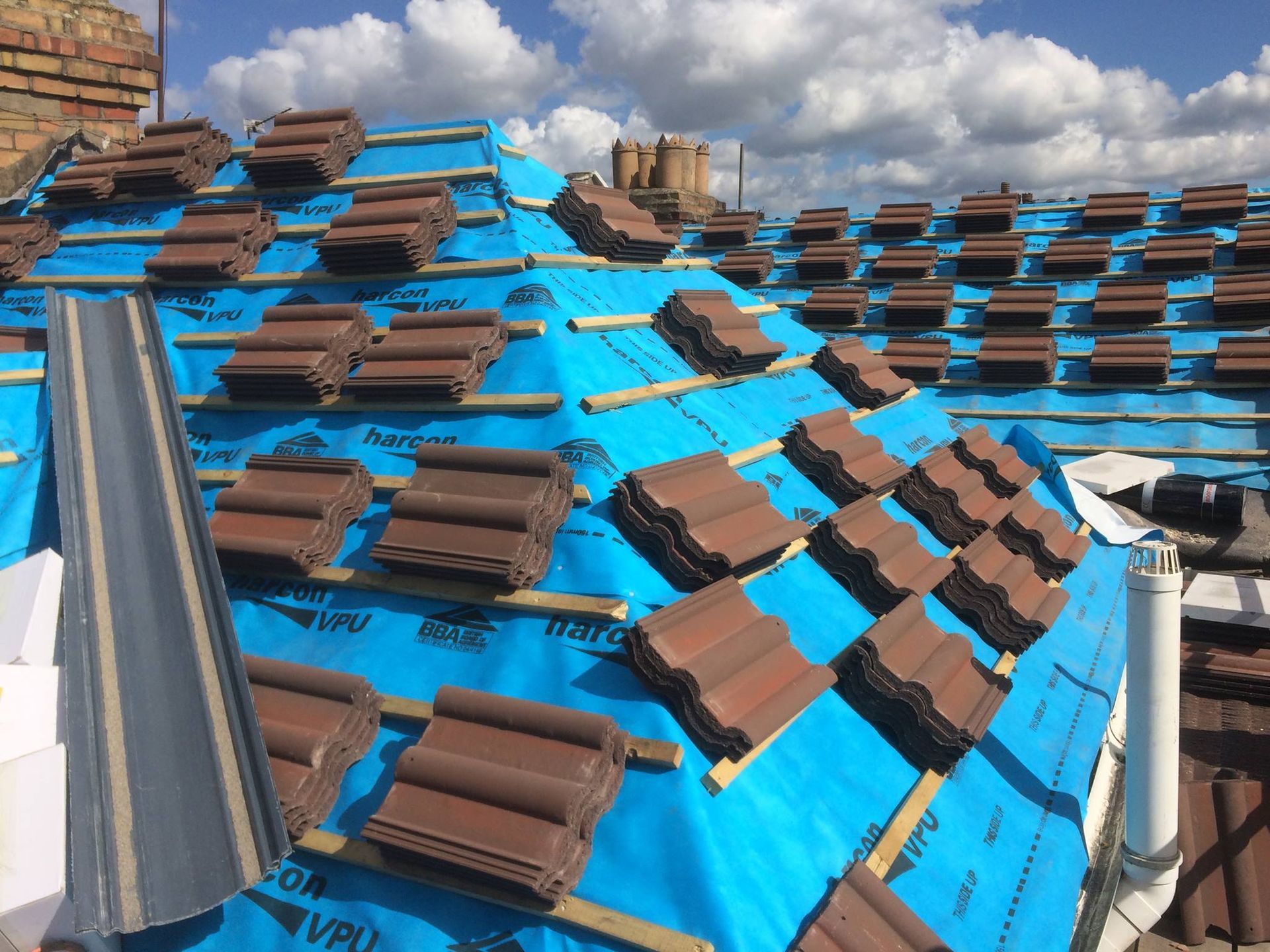
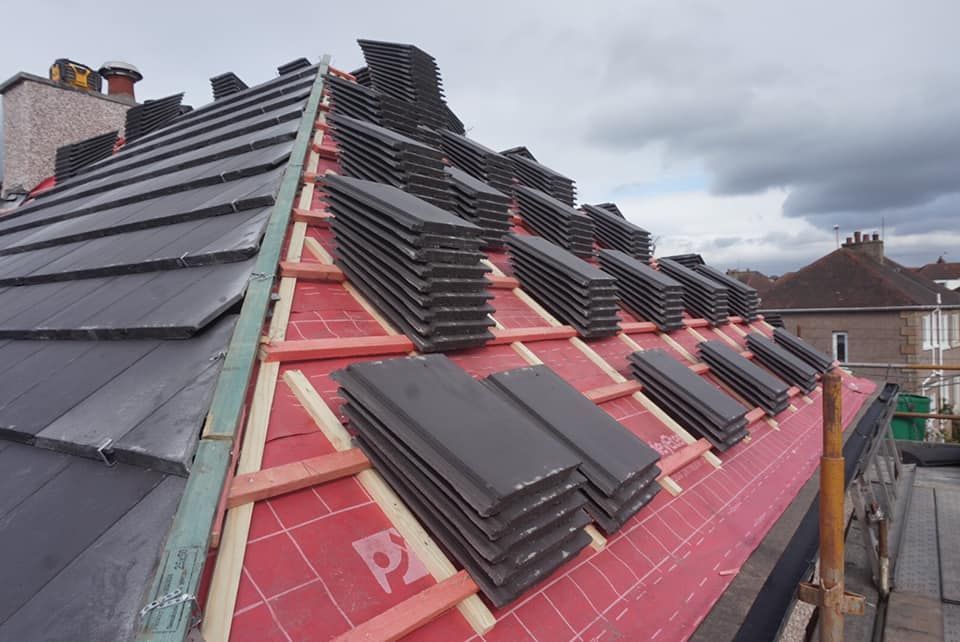
Not all concrete tiles are the same. The profile — the shape of the tile — affects how it looks, how it performs, and what roof pitch it suits. When we survey your Derby roof, we advise on the right profile for your property and budget.
Interlocking Concrete Tiles
The most common concrete tile you'll see on Derby houses. They lock together along the edges, creating a secure, weather-tight surface. Interlocking tiles suit roofs with a pitch as low as 30° — which covers most standard residential pitches across Derby.
Plain Concrete Tiles
Flat, rectangular tiles that give a traditional, fine appearance — similar to older clay plain tiles. They suit steeper pitches and period properties in Derby where a smaller, more intricate tile pattern is appropriate.
Double Roman and Profiled Tiles
Double Roman tiles have a bold double-curved profile, popular on 1970s and 1980s housing estates across Derby — including parts of Spondon, Alvaston, and Chaddesden. They handle water run-off efficiently and suit medium-to-low pitches.
Pantile
Pantiles have a distinctive S-shaped wave profile. Less common in Derby but found on some older properties and in parts of neighbouring Nottinghamshire. If your existing roof uses pantiles, we can match them.
If you're replacing an existing roof, matching the profile matters. We always aim to use
like-for-like tiles so the finished result looks consistent and the interlocks work correctly.
What Goes Under a Concrete Tile Roof and Why It Matters
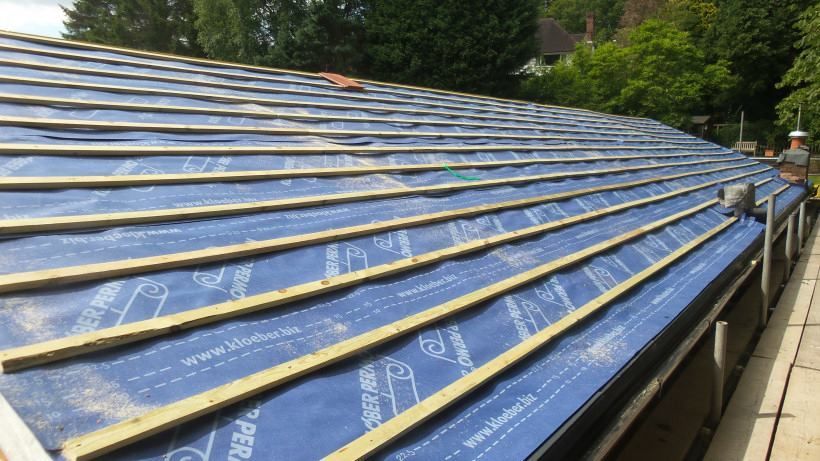
The tiles you can see are only part of the system. What sits beneath them does just as much protective work. A correctly built roof system is the difference between a roof that stays watertight for 40 years and one that develops problems within a decade.
Breathable Underlay
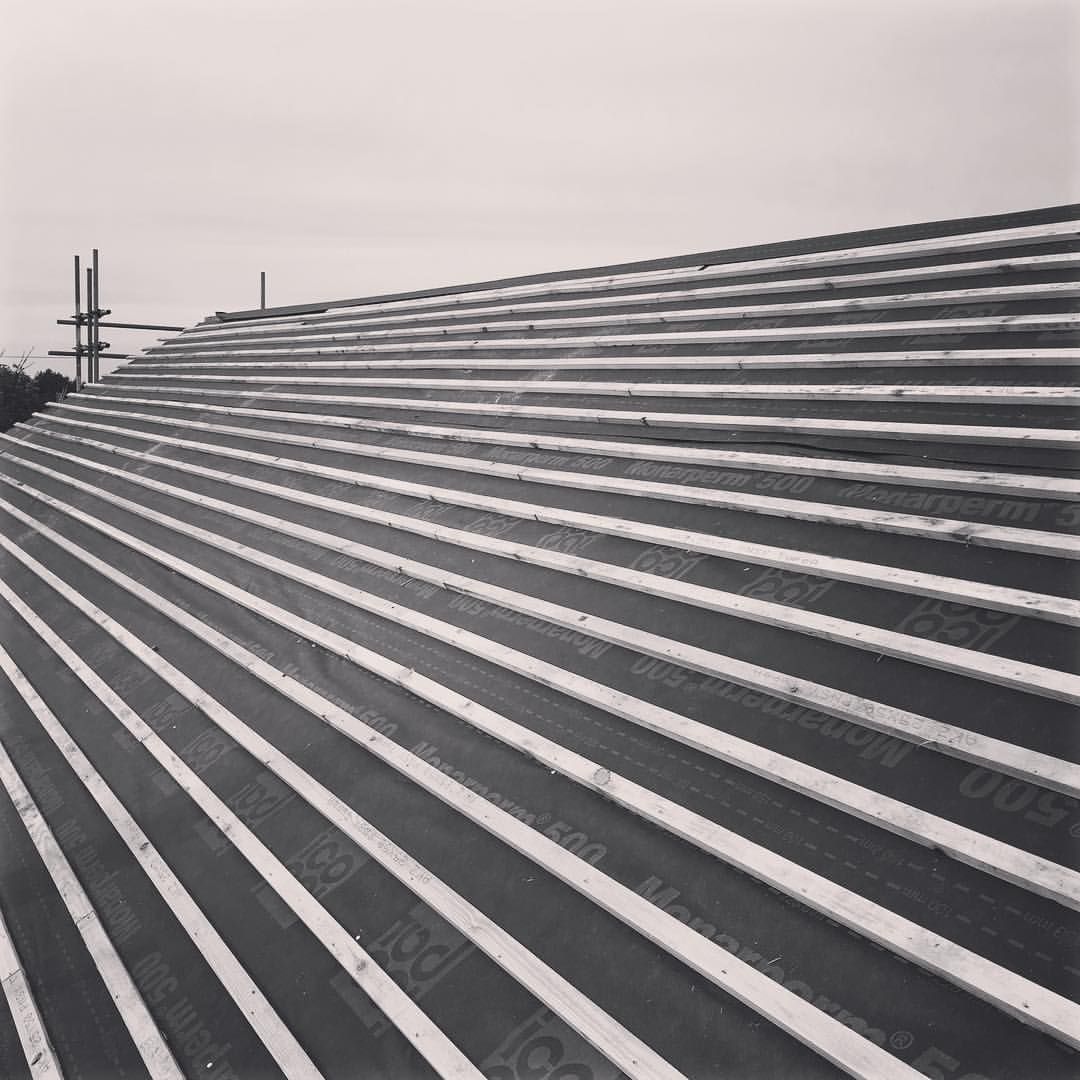
The underlay sits directly over the rafters, beneath the battens and tiles. It acts as a breathable membrane — stopping wind-driven rain from entering the roof space while allowing moisture vapour to escape outward. Modern breathable underlays significantly outperform old-style bitumen felt. If your Derby home has ageing felt underlay that's cracking or torn, a re-tile is the ideal time to replace it.
Treated Timber Battens
Timber battens are fixed horizontally across the rafters on top of the underlay. The tiles hook onto and nail into these battens. Correct batten spacing is critical — wrong spacing means the tile gauge is off, resulting in uneven rows or poor water run-off.
On older Derby properties — particularly Victorian and Edwardian terraces in Darley Abbey, Strutt's Park, and Littleover — original timber battens may be rotten or undersized. We inspect them during every survey and replace any that are compromised before the new tiles go on.
Eaves, Valleys, and Flashings
The eaves edge requires a proper eaves protector and correct gutter alignment. Roof valleys — where two slopes meet — need a valley trough or
lead valley lining to channel water safely. Flashings around chimneys, dormers, and abutments seal the joins between the roof and vertical surfaces.
These are the areas most likely to cause leaks on older Derby roofs — we check them all during every survey.
How We Fix Concrete Tiles to Your Roof — The Right Way
The fixing method matters as much as the tile itself. Poorly fixed tiles come loose in high winds — a serious risk on exposed Derby rooftops. British Standard BS 5534 specifies how tiles must be mechanically fixed — and we work to that standard on every job.
Mechanical Fixing — Nails and Clips
Each concrete tile is secured to the battens using nails, clips, or both, depending on the tile type and the roof's wind exposure zone. Derby roofs face south-westerly prevailing winds across the Trent valley. We apply the correct fixing frequency for that exposure — not a minimum approach suited to sheltered sites in other areas.
Dry-Fix Ridge and Hip Systems
Ridge tiles cap the apex of the roof. Hip tiles run down the angles where two slopes meet. Traditionally, both were bedded in mortar. The problem: mortar cracks over time, especially in Derbyshire's temperature fluctuations. Loose ridge tiles are one of the most common roofing faults we attend to across Derby.
We use dry-fix mechanical ridge and hip systems wherever possible. These use engineered plastic components and fixings rather than mortar. They last longer, flex with the roof structure, and don't need re-pointing every few years.
Dry Verge Systems
The verge is the exposed edge of the roof at the gable end. Like ridges, verges are traditionally finished in mortar that eventually fails. We install dry verge systems that give a clean, maintenance-free finish to the roof edge — no cracking, no blow-off risk.
We also carry out
FREE drone roof surveys — giving us a complete view of your roof's condition before we quote, including sections that are difficult to see from ground level or scaffold.
How Long a Concrete Tile Roof Lasts in Derby — and What Affects It
How long do concrete roof tiles last in the UK?
Concrete roof tiles in the UK typically last between 30 and 60 years, depending on installation quality and maintenance. In Derby, Derbyshire's freeze-thaw winters can accelerate wear on tiles that are cracked or poorly bedded. Regular inspections and prompt repairs extend the roof's working life.
- Good underlay and roof ventilation slow tile deterioration
- Moss and lichen hold moisture — removing them early prevents tile damage
- Walking on tiles without roof boards causes hidden cracks that let water in
Many Derby homes — particularly on estates in Chaddesden, Spondon, Alvaston, and Normanton — were built between the 1950s and 1980s. The concrete tiles on those roofs are now approaching or beyond their original intended lifespan. If your roof tiles are original to the property, book a free survey with us to find out whether a repair or a full re-tile is the right call.
Colour fading is normal on older concrete tiles and doesn't affect performance. What does signal a problem:
cracked or slipped tiles, broken ridge mortar, lifted hips, or water staining in the loft space. These need attention before they lead to structural damage inside the roof.
Concrete Tiles vs Slate — What Derby Homeowners Need to Know
We install both concrete tiles and natural slate — so the following is a straightforward comparison, not a sales pitch. The right choice depends on your property, budget, and in some cases, planning rules.
Cost
Concrete tiles are generally less expensive per square metre than natural slate. On a full re-tile, that difference in material cost can be significant. Labour rates are broadly similar for both.
Lifespan
Quality Welsh or Spanish natural slate can last 50 to 100+ years. A well-maintained concrete tile roof typically achieves 30 to 60 years. If you plan to stay in your Derby home long-term and budget allows, slate is worth considering.
Appearance
Modern concrete tiles come in finishes that closely replicate clay and slate. For most contemporary Derby properties, the visual difference is minimal. On period homes and conservation area properties, the distinction can matter more.
Weight and Roof Structure
Concrete tiles are heavier than clay alternatives. Before a re-tile, we check that the roof structure — rafters, purlins, and wall plate — can support the chosen tile weight. This is a standard part of our survey process.
Planning Rules in Derby
Properties in Derby Conservation Areas — including parts of Friargate, the Cathedral Quarter, Strutt's Park, and Darley Abbey — may need to match the original roof material when re-tiling. Derby City Council planning guidance covers this. We can check your address and advise before you commit to a tile choice.
Maintenance
Both materials are low maintenance. Concrete tiles may benefit from a
soft-wash clean every 10 to 15 years to clear moss and algae. Natural slate is largely self-maintaining but can still be damaged if walked on without boards.
Keeping Your Concrete Tile Roof in Good Shape
A correctly fitted concrete tile roof needs very little attention year to year. A few straightforward habits will keep it performing well and catch small issues before they become expensive problems.
Annual Visual Check — Every Autumn
Before Derbyshire's winter sets in, walk around your property and look up at the roof from ground level. Look for tiles that appear raised, misaligned, or missing, and for ridge or hip mortar that looks cracked or displaced.
Clear Valleys and Gutters Before Winter
Autumn leaf fall — common across tree-lined streets in Allestree, Darley Abbey, Mickleover, and Littleover — blocks valleys and gutters. A blocked valley backs water up under the tiles. Clear them in late autumn, before the heavy November and December rainfall arrives.
Moss and Algae Treatment
Moss holds moisture against tile surfaces, accelerating wear. We offer a soft-wash roof cleaning service using low-pressure, biodegradable solution — effective on moss and algae without the tile surface damage caused by high-pressure washing.
What to Do When a Tile Breaks
A broken or cracked concrete tile should be replaced, not patched. Adhesive repairs rarely hold, and an unsealed crack lets water into the roof space. We carry out single-tile and multi-tile replacements across Derby — often without needing to re-tile the full roof.
Where colour matching is difficult on older roofs, we take matching tiles from the rear slope and install new tiles at the back — keeping any minor variation out of sight from the street.
Never Walk on Concrete Tiles Without Roof Boards
Direct foot pressure cracks concrete tiles. Any professional Derby roofer will use
roof boards to distribute weight across the surface. If a roofer arrives and steps straight onto your tiles, that's a red flag.
Signs Your Concrete Tile Roof Needs Attention in Derby
Not sure whether your roof needs a repair, a partial re-tile, or a full replacement? Here are the most common warning signs we see on Derby properties:
- Cracked, broken, or slipped tiles — especially visible after strong winds or a hard frost
- Missing tiles leaving bare underlay or roofing felt exposed to the elements
- Damp patches or water staining on ceilings inside the property
- Daylight visible through the roof from inside the loft space
- Crumbling or displaced mortar at the ridge, hips, or verge
- Heavy moss or algae growth holding moisture against the tile surface
- Gutters regularly full of tile grit or debris — a sign tiles are breaking down
- A roof that's original to a 1950s–1980s Derby property and has never been replaced
Call us on 01332-529704 for a free drone survey and honest assessment. We won't recommend a full re-tile if a targeted repair will do the job.
Our Concrete Roof Tiling Process in Derby
We keep the process straightforward from first contact through to completion:
- Free survey — we inspect your roof, using our drone where needed, and assess the tiles, underlay, battens, and all junctions
- Written quote — clear, itemised, no hidden costs
- Material selection — we advise on the right tile profile and finish for your Derby property
- Installation — underlay, battens, and tiles fitted to BS 5534 standard; dry-fix ridge and verge systems installed
- Completion check — we inspect from the scaffold and ground, clear waste, and confirm the roof is weather-tight
Guarantee — all our installation work is fully guaranteed; warranties available up to 20 years
How Much Does Concrete Roof Tiling Cost in Derby?
The cost of concrete roof tiling in Derby depends on several factors:
- Roof size and pitch — larger or steeper roofs take more time and materials
- Condition of the existing underlay and battens — replacements add to the overall cost
- Tile profile chosen — interlocking, plain, or profiled tiles vary in price
- Access requirements — scaffolding is usually needed for a full re-tile
- Extent of work — a single tile replacement costs far less than a full re-tile
As a general guide, a full concrete tile re-tile on a typical Derby semi-detached usually falls within the £4,000 to £9,000 range including VAT, depending on the factors above.
The only way to get an accurate figure for your Derby property is a free survey. Call us on 01332-529704 and we'll come out, assess your roof, and give you a clear written quote — no obligation.
Why Choose Derby Roofers for Concrete Roof Tiling?
Choosing the right roofing contractor matters. Here's why Derby homeowners trust us with their roofs:
- Over 20 years' experience fitting concrete tile roofs across Derby and Derbyshire
- Free drone roof survey — we assess your full roof before quoting, at no cost to you
- No unnecessary work — we'll recommend a repair if that's all your roof needs
- BS 5534 compliant installation — every job meets the British Standard for mechanical tile fixing
- Dry-fix ridge and verge systems fitted as standard — no crumbling mortar problems later
- Fully guaranteed workmanship — warranties available up to 20 years
- Local team, local knowledge — we know Derby's housing stock, weather, and planning rules
- We answer the phone — and always call back
Call 01332-529704 or visit derbyroofers.co.uk to book your free survey today.
Frequently Asked Questions About Concrete Roof Tiling in Derby
Are concrete roof tiles good for homes in Derby?
Yes — concrete tiles are well suited to Derby properties and Derbyshire's climate. They handle rain, frost, and wind effectively, and individual tiles can be replaced without a full re-tile if damage is localised.
What are the disadvantages of concrete roof tiles?
The main drawbacks are weight (concrete tiles are heavier than clay, so the roof structure must be adequate), and colour fading over time — though this is cosmetic and doesn't affect performance. High-quality concrete tiles now largely overcome the fading issue.
What are concrete roof tiles called?
Concrete roof tiles are commonly referred to as concrete interlocking tiles, plain concrete tiles, or profiled concrete tiles — depending on their shape. Specific profiles include Double Roman, pantile, and flat/plain tile.
How are concrete roof tiles attached?
Concrete tiles are mechanically fixed to timber battens using nails and/or clips, in line with British Standard BS 5534. Ridge and hip tiles are secured using dry-fix mechanical systems rather than mortar where possible.
Can a roofer walk on my concrete tile roof in Derby?
Yes — but only with roof boards spread across the tiles to distribute weight. Walking directly on concrete tiles causes cracking. Every professional Derby roofer should use boards as standard.
What goes under a concrete tile roof?
A modern concrete tile roof system includes: a breathable membrane underlay over the rafters, treated timber battens, mechanical tile fixings, dry-fix ridge and verge systems, and lead or valley trough systems at internal angles.
Do I need planning permission to replace concrete roof tiles in Derby?
Like-for-like replacement on a standard residential property is generally permitted development — no planning permission needed. If your home is in a Conservation Area or is listed, different rules apply. We can check your address and advise.
What time of year is best to book concrete roof tiling in Derby?
Spring and early summer give the best conditions. Derby roofers are busiest May through September — booking a survey in late winter or early spring gives you the best choice of summer slots. We also work through autumn and milder winter periods where conditions allow.
Are concrete roof tiles cheaper than slate for a Derby house?
Yes — concrete tiles are generally less expensive per square metre than natural slate. On a full re-tile of an average Derby semi, the material cost difference can be meaningful. We're happy to quote both options so you can make an informed decision.
How long does it take to re-tile a roof in Derby?
A full concrete tile re-tile on a typical Derby semi-detached takes 3 to 5 days, including stripping, underlay, battens, and tiling. Larger or more complex roofs take longer. We'll give you a clear timeline in your written quote.
Areas We Cover for Concrete Roof Tiling in Derby and Derbyshire
We are a locally based Derby roofing team. We carry out concrete roof tiling across Derby and throughout Derbyshire. Here are the main towns and postcodes we cover regularly:
- Derby City Centre & surrounding suburbs (DE1, DE21, DE22, DE23, DE24)
- Allestree, Darley Abbey, Markeaton (DE22)
- Mickleover, Littleover, Sunnyhill (DE3, DE23)
- Chaddesden, Spondon, Alvaston, Borrowash (DE21, DE72)
- Normanton, Pear Tree, Osmaston (DE23, DE24)
- Breadsall, Oakwood, Mackworth (DE21, DE22)
- Long Eaton (NG10)
- Belper (DE56)
- Ilkeston (DE7)
- Ripley (DE5)
- Heanor (DE75)
- Swadlincote (DE11)
- Burton on Trent (DE13, DE14)
- Matlock (DE4)
- Buxton (SK17)
- Chesterfield (S40, S41)
- Nottingham selected areas (NG1–NG16)
- Ashbourne (DE6)
- Alfreton (DE55)
Not sure if we cover your area? Call us on 01332-529704 and we'll confirm straight away.
Ready to Book Your Free Concrete Roof Tiling Survey in Derby?
Whether you need a full re-tile, a repair to damaged concrete tiles, or you're simply not sure what your roof needs — we're here to give you a straight answer. No pressure. No upselling. Just honest advice from a Derby roofing team that has been working in this area for over 20 years.
Here's what happens when you get in touch:
- We'll arrange a free roof survey — on the ground or using our drone where needed
- You'll receive a clear, itemised written quote with no hidden costs
- We'll advise on the right tile profile for your property and explain your options plainly
- All work is fully guaranteed — warranties available up to 20 years
Call us today on 01332-529704 — we answer the phone and always call back.
Or complete our online form at derbyroofers.co.uk to request your free survey. Derby Roofers — your local roofing specialists, covering Derby and Derbyshire.