Derby Roofers
A Useful Guide To Roofing Project Timelines in Derby
Call us now book a FREE consultation and FREE Quotation
FREE Drone Survey Available
Call: 01332-529704
Ultimate Guide To Roofing Project Timelines in Derby — How Long Will Your Roofing Service Take?
"How long will my home be a construction site?"
It is the first question most Derby homeowners ask us — and it deserves a straight, honest answer.
No two roofing jobs take exactly the same time. A garage roof in Mickleover and a full slate re-roof on a Victorian terrace in Normanton are completely different projects. What affects your timeline most is the service type, the material chosen, what we find when we open the roof up, and — always — the Derbyshire weather.
There is one distinction most guides miss entirely. On-site working days are not the same as total calendar days. Scaffolding needs to go up before we start and come down after we finish. That typically adds one to two days on each side. Factor that in from the start, and you will not be caught off guard.
This guide covers every roofing service we carry out across Derby and Derbyshire, from a two-hour emergency call-out in Spondon to a six-week loft conversion dormer in Allestree. Use the quick-reference table below to find your service at a glance, then read the full section for the complete picture.
Quick-Reference Roofing Timeline Table — Derby & Derbyshire
Use this as your at-a-glance guide before reading the full sections below. All times shown are on-site working days only — scaffolding adds one to two days either side where required.
PITCHED ROOFING
Concrete or clay tile re-roof — 3 to 5 days
Natural slate re-roof — 5 to 8 days
New pitched roof, structural build — 1 to 2 weeks
Loft conversion or dormer construction — 3 to 6 weeks
Heritage or listed building re-roof — 2 to 4 weeks
Garage roof replacement — 1 to 2 days
Velux or roof window installation — 1 day per window
FLAT ROOFING
EPDM rubber flat roof — 1 to 2 days
GRP fibreglass flat roof — 2 to 3 days
Traditional felt or cold roof system — 1 to 2 days
Warm roof system (Part L compliant) — 2 to 3 days
ROOF REPAIRS & EMERGENCY WORK
Emergency roof repair and storm damage — 1 to 4 hours
Pitched roof tile or slate repair — 2 to 6 hours
Flat roof leak repair — 3 to 6 hours
Mortar ridge rebedding — 1 to 2 days
Dry ridge and dry verge upgrade — 1 day
GUTTERING, FASCIAS & SOFFITS
UPVC fascias, soffits and bargeboards — 1 to 2 days
Gutter replacement — 1 day
Cast iron gutter restoration or replacement — 2 to 4 days
Gutter repairs, box gutter lining and valley fixes — 4 to 8 hours
CHIMNEY SERVICES
Chimney repairs and rebuilding — 2 to 4 days
Chimney stack repointing — 1 to 2 days
Chimney stack removal above roofline — 1 to 2 days
Full chimney breast removal — 1 to 2 weeks
Chimney pot, cowl or bird guard fitting — 2 to 5 hours
Flue liner installation — 1 to 2 days
SURVEYS, MAINTENANCE & SPECIALIST WORK
Free drone roof survey — 45 minutes to 1.5 hours on-site
Roof cleaning, moss and algae removal — 1 to 2 days
Lead flashing and leadwork installation — 1 to 2 days
Solar panel roof preparation — 1 to 2 days
ADMIN & BEHIND THE SCENES
Written quote delivered after survey — within 24 to 48 hours
Insurance storm damage assessment process — 1 to 3 weeks
Building Regulation compliance and warranty paperwork — within 2 weeks of completion
Main Residential Roofing & Re-Roofing Timelines in Derby
New Roof Installation & Re-Roofing — Timelines by Material
Replacing a roof in Derby is not a same-day job. The material you choose has the single biggest impact on how long the work takes.
Concrete & Clay Roof Tiling — 3 to 5 days
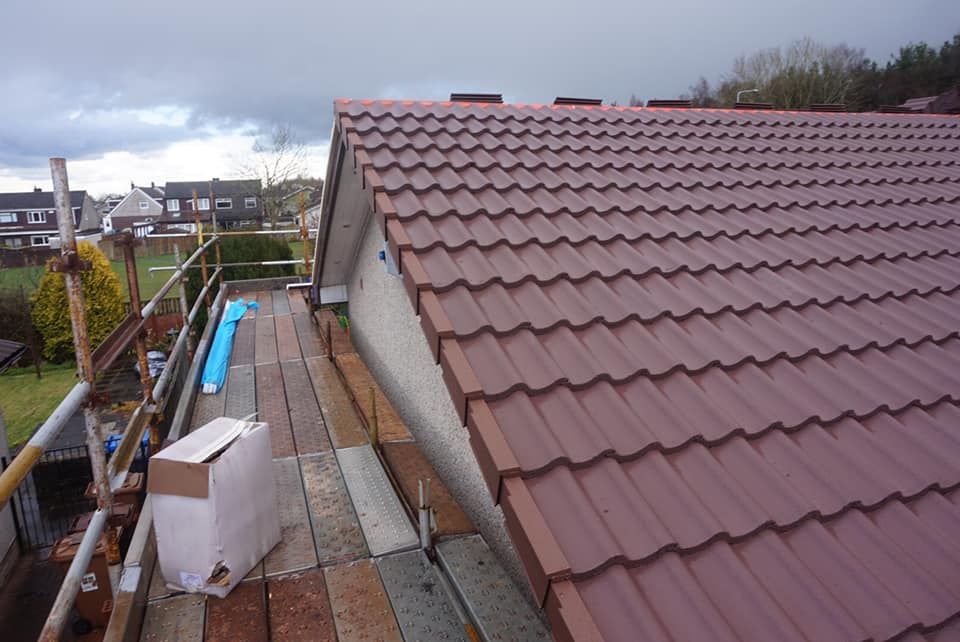
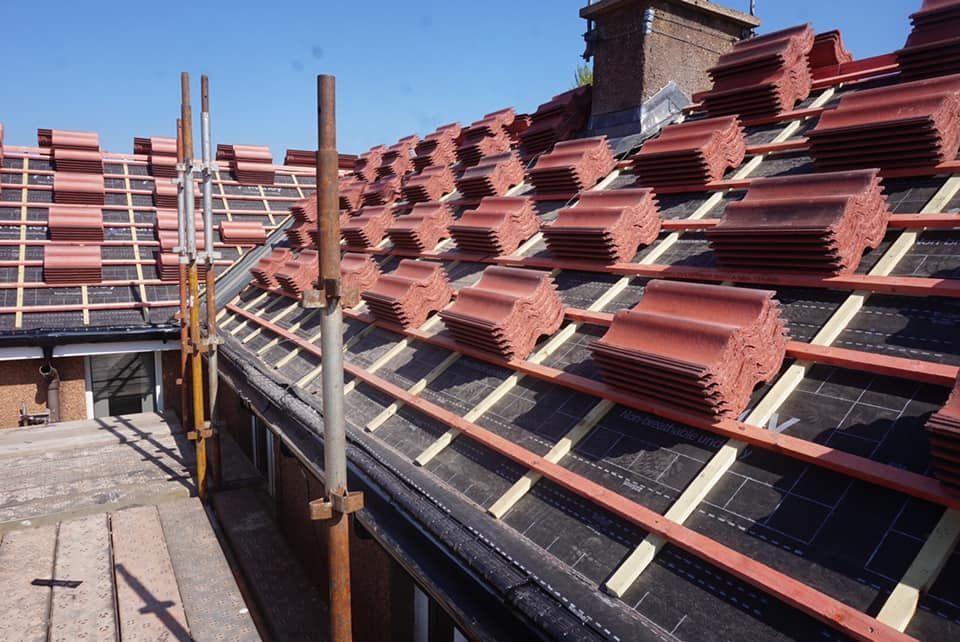
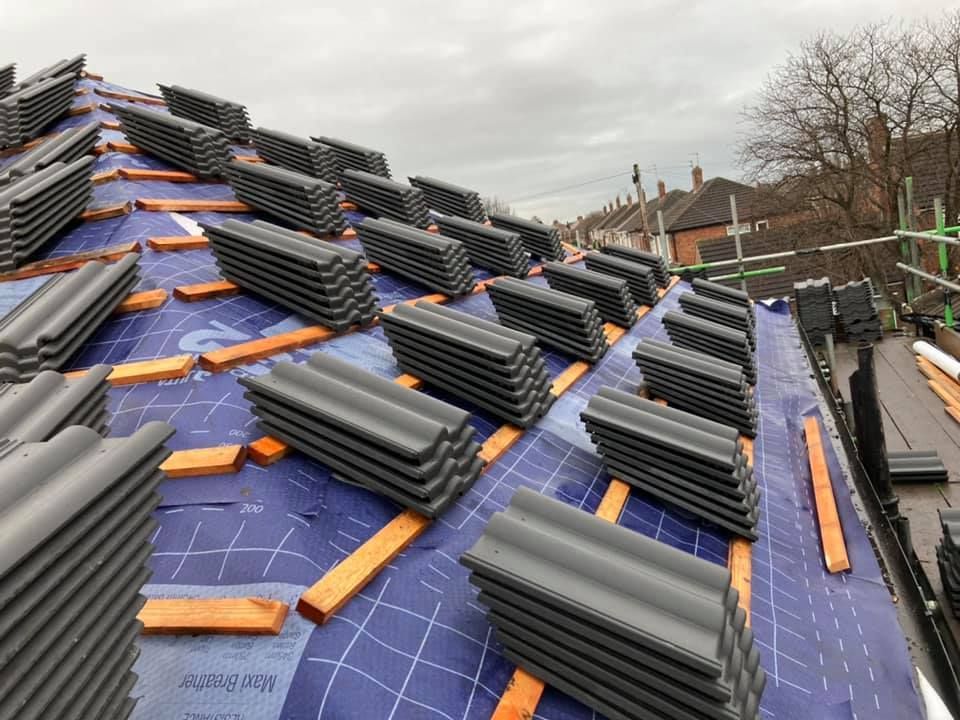
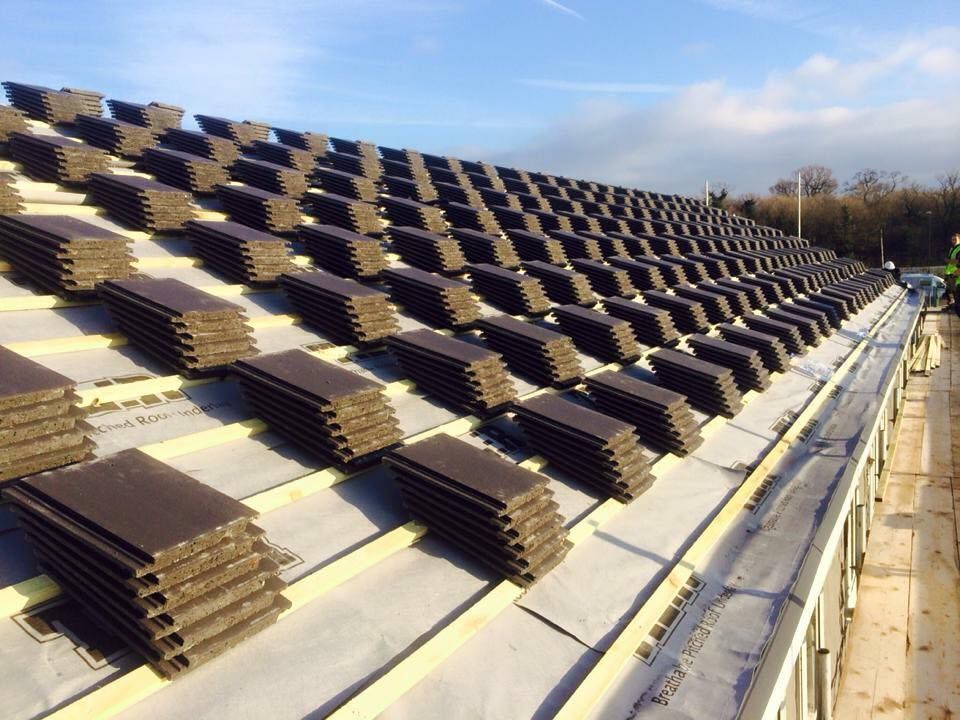
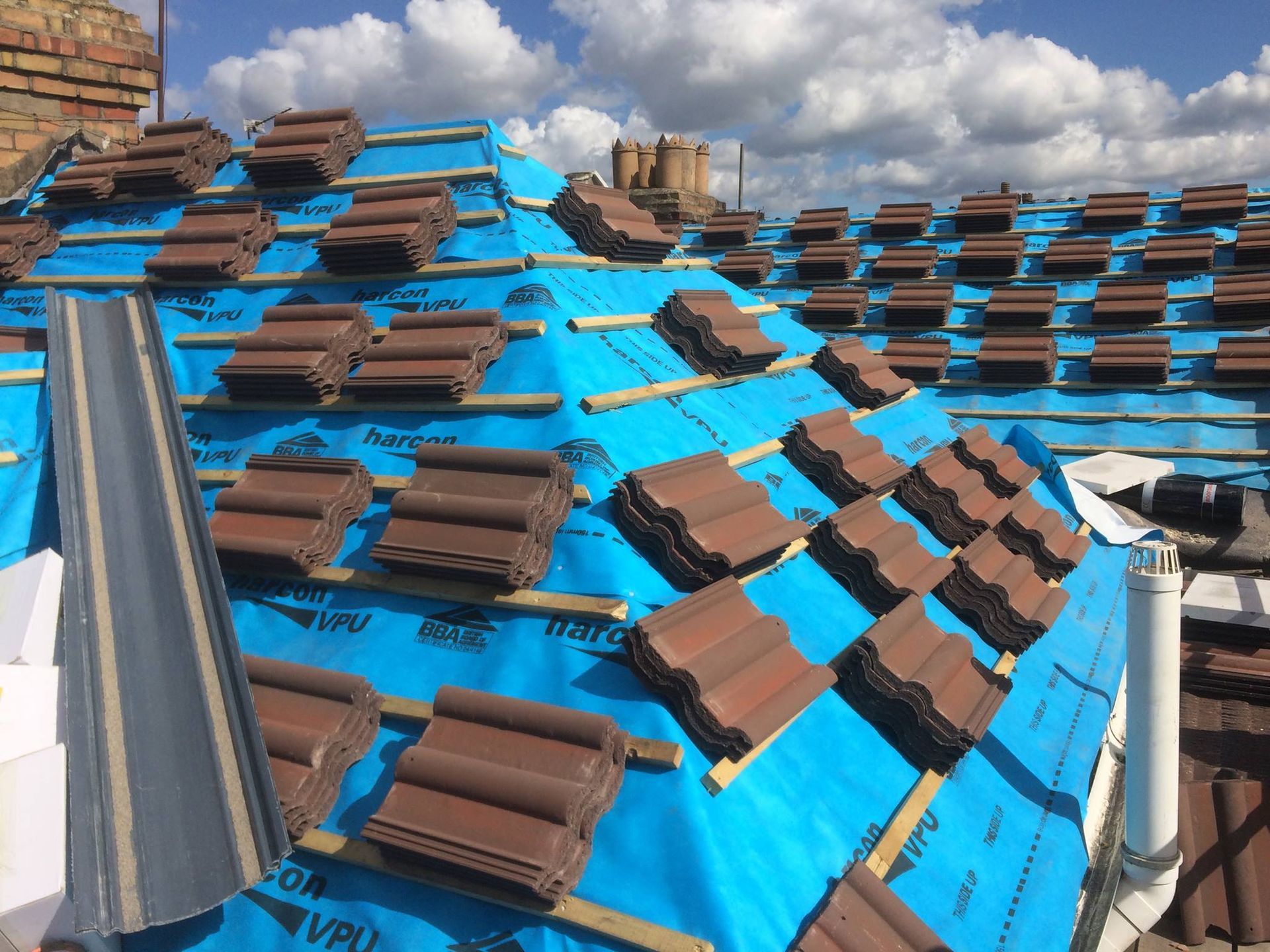
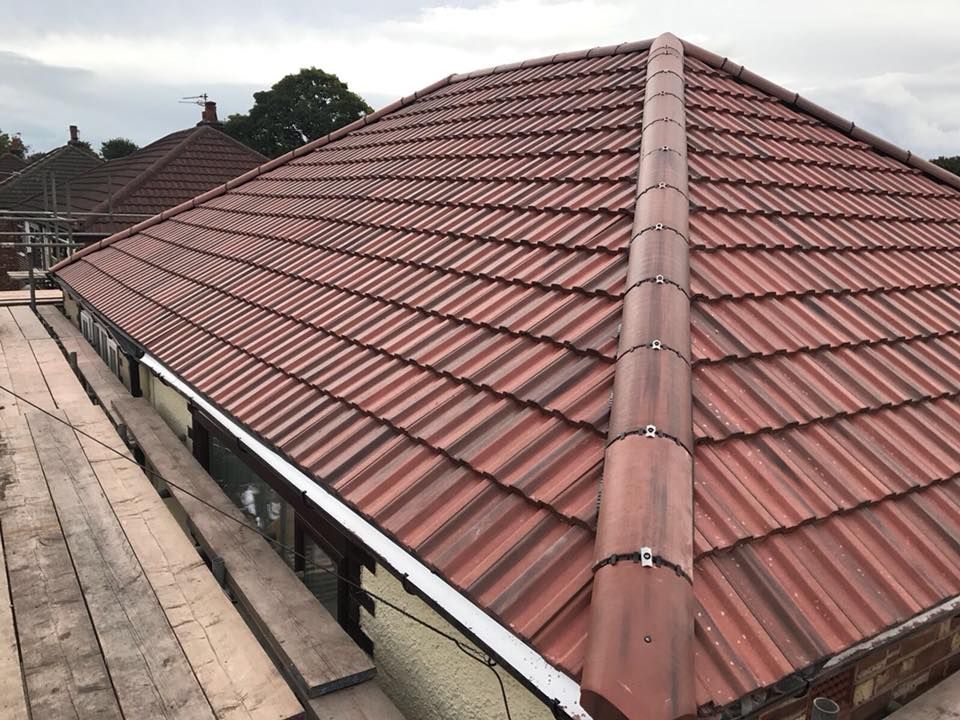
Concrete and clay tiles are the most common roofing material across Derby's housing stock. From post-war semis in Chaddesden to newer builds in Littleover, this is what we replace most often. A standard Derby semi-detached takes three to four days. A larger detached property with hips, valleys, or a chimney stack will sit closer to five. Stripping the old material, checking battens and felt, and re-tiling at proper gauge all take time when done correctly.
Natural Slate Roofs — 5 to 8 days
Slate is the premium option and the most labour-intensive to install. Every slate must be sorted by thickness, holed, and hand-nailed individually. Older properties in areas like Darley Abbey and parts of Derby city centre often retain original natural slate. Matching the size and colour profile matters on these roofs. Five days is realistic for a straightforward terraced property. A larger roof with dormers, intricate valley work, or a complex layout will push toward eight days.
Pitched Roof Construction (New Build or Structural) — 1 to 2 weeks
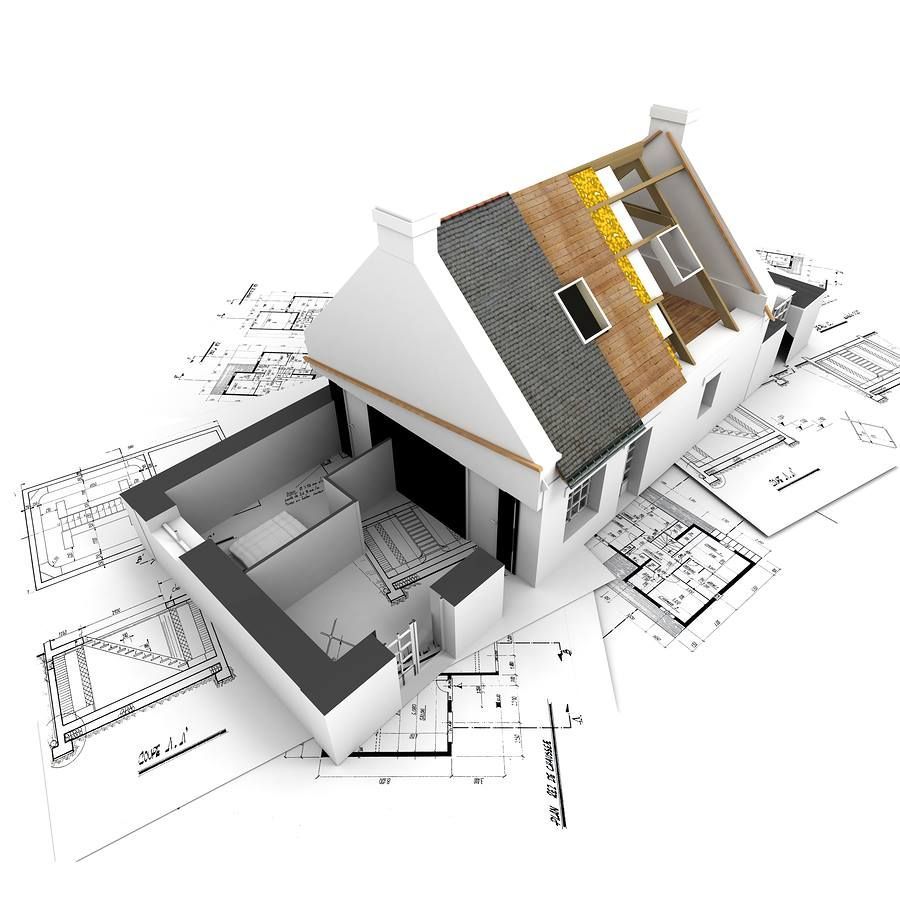
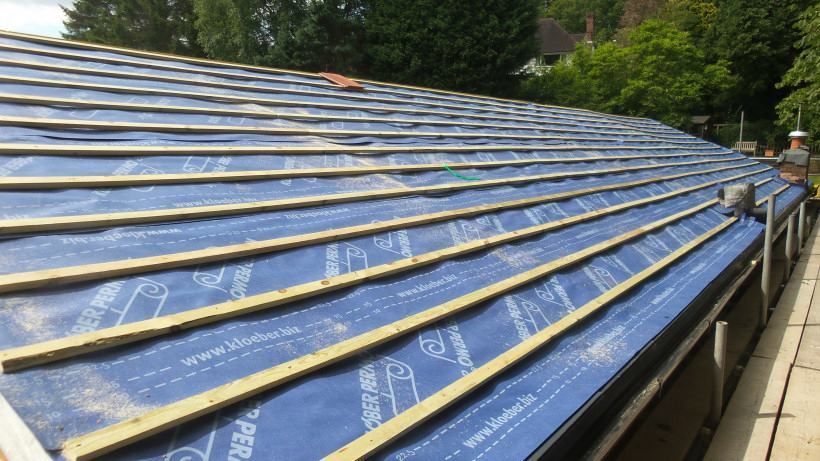
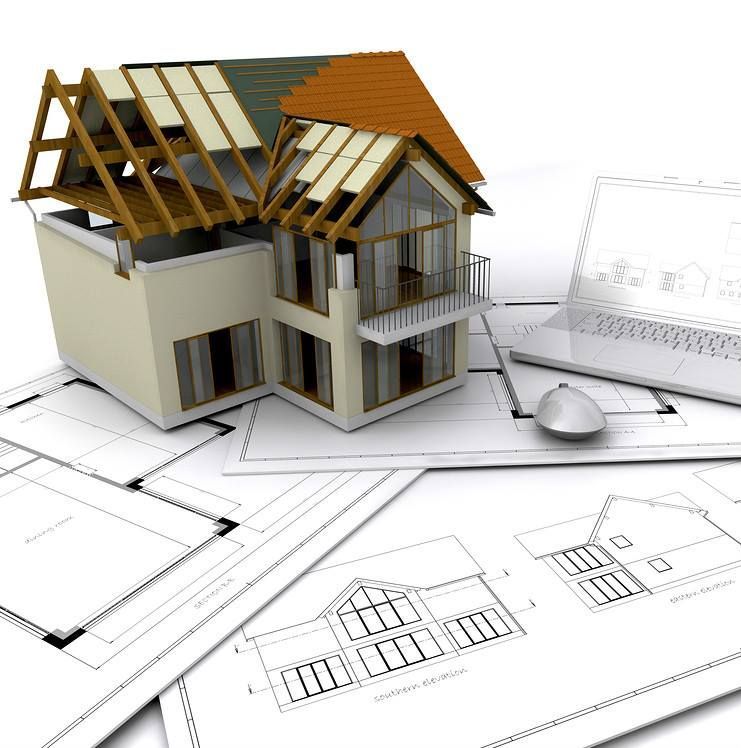
A structural pitched roof built from scratch on a new extension, loft conversion, or new-build property is a different scope entirely. We are building a timber frame, fitting breathable underlay, installing battens, and tiling from the ground up — not just re-covering. One week is realistic for a straightforward structure. Two weeks is typical where the build includes hips, multiple pitches, or integration with an existing roof.
Specialist & Structural Residential Roofing Work
Loft Conversion & Dormer Construction — 3 to 6 weeks
A dormer or full loft conversion involves structural alterations that go well beyond roofing. Steel beams are required in most cases. The roof opening must be carefully managed and kept weathertight throughout. We work alongside structural engineers and Derby City Council building control at every stage. Three weeks is realistic for a simple rear dormer. A full hip-to-gable conversion will run to six weeks.
Heritage & Listed Building Roofing — 2 to 4 weeks
Properties in Derby's conservation areas and listed buildings carry specific obligations. The pace of work is slower — and deliberately so. Materials must match the original as closely as possible. For properties in parts of Derby city centre or across Derbyshire's Peak District villages, this often means sourcing local Derbyshire stone slate or original clay plain tiles. Listed building consent must be in place before we start. Two weeks covers most straightforward listed property re-roofs. Four weeks applies where material sourcing, scaffolding access, and planning conditions all need managing together.
Garage Roof Replacement — 1 to 2 days
A standard single or double garage roof takes one day in most cases. Where the existing deck needs boarding or the structure has deteriorated under the old felt, a second day covers the additional preparation. We strip the old material, inspect and repair the deck, and install a new flat roofing system — most commonly EPDM rubber or GRP fibreglass.
Velux & Roof Window Installation — 1 day per window
Each Velux or rooflight installation is treated as a half-day to full-day job. The surrounding tile work needs careful cutting and re-bedding. The internal structural trimming — repositioning rafters and fitting the lining — takes additional time to do cleanly. One day per window is the right expectation.
Flat Roofing Systems — Installation & Upgrade Timelines in Derby
Flat roofs are standard across Derby — on house extensions in Allestree, bay windows on Victorian terraces in Normanton, garages across Mickleover, and commercial units throughout Pride Park and Kingsway. The timeline for any flat roof job depends on two things: the insulation system and the membrane material.
Warm Roof vs. Cold Roof — What Is the Difference and How Long Does Each Take?
Cold Roof Systems — 1 to 2 days
A cold roof keeps the insulation below the deck, packed between the joists. It is the traditional method and still suited to many Derby properties where the structural build-up cannot accommodate additional height. Installation is relatively fast — one day for a straightforward surface, two days where the deck needs attention or the area is large.
Warm Roof Systems — 2 to 3 days
A warm roof places rigid insulation boards above the deck on top of the structural surface. This is the current best-practice system for flat roofs in the UK and is fully compliant with Part L of the Building Regulations. The additional build-up — boarding, insulation, edge detailing, and membrane — takes more time to execute properly. Two days covers most domestic extensions. Three days applies to larger areas, or where the existing deck needs repair before the new system goes on.
Flat Roof Timelines by Material — EPDM, GRP & Felt
EPDM Rubber Roofing — 1 to 2 days
EPDM is one of the fastest flat roof systems to install. We use large single-ply sheets that often cover an entire roof surface in one piece, significantly reducing joints and seams. One day is realistic for most garage and extension roofs in Derby. The second day comes into play on larger surfaces or where edge trims and upstand detailing around parapets, pipes, or chimney bases require more time. EPDM carries an expected lifespan of 25–50 years with correct installation.
GRP Fibreglass Roofing — 2 to 3 days
GRP requires completely dry conditions. The laminate and topcoat are applied as liquid resin — they will not cure properly in damp or cold weather. We will not rush this on a wet Derby afternoon. Day one covers deck preparation and the base laminate. Day two handles the topcoat and trims. A third day applies on larger roofs or where a second coat is required to achieve the correct thickness specification.
Traditional Felt Roofing — 1 to 2 days
Torch-on bitumen felt remains a practical option for garages and budget-conscious extensions. It goes down faster than GRP and does not have the same weather sensitivity. One day covers the majority of jobs. Two days applies where the build-up requires multiple layers or where we are working on a larger surface area.
Roof Repairs & Emergency Call-Out Timelines — Derby & Derbyshire
Emergency Roof Repairs & Storm Damage — 1 to 4 Hours
When Derbyshire weather causes damage — high winds stripping ridge tiles, storm debris breaking slates, or a sudden leak after heavy rain — the immediate priority is making the structure safe. Our emergency roof repair service covers Derby, Long Eaton, Ilkeston, Belper, and across Derbyshire. On arrival, we triage the damage, apply heavy-duty tarpaulins to keep the interior dry, and carry out whatever immediate repairs are safe to complete on the day.
The one-to-four-hour window is the on-site response time — not a full repair timeline. Where damage is extensive, a follow-up visit with scaffolding is booked as quickly as possible.
Pitched Roof & Tile Repairs — 2 to 6 Hours
Replacing broken, cracked, or slipped tiles and slates is the most common repair we carry out across Derby. A handful of missing concrete tiles in Spondon or a slipped slate on a terrace in Normanton typically takes two to three hours. That includes safe access, removing the damaged units, checking the battens and felt beneath, and fitting replacement tiles to a proper bond.
Larger repairs — a section of valley, a run of ridge tiles, or storm damage across multiple roof planes — will sit closer to six hours, and may require a second day if scaffolding is needed for safe access.
Flat Roof Leak Repair — 3 to 6 Hours
Flat roof leaks are rarely where they appear on the ceiling below. Water tracks under the membrane before finding a way through. Our first job is locating the actual entry point — which can take time on an older felt roof or where a membrane has multiple patched areas. Once located, we dry the area, apply the appropriate repair — patch, re-weld, or re-seal depending on the system — and check the surrounding membrane for any secondary weak points.
Three hours covers a straightforward EPDM puncture or a small GRP crack. Six hours is more typical for an older felt roof where the source took time to trace.
Ridge Tile Repairs, Rebedding & Upgrades
Traditional Mortar Rebedding — 1 to 2 days
Repointing and rebedding ridge tiles in mortar is a weather-dependent job. The mortar needs dry conditions to set correctly. One day covers the physical work on a standard Derby semi-detached or terraced property. The second day allows for curing checks and pointing up any areas that have moved as the mortar stiffened.
Upgrading to Dry Verge & Dry Ridge Systems — 1 day
Dry ridge and dry verge systems are mechanically fixed — no mortar required. This eliminates the weather-dependent curing phase entirely. For most Derby properties, we complete a full dry ridge and dry verge upgrade in a single day. The system also improves roof ventilation, which is particularly beneficial on Derby properties where loft condensation is a recurring issue.
Guttering, Fascias, Soffits & Roofline Timelines — Derby
The roofline is often the most neglected part of a Derby property. Rotting timber fascias, cracked soffits, and sagging gutters are common on properties built between the 1950s and 1990s across areas like Alvaston, Borrowash, and Breadsall. Getting this work done properly takes less time than most homeowners expect.
UPVC Fascias, Soffits & Bargeboards — 1 to 2 Days
A full roofline replacement — removing old timber fascias, soffits, and bargeboards and fitting new UPVC — takes one to two days on a standard Derby semi-detached or terraced property. One day covers most straightforward terraced properties. A detached house with a more complex roofline, multiple gable ends, or a porch and garage to match will take two days. We always check the condition of rafter feet and soffit ventilation during this work. If rafter ends are rotted, repairs are carried out before the new boards go on.
Gutter Replacement & Installation — 1 Day
Replacing a standard residential plastic gutter system takes one day in the vast majority of cases. This includes removing old gutters and downpipes, checking the fascia condition, and fitting the new system with correct falls. We install standard UPVC, seamless aluminium, and zinc systems across Derby. Seamless aluminium is formed on-site to the exact length of each run, eliminating joints and reducing the risk of future leaks.
Cast Iron Gutter Restoration & Replacement — 2 to 4 Days
Period properties in Derby's conservation areas often have original cast iron guttering. Cast iron is heavy to handle safely, requires careful jointing, and must be primed and painted to prevent corrosion. Restoration takes two days. A full cast iron replacement, including new sections, union pieces, and downpipes, sits at three to four days depending on run length and access.
Gutter Repairs, Box Gutter Lining & Valley Fixes — 4 to 8 Hours
Clearing a blocked gutter, sealing a leaking joint, or fitting a gutter guard takes one to four hours. More involved work — lining a box gutter, re-laying a valley that is holding water, or replacing a section of downpipe — runs to four to eight hours. Box gutters need careful preparation and primer application before the lining goes in. We always check the outlet and drainage fall at the same time.
Chimney Services & Structural Chimney Work — Derby
Chimneys are the most exposed element on any Derby property. The freeze-thaw cycles that hit Derbyshire from October through to March accelerate mortar failure and brick spalling faster than most homeowners realise. Catching chimney problems early keeps the cost and the timeline manageable.
Chimney Repairs & Rebuilding — 2 to 4 Days
A chimney rebuild — dismantling deteriorated brickwork and rebuilding from below the roofline — requires scaffolding and careful handling. Day one covers scaffolding setup and initial strip-down. Days two and three cover the rebuild. The final day is reserved for pointing, lead flashing re-dressing, and making the surrounding tiles good. A straightforward chimney stack on a standard Derby semi sits at two to three days. A larger or more severely deteriorated chimney, or one requiring full lead soaker replacement, will reach four days.
Chimney Stack Repair & Repointing — 1 to 2 Days
Repointing a chimney stack — grinding out failed mortar joints and applying a fresh weather-resistant mix — is a one-day job in most cases. We use a hydraulic lime mortar mix appropriate to the age and brick type of the property. This is particularly relevant for older Derby properties where a hard cement repoint would cause more damage over time. Two days applies where the stack is tall, heavily weathered, or where the flashing requires re-dressing at the same time.
Chimney Removal — Stack vs. Full Breast
Stack Removal (Above Roofline) — 1 to 2 Days
Removing a chimney stack above the roofline is a commonly requested job on Derby terraces and semis where the fireplace is no longer in use. The stack is carefully dismantled, the roof opening is boarded and felted, and matching tiles are cut and laid to close the gap cleanly. Two days applies where the existing tiles are a difficult match or where the roof structure around the opening needs additional support.
Full Chimney Breast Removal — 1 to 2 Weeks
A full chimney breast removal from ground floor to roof is a structural project requiring gallows brackets, steel padstones, and Building Regulations sign-off from Derby City Council. The structural work typically takes three to five days. Add time for Building Control inspections and the full project — including making good internally and closing the roof — sits at one to two weeks.
Chimney Ancillary Fittings — 2 to 5 Hours
Fitting a new chimney pot, installing a bird guard, fitting a cowl, or applying a weatherproofing cap takes two to five hours depending on access and the number of pots being worked on. We carry a full range of standard sizes and can source specialist pots for period properties where the original profile needs matching.
Flue Liner Installation — 1 to 2 Days
Installing a twin-wall flue liner for a wood-burning stove or multi-fuel stove is a one-to-two-day job. Day one covers liner installation, register plate fitting, and the flue terminal at the chimney top. Day two applies where the installation is more complex — a longer flue run, an offset configuration, or where the chimney condition requires preparation work before the liner goes in.
Roof Surveys, Cleaning, Leadwork & Maintenance Timelines
Free Drone Roof Surveys — 45 Minutes to 1.5 Hours On-Site
Our free drone roof surveys are the fastest and most accurate way to assess a roof in Derby without scaffolding or ladders. A CAA-qualified pilot flies a professional-grade drone over every surface — tiles, flashings, chimney, valleys, gutters, and ridge — capturing high-resolution photographs and video. You receive a written report with annotated photographs, plain-English findings, and a fully itemised quote if work is needed.
No scaffolding. No ladders. No guesswork.
We cover Derby, Belper, Ilkeston, Long Eaton, Ashbourne, Ripley, Matlock, Heanor, and throughout Derbyshire.
Roof Cleaning, Moss & Algae Removal — 1 to 2 Days
Moss, lichen, and algae growth is widespread on Derby roofs — particularly on north-facing slopes and properties surrounded by mature trees, which are common throughout areas like Allestree and Darley Abbey. Left untreated, moss growth:
- Traps moisture and accelerates tile deterioration
- Blocks gutters and downpipes, leading to water damage
- Reduces the thermal efficiency of your roof
- Cuts kerb appeal and can affect property value
We use a professional soft-wash system — a low-pressure, biodegradable cleaning solution that removes growth without damaging tiles or voiding manufacturer warranties. Day one covers the treatment application and initial clean. Where growth is heavy, a second day completes the rinse and applies a preventative biocide treatment. Results typically last up to two years.
Lead Work & Lead Flashing Installation — 1 to 2 Days
Lead flashing is the primary weatherproofing material around chimneys, dormers, bay windows, and skylights on Derby's pitched roofs. Failed leadwork is one of the most common causes of roof leaks we identify during drone surveys. Fitting new lead flashings — cutting, dressing, and fixing the lead to the correct profile and code — is skilled work.
- One day: standard chimney flash or dormer abutment
- Two days: valley leadwork, complex dormer arrangements, or multiple flashing points on the same property
Solar Panel Roof Preparation — 1 to 2 Days
Before solar panels are fitted to a Derby property, the roof structure must be assessed and — in many cases — reinforced. We check rafter sizing and spacing, install additional noggins where needed, and fix the mounting bracket rails to the correct structural points. Solar panels add significant load to a roof. Getting the structure right before the solar installer arrives avoids costly remedial work later.
The Admin & Behind-the-Scenes Project Timeline
The on-site work is only part of the overall project. Several stages sit either side of the physical roofing work — and understanding them helps you plan realistically.
Roof Surveys & Written Quotes — Delivered Within 24 to 48 Hours
After your free roof survey — drone or physical — we deliver a fully itemised written quote within 24 to 48 hours. Every line of work, every material, and every cost is listed clearly. You will never receive a vague verbal estimate from us.
Roof Insurance Claims & Storm Damage Assessments — 1 to 3 Weeks
Storm damage claims are common after the severe weather events that affect Derby and Derbyshire. The roofing work itself may take only a day or two. The insurance process takes longer. An adjuster must inspect the damage, approve the scope of work, and release funding before we can begin. This typically takes one to three weeks depending on your insurer. We support Derby homeowners throughout this process — providing drone survey evidence, detailed damage reports, and full photographic documentation to help speed up your claim.
Building Regulation Compliance & Warranties — Processed Within 2 Weeks of Completion
For projects that fall under Building Regulations — structural roof work, full chimney breast removal, warm roof insulation upgrades meeting Part L, and loft conversions — compliance paperwork is submitted and processed within two weeks of the job completing. We handle this on your behalf. All workmanship warranties are issued in writing at project completion.
Areas We Cover — Roofing Services Across Derby & Derbyshire
We carry out roofing work daily across Derby city and throughout Derbyshire. Below are the main areas we serve with their postcodes.
Derby City & Immediate Surroundings
- Derby City Centre — DE1
- Mickleover — DE3
- Allestree & Darley Abbey — DE22
- Littleover & Normanton — DE23
- Chaddesden & Spondon — DE21
- Alvaston & Chellaston — DE24
- Borrowash — DE72
- Breadsall & Oakwood — DE21
- Markeaton & Mackworth — DE22
- Willington & Findern — DE65
North & East Derbyshire
- Heanor — DE75
- Ripley — DE5
- Alfreton — DE55
- Belper — DE56
- Matlock — DE4
- Bakewell — DE45
- Chesterfield — S40
- Buxton — SK17
- Ashbourne — DE6
South Derbyshire & Nottinghamshire
- Long Eaton — NG10
- Ilkeston — DE7
- Swadlincote — DE11
- Burton on Trent — DE13
- Nottingham — NG postcodes
Not sure if we cover your area? Call us on 01332-529704 and we will confirm straight away.
Get Your Exact Roofing Timeline — Book a Free Drone Survey Today
Every timeline in this guide is a realistic starting point — not a guarantee. The exact duration of your roofing project in Derby depends on your property type, the materials, what we find when we open the roof, and the Derbyshire weather. The only way to get a fully accurate, no-guesswork timeline is a proper inspection of your specific roof.
That is exactly what our free drone roof survey provides.
We fly the drone, capture your roof in full detail, and give you a written report with honest findings, a clear scope of work, and a fully itemised quote — including a realistic project timeline. No ladders. No scaffolding. No obligation. No charge.
Derby homeowners and businesses across Derbyshire have trusted us with their roofs for over 20 years. We are fully insured. We use BBA-approved materials. Every installation carries a warranty of up to 20 years. We never ask for full payment upfront. And we always answer the phone.
If your roof needs attention — or you just want to know whether it does — the next step is simple.
📞 Call Derby Roofers now on 01332-529704 📧 Email: info@derbyroofers.co.uk 🌐 Book online: derbyroofers.co.uk
We will get back to you the same day.