Derby Roofers
Professional New Roof Installations
Call us now book a FREE consultation and FREE Quotation
FREE Drone Survey Available
Call: 01332-529704
How Much Does a New Roof Installation Cost in Derby? (2025/2026 Price Guide)
A new roof is one of the largest unplanned costs a Derby homeowner will face. Most people start searching for prices after spotting a damp patch on the bedroom ceiling, finding cracked tiles during a loft check, or being told by a surveyor that the roof needs attention before a sale goes through. Wherever you are in that process, the questions are the same: what will it actually cost, what affects the price, and how do I know if a quote is fair?
This guide gives you straight answers. We cover realistic 2025/2026 new roof installation costs in Derby — broken down by property type, roof style, and material. We explain the six factors that move the price up or down, when repair is the right call instead of replacement, and what no other Derby roofing guide has ever told you about bats, asbestos, and conservation area rules.
Derby Roofers has been installing and replacing roofs across Derby, Normanton, Mickleover, Allestree, Littleover, Chaddesden, and the wider Derbyshire area for over 20 years. Every figure and recommendation in this guide comes from real Derby jobs — not national averages dressed up as local data.
Book a free no-obligation drone roof survey — call 01332-529704 or visit derbyroofers.co.uk/contact-derby-roofers..
New Roof Cost in Derby? (2025/2026 Prices by Property Type)
New roof installation costs in Derby range from around £4,500 for a small terraced house to over £15,000 for a large detached property with a complex roof. The figures below give you realistic 2025/2026 price ranges for the most common Derby property types, based on a standard pitched roof replacement using concrete or clay tiles, with scaffolding included.
A terraced house in Derby typically costs between £4,500 and £7,000 for a full roof replacement. Terraced roofs are generally the smallest in area, which keeps material and labour costs down. If your neighbours are also replacing their roofs, it is worth asking whether scaffold costs can be shared.
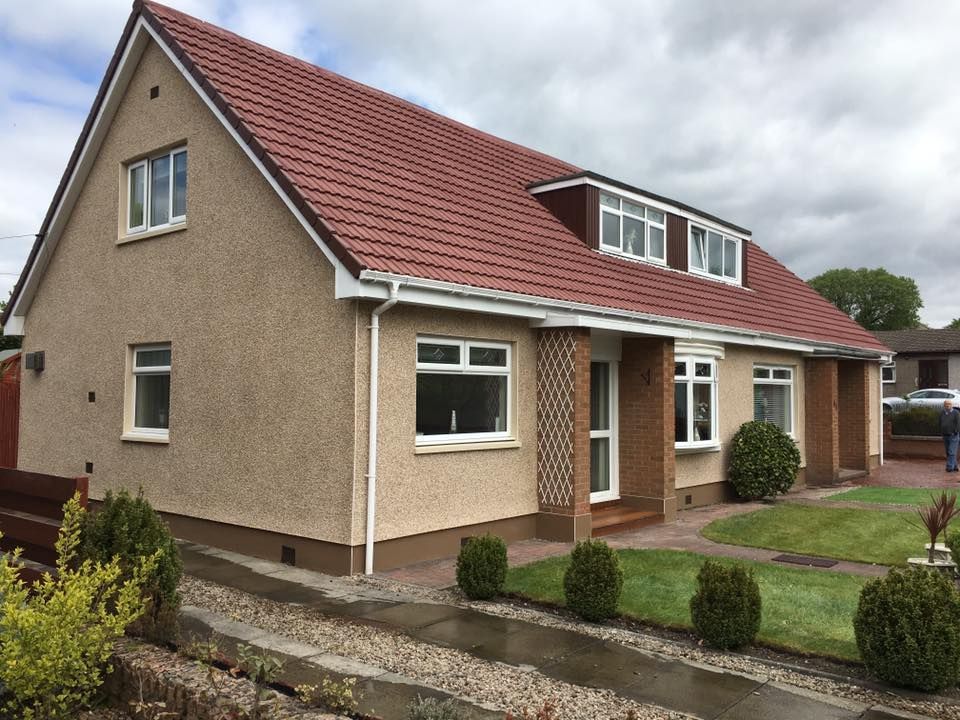
A semi-detached house in Derby typically costs between £5,500 and £9,500. Most Derby semis have a roof area of around 50 to 65 square metres. Two-storey properties need full wrap-around scaffolding, which forms a real part of the total cost and should be included in any quote you receive.
A detached house in Derby typically costs between £8,000 and £15,000 or more. Larger roof areas, plus features such as hips, valleys, dormers, and chimney stacks, all add time and materials. More complex detached properties can push well above £15,000 before premium materials are considered.
A bungalow in Derby typically costs between £4,000 and £7,500. Bungalows often have a larger footprint than a two-storey terraced house, but the single-storey access requirements can reduce scaffolding costs compared to taller properties.
A flat roof replacement on a garage or extension in Derby typically costs between £1,500 and £5,000, depending on the system used and the size of the area.
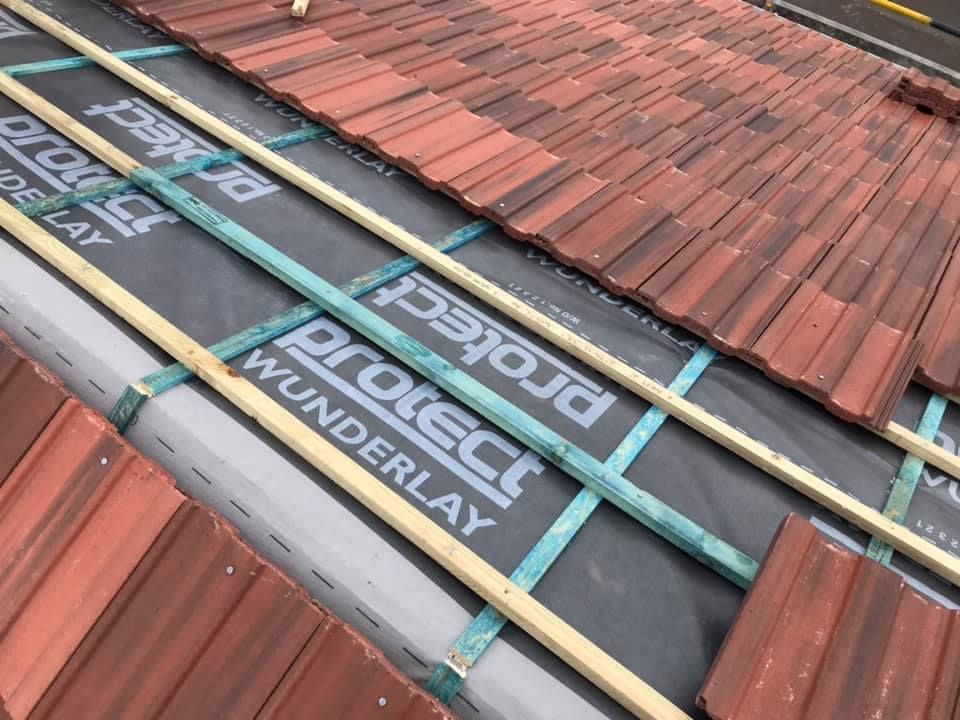
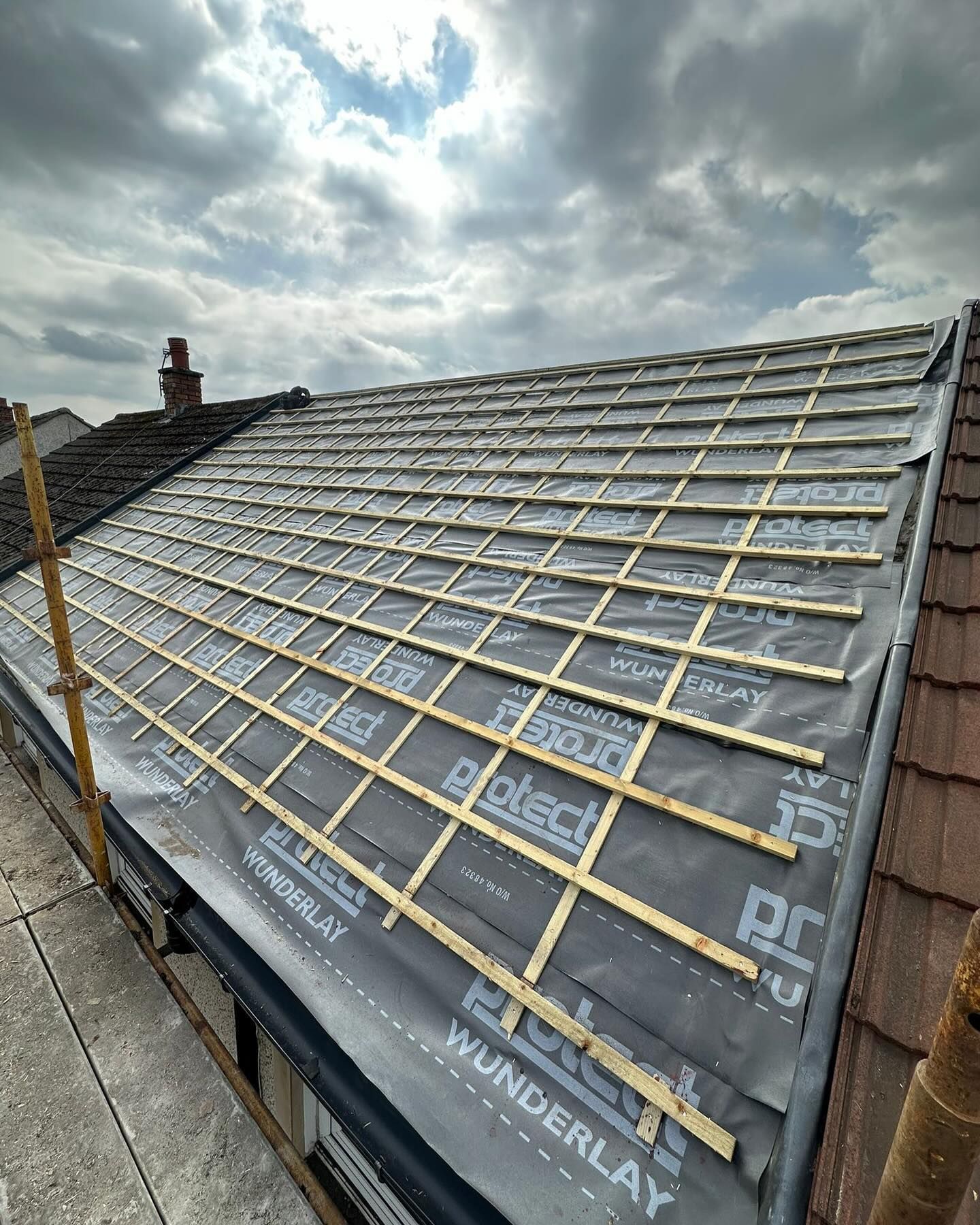
These figures cover a full strip and re-roof — removing all existing tiles, battens, and felt, inspecting and repairing the timber structure, fitting new breathable underlay, and installing new tiles or slate with ridge, hip, and valley systems. They are not patch repair prices.
Labour typically accounts for around 40 to 50 percent of the total cost on a Derby roof replacement. Materials, scaffolding, and skip hire make up the remainder. Derby and the wider East Midlands sit below London and the South East for roofing labour rates, which is one reason national price guides often overstate what you should expect to pay locally.
Scaffolding is the cost most Derby homeowners do not factor in at the start. A standard two-storey semi in Allestree or Chaddesden needs full wrap-around scaffold. Budget for it from the beginning so it does not come as a surprise when quotes arrive.
From our own Derby jobs, the biggest variable we see when pricing roofs is not the tiles — it is access and roof pitch. A straightforward semi on a level Littleover street can cost noticeably less than an identically sized roof on a steeply pitched property in Darley Abbey with restricted side access. The survey is what confirms the real number. That is why we offer it free.
Not sure which bracket applies to your property? Book your free Derby roof survey — call 01332-529704 for an honest assessment with no obligation.
New Roof Costs by Material — Which Is Right for Your Derby Home?
Material choice is the single biggest swing factor in your final roof cost. It also determines how long your new roof lasts, how it looks, and whether your local planning authority will approve it. Derby's housing stock spans Victorian terraces, Edwardian semis, post-war builds, and modern new-builds — and the right material depends on which category your property falls into.
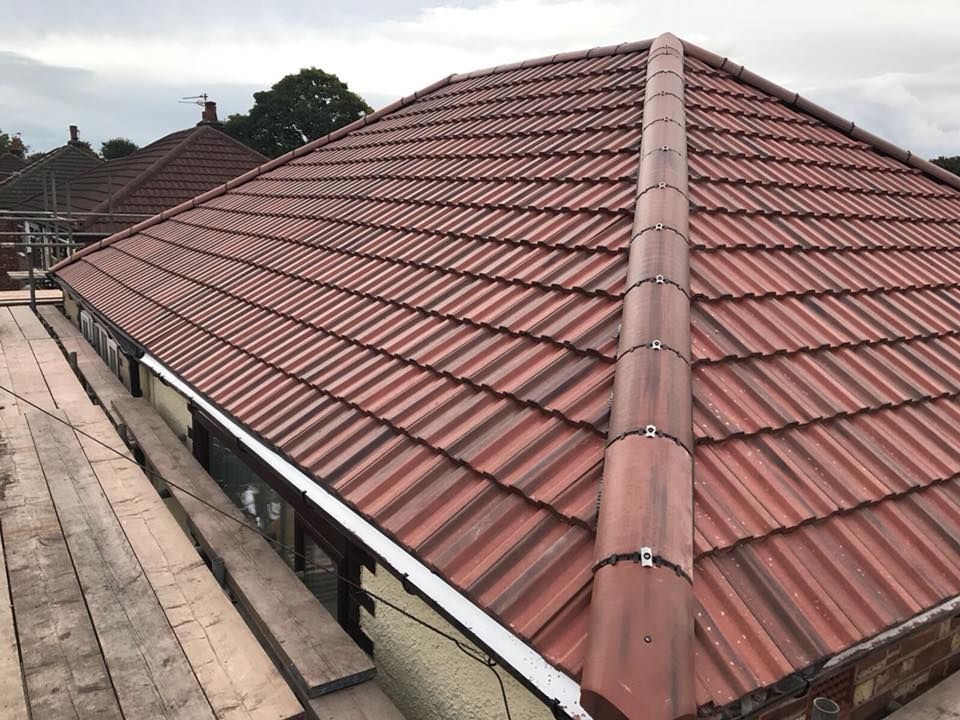
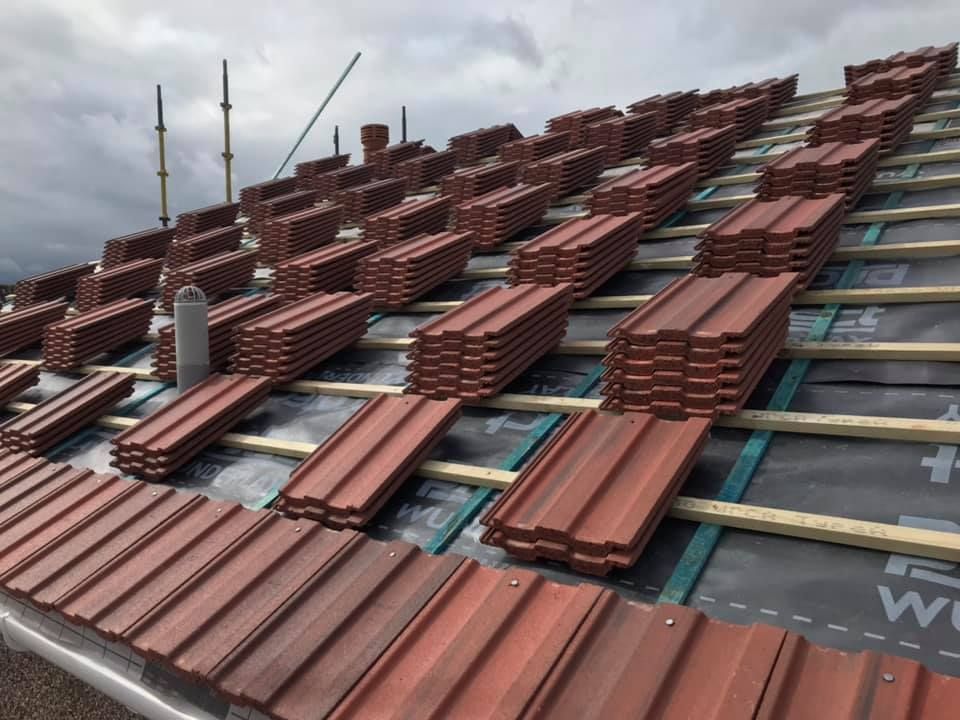
Concrete interlocking tiles are the most widely used material on Derby roofs today. They are cost-effective, fast to install, and available in a wide range of profiles and colours. They perform well in Derbyshire's wet winters and freeze-thaw cycles. For most Derby semi-detached and detached properties, concrete tiles offer the best balance of cost and longevity. Expect to pay in the region of £40 to £55 per square metre for materials, with a typical lifespan of 30 to 50 years.
Clay tiles are the traditional choice for older Derby streets and period properties. Clay is highly resistant to temperature variation and moisture absorption. In conservation areas such as parts of Darley Abbey and the Cathedral Quarter, clay tiles may be required to match the existing character of the street. They cost more than concrete but last significantly longer. Material costs run from around £55 to £75 per square metre, with a lifespan of 60 to 100 years.
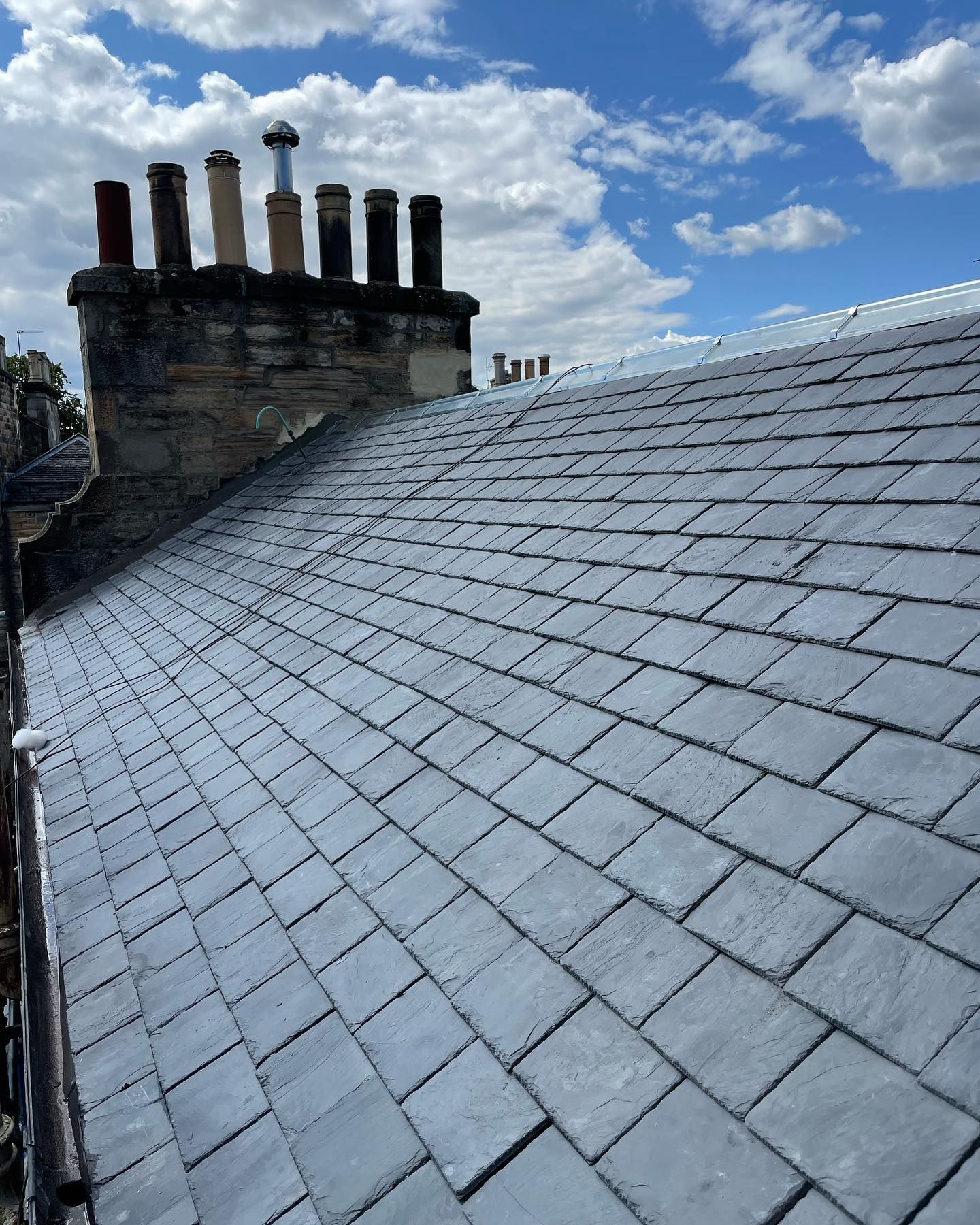
Natural Welsh slate is the premium option. It suits Derbyshire stone cottages, period terraces, and properties where planning conditions specify natural materials. Correctly installed natural slate can last well over 100 years. The cost per square metre is higher at around £70 to £100, but the lifespan means it can work out cheaper over time than replacing cheaper tiles twice.
Synthetic slate is worth considering where the roof structure cannot carry the weight of natural slate, or where budget is a constraint but appearance matters. It closely mimics natural slate and carries a good manufacturer warranty. Material costs sit at around £50 to £70 per square metre with a lifespan of 30 to 50 years. A practical choice for many Derby properties where natural slate is specified visually but weight is a structural concern.
EPDM rubber roofing is one of the most durable flat roof systems available. We install Firestone EPDM systems on Derby extensions, garages, and commercial properties. EPDM is virtually maintenance-free, handles Derbyshire's wet climate well, and carries an excellent long-term track record. Costs run from around £70 to £100 per square metre with a lifespan of 25 to 50 years or more.
GRP fibreglass roofing is the UK's most popular modern flat roof system. It is completely seamless, waterproof, and highly resistant to UV damage. For Derby house extensions and bay windows, GRP is often the best specification — there are no seams to fail and no ongoing maintenance required. Material and installation costs run from around £90 to £130 per square metre, with a typical lifespan of 25 to 30 years or more.
One material consideration specific to Derby is breathable underlay. Regardless of which tile or slate you choose, breathable underlay is not optional on a Derby roof. Derbyshire's rainfall levels and the region's temperature swings make condensation management in the roof space a real issue. We fit breathable underlay on every installation as standard.
If you are unsure which material is right for your property, that is exactly the kind of question we answer during a free survey. We look at your roof type, pitch, planning constraints, and budget before making a recommendation. Call us on 01332-529704 or visit derbyroofers.co.uk/contact-derby-roofers to book your free Derby roof survey.
What Affects the Final Price? The 6 Key Cost Factors in Derby
Two identical-looking houses in Derby can produce quotes that differ by £2,000 or more. That is not one roofer being dishonest — it is the result of six variables that every Derby roofing quote should account for. Understanding them means you can read quotes accurately and ask the right questions.
1. Roof size (m²) This is the primary driver of cost. A larger roof needs more materials, more labour time, and more skip capacity. Most roofers price per square metre, so a 50m² terraced house roof and an 85m² detached roof are not comparable — even if both have the same tile type.
2. Roof complexity A simple gable roof with two slopes is the cheapest to replace. Add hips, valleys, dormers, or chimney stacks and the cost rises — each junction requires precise cutting, leadwork, and additional time. Many older Derby properties in areas like Mickleover and Breadsall have original chimney stacks that add significant time to any re-roofing job.
3. Scaffolding A single-storey bungalow in Alvaston can sometimes be worked from ladders with tower scaffold. A two-storey semi or detached property needs full wrap-around scaffold. Budget for this as a real line item in any quote — it is not a minor addition.
4. Strip and disposal Removing the old roof and disposing of the waste costs money. Skip hire in Derby adds to the total. Any quote that does not include strip and disposal is not a complete quote — ask specifically if it is included.
5. Hidden structural work Rotten rafters, a damaged ridge board, or failed sarking are not visible until the old roof comes off. We always inspect the full timber structure once stripping is complete and quote any additional structural work before proceeding. Budget a contingency of around 10–15% on any older Derby property for this reason.
6. Time of year Derby roofers are busiest from March through October. Winter months — November through February — are quieter, and it is often possible to agree more competitive pricing for non-urgent work during this period. If your roof is not an emergency, a winter booking can reduce the overall cost.
Will a New Roof Add Value to Your Derby Home — And Is Now the Right Time?
A new roof is not just a maintenance cost. For most Derby homeowners, it is an investment that directly affects what their property is worth, how quickly it sells, and what it costs to run.
Resale value and surveyor impact. When a buyer's surveyor inspects a Derby property, the roof condition is one of the first things flagged. A failing or aging roof gives buyers a strong negotiating lever — and Derby estate agents will tell you that a roofing concern in a survey report regularly results in a price reduction that exceeds the actual cost of the work. A new roof removes that leverage entirely. It also removes the buyer's hesitation.
Energy efficiency. Under current Building Regulations, a pitched roof replacement requires insulation to be checked and upgraded. A new roof, correctly insulated, reduces heat loss through the roof plane — one of the largest sources of heat loss in an older Derby property. Lower energy bills, a better EPC rating, and improved comfort are practical outcomes, not just marketing claims.
Solar readiness. A new roof is the right time to prepare for solar panel installation. Solar panels need a structurally sound, recently installed roof to be mounted safely and to qualify for installer warranties. If solar is in your plans for the next five years, replacing the roof now — rather than after panels are fitted — avoids expensive removal and reinstallation costs later.
The cost of delay. A failing roof does not stay a roof problem for long. Water ingress moves fast in a Derby winter. Within weeks, a leaking roof can cause wet rot in roof timbers, damp to spread into wall cavities, plasterwork to fail, and in serious cases, structural damage to the ceiling below. The repair bill for secondary damage consistently exceeds the cost of the roof replacement that would have prevented it.
Insurance implications. An aging or visibly deteriorating roof can affect your Derby home insurance position. Some insurers reduce cover or decline claims where a roof has been left in poor condition. A new roof protects both the building and your policy.
Winter pricing. November through February is the quieter period for Derby roofers. If your roof is not an emergency, a winter booking is often the most cost-effective time to schedule a replacement — and availability is better. Book your free survey now, get a fixed written quote, and hold a date that works for you.
A Derby Homeowner Who Used This Guide Before Calling Us
A homeowner in Littleover contacted us after reading about material options for Derby properties. Their 1960s semi-detached had the original concrete tiles, several of which had cracked over the previous winter. They had already received one quote but were not sure whether the material being recommended was right for their roof pitch.
After reading the material section, they came to us knowing they wanted concrete interlocking tiles — practical, cost-effective, and suited to their roof profile. They also knew breathable underlay was a requirement, not an optional extra, and they asked us directly whether it was included in our quote. It was.
We carried out a free drone survey, confirmed the roof was a candidate for full replacement rather than repair, and provided a written itemised quote within 48 hours. The job was completed in three days. No subcontractors. No surprises on the final invoice.
The homeowner told us afterwards that knowing what questions to ask made the whole process feel less stressful. That is exactly why we publish this information. An informed Derby homeowner makes better decisions — and gets a better result.
Book your free survey at derbyroofers.co.uk/contact-derby-roofers or call 01332-529704.
Get your free Derby roof survey today — call 01332-529704 or visit derbyroofers.co.uk/contact-derby-roofers. No pressure. No obligation. Just a straight answer from a local team who knows Derby roofs.