Derby Roofers
Insurance Roofing Claims & Storm Damage
Call us now book a FREE consultation and FREE Quotation
FREE Drone Survey Available
Call: 01332-529704
Insurance Roofing Work & Storm Damage Claims Derby
We Are Your Trusted, Local Roofing Contractor Serving Derby & Derbyshire
Don't wait — contact Derby Roofers today for a FREE quote and a FREE drone roof survey.
📞
Call Now: 01332-529704
Has a recent storm left you with a damaged roof and no idea where to start? You are not alone. At Derby Roofers, we handle insurance roofing work and storm damage claims across Derby and Derbyshire every week. We survey the damage, write professional reports for your insurer, carry out emergency repairs, and support you through the entire claims process from the first phone call to the final sign-off.
With over 20 years of experience working on roofs across the DE postcode area, we know exactly what UK insurers look for — and how to make sure your claim has the best possible chance of approval.
Does Your Buildings Insurance Cover Storm Damage to Your Roof?
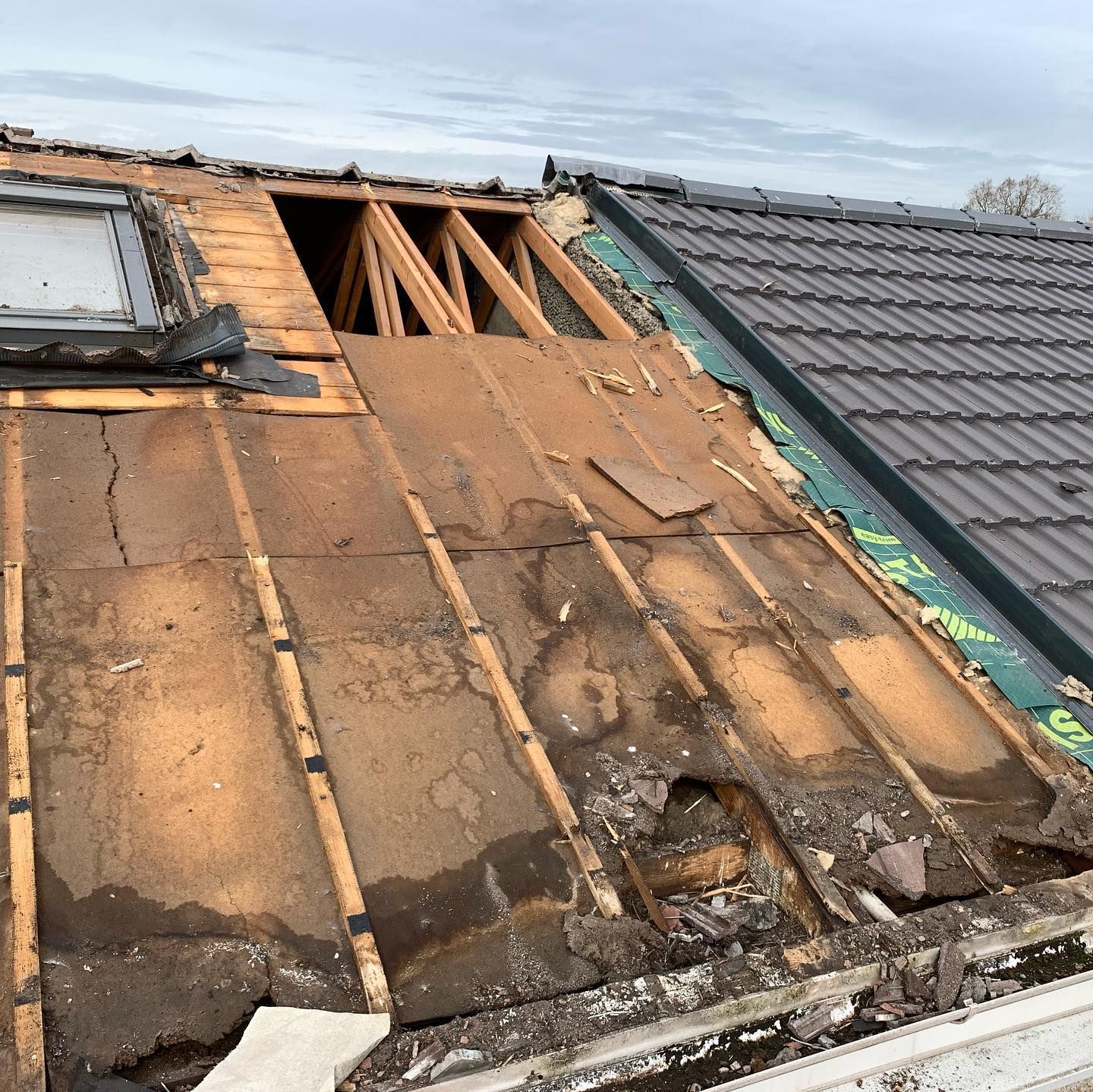
In most cases, yes. Your buildings insurance is designed to cover sudden, unexpected damage to the structure of your home — and that includes your roof. Most standard UK policies will cover:
- Missing or displaced roof tiles and slates blown off by high winds
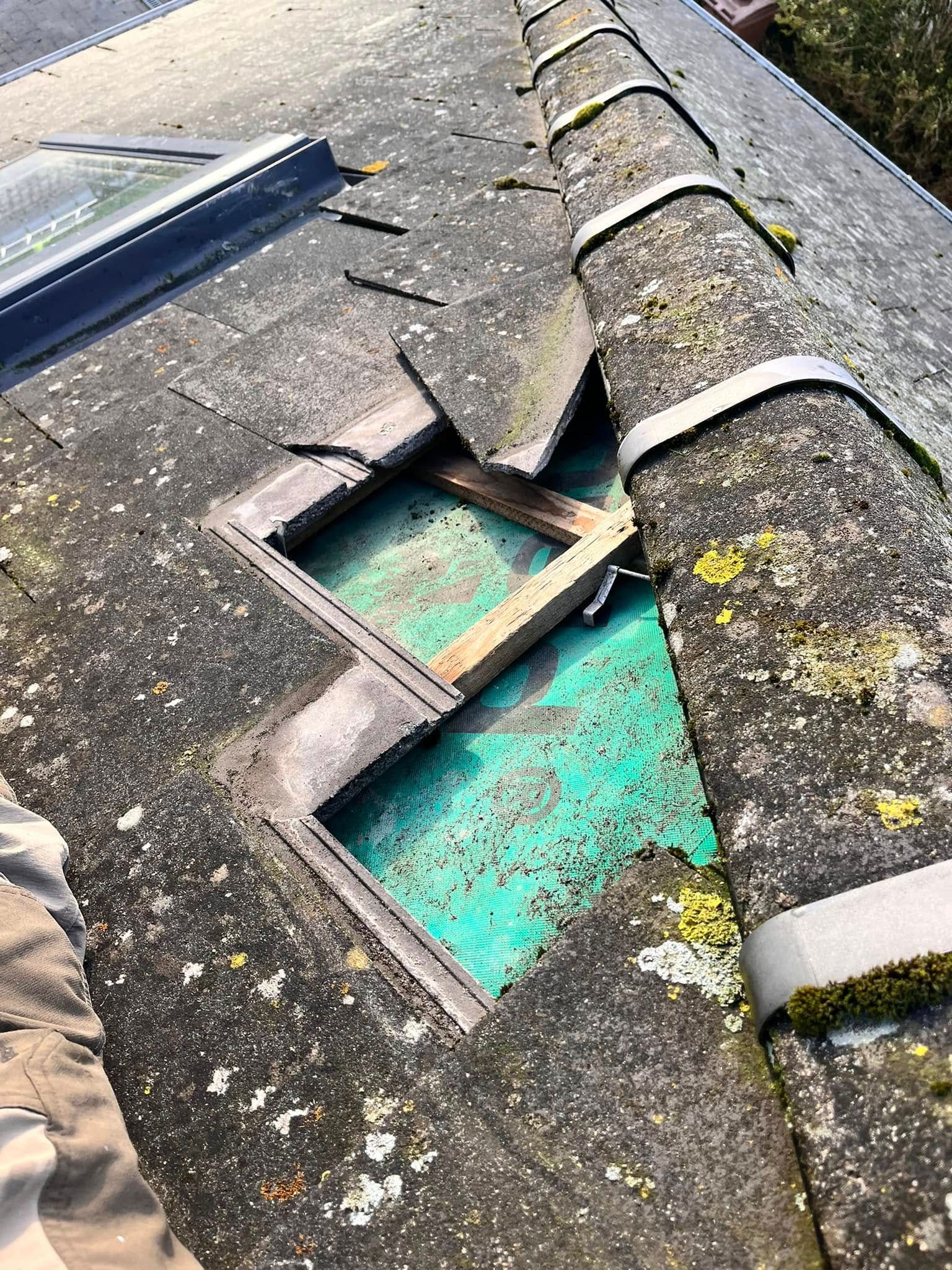
- Cracked or broken ridge tiles and caps
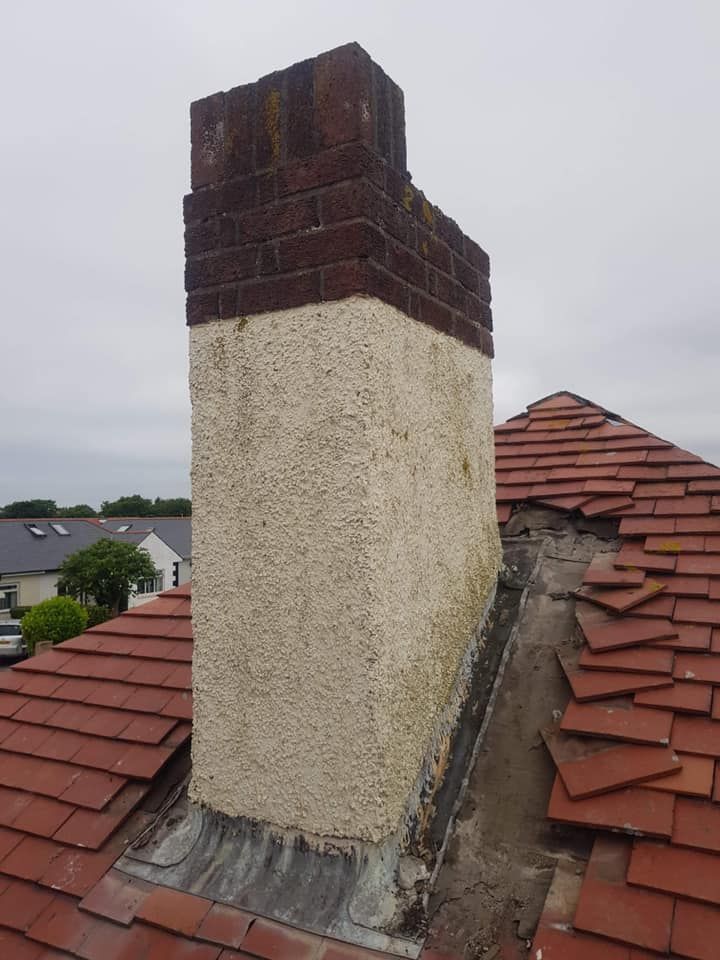
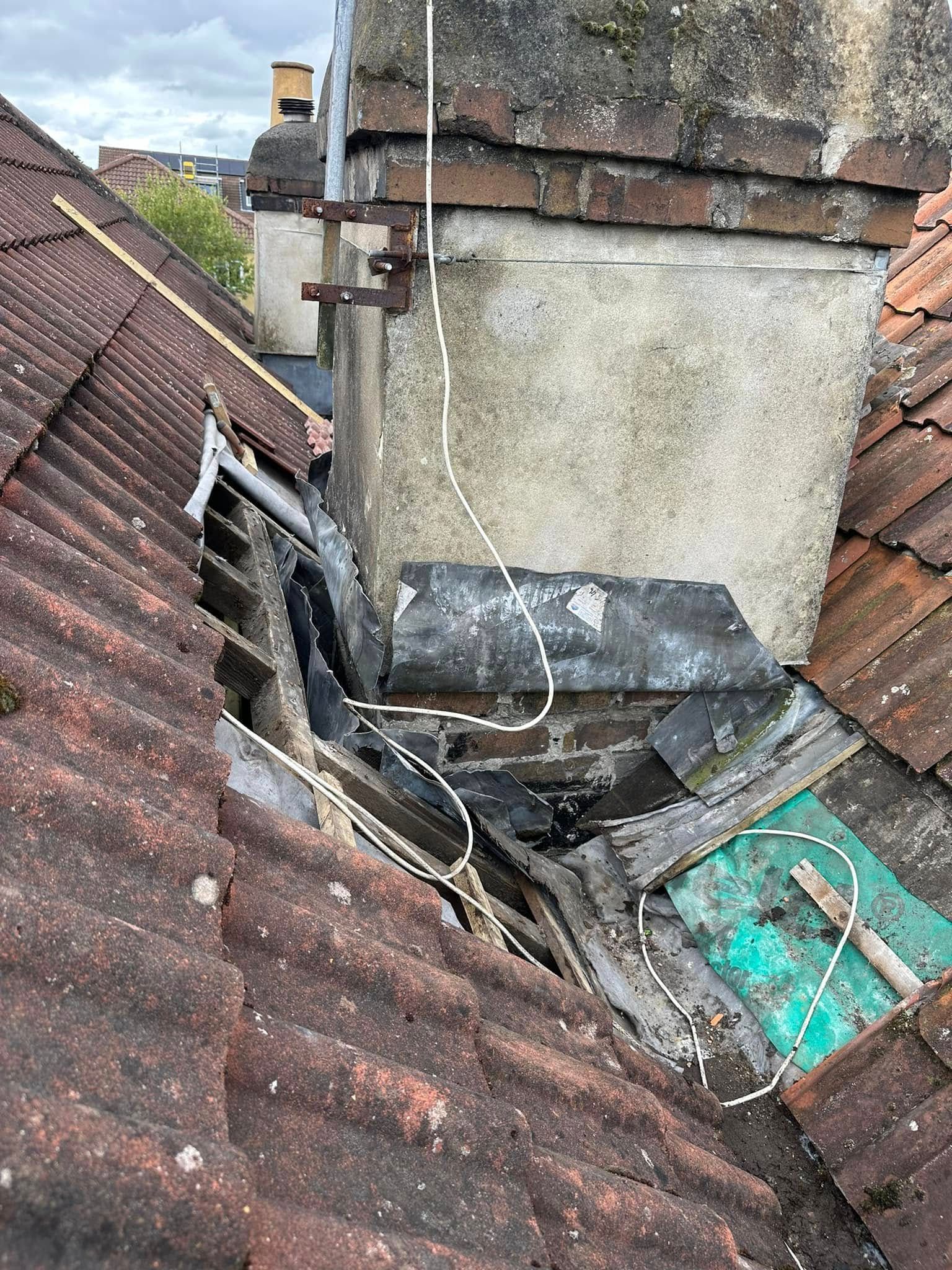
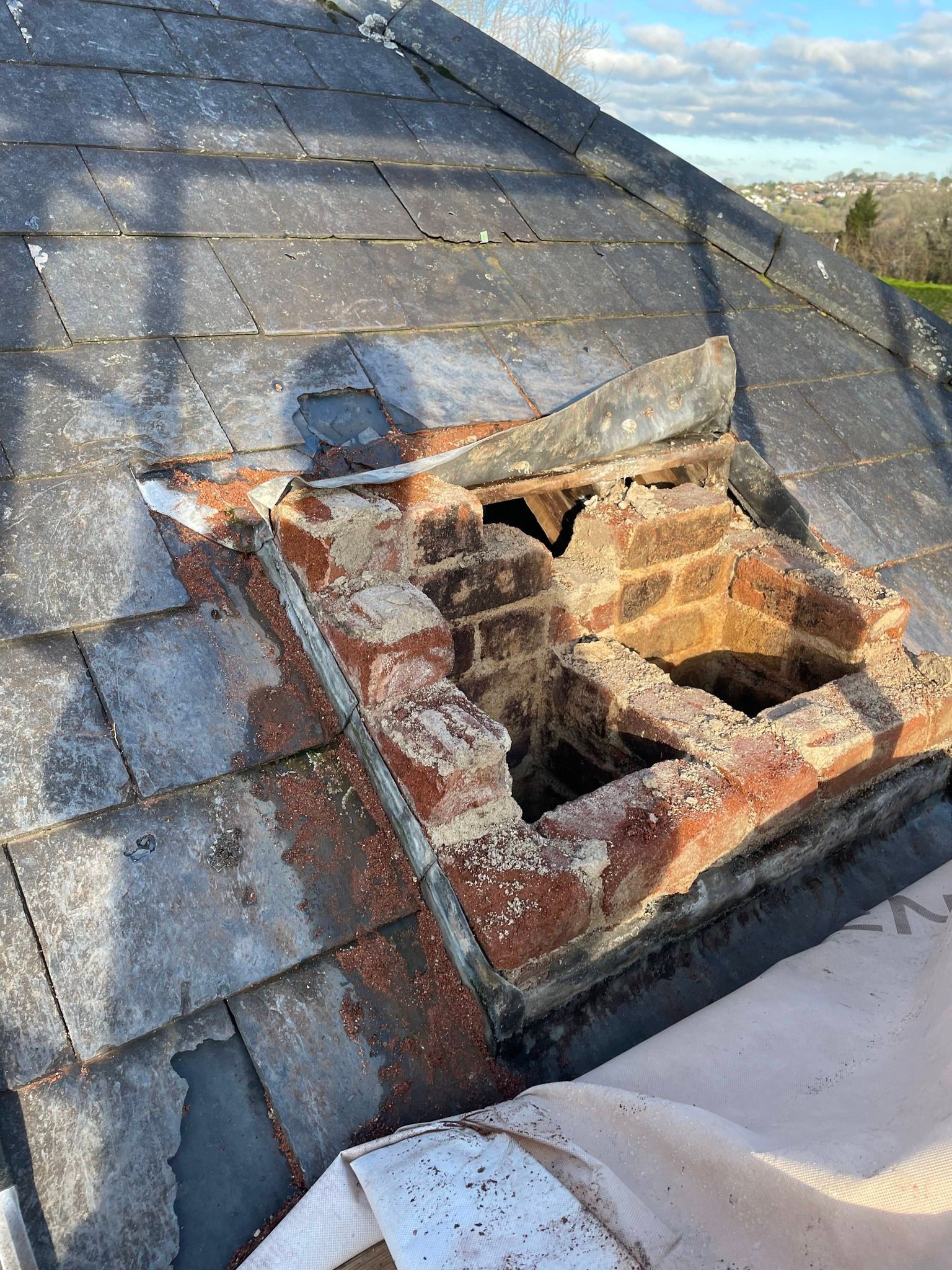
- Damaged lead flashing around chimneys and skylights
- Water ingress directly caused by storm damage
- Structural damage from fallen trees or branches landing on the roof
- Flat roof damage caused by storm-force wind or heavy rain
What your insurer will not cover is gradual wear and tear, neglect, or damage that built up over time. If a tile was already loose before the storm, your insurer may argue the damage is pre-existing. This is exactly why having a professional roofing contractor carry out a written inspection — before your loss adjuster visits — can make such a big difference to the outcome of your claim.
If you are unsure whether your roof damage qualifies, call us on 01332-529704. We can carry out a free drone roof survey across Derby and give you an honest assessment before you contact your insurer.
What Does 'Storm' Actually Mean to Your UK Insurer?
This is one of the most important things Derby homeowners need to understand — and one that most competitor roofing websites never explain.
UK insurers do not simply take your word for it that a storm occurred. They check recorded weather data against the Association of British Insurers (ABI) definition. Under this definition, a qualifying storm involves one or more of the following:
- Wind gusts of at least 48 knots (55mph)
- Torrential rain at a rate of 25mm or more per hour
- Snow to a depth of 30cm within 24 hours
- Hail severe enough to damage hard surfaces or break glass
Derby and Derbyshire regularly experience named storms between October and March. Storms such as Eunice, Ciarán, and Éowyn have all caused significant roof damage across the East Midlands in recent years. After any major weather event, Met Office records for the DE postcode area can confirm whether conditions met the ABI threshold — and we can help you obtain and present that evidence to support your claim.
If your insurer disputes whether a storm occurred, you have the right to refer the matter to the Financial Ombudsman Service (FOS). Having weather data and a professional roofer's report significantly strengthens your position.
How to Tell If Your Roof Has Storm Damage Worth Claiming
Storm damage is not always obvious from the ground — and that is exactly the problem. A single displaced ridge tile or cracked flashing can let water into your loft space for days before you notice a damp patch on the ceiling. By then, the damage can be significantly worse.
After any period of strong winds or heavy rain in Derby, look out for these signs:
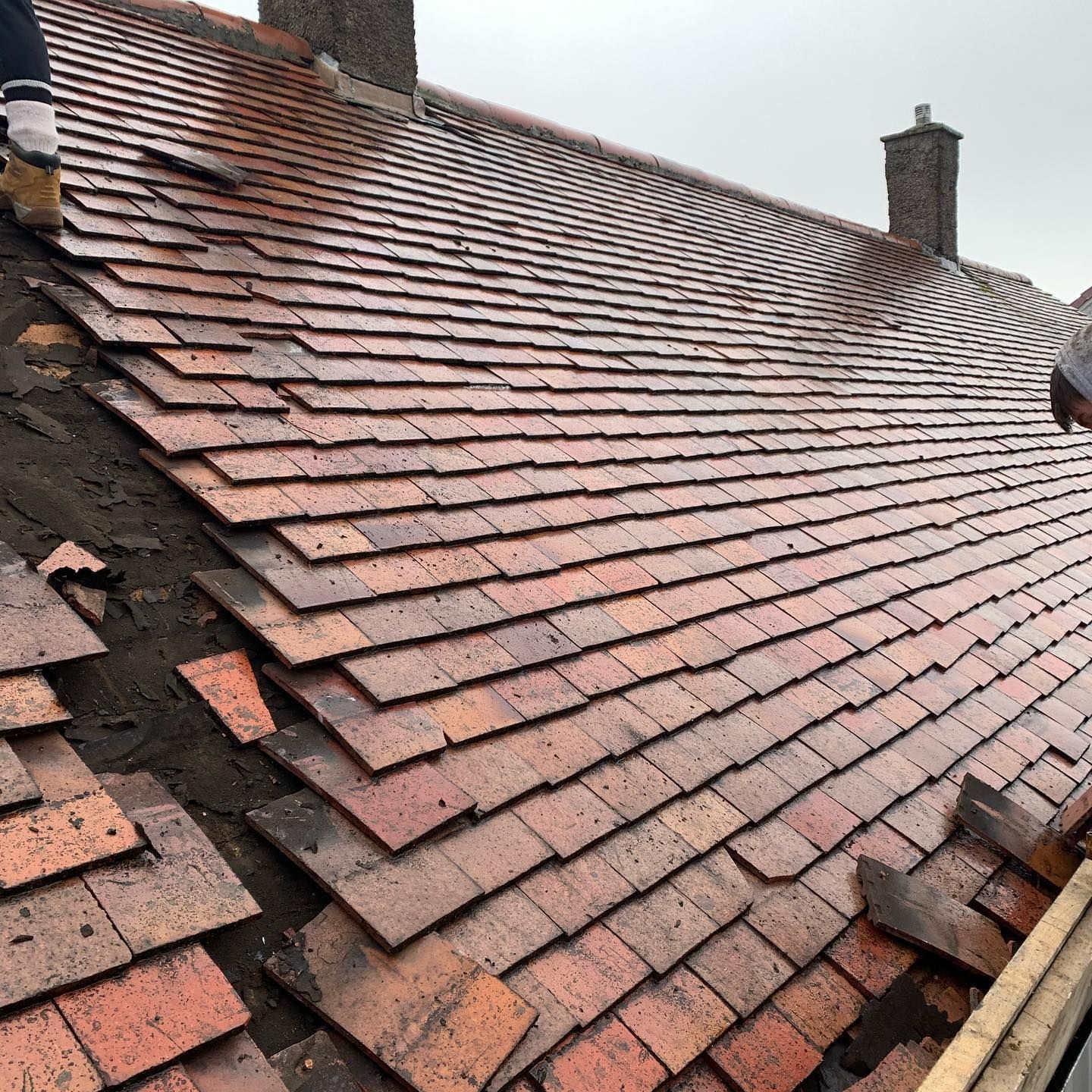
- Missing, cracked, or displaced concrete, clay, or slate tiles
- Lifted or loose ridge tiles along the roof apex
- Damaged or detached lead flashing around chimney stacks, skylights, or party walls
- Damp patches, water stains, or dripping water inside your loft
- Blocked, cracked, or pulled-away gutters from wind-blown debris
- Visible daylight through the roof timbers when you look up from inside the loft
Properties in older areas of Derby — including Victorian and Edwardian terraces in Normanton, Peartree, and Pear Tree Road, and post-war semis in Spondon, Chaddesden, and Alvaston — are particularly prone to tile and flashing damage in storms. The original clay and slate materials used on many of these homes are more vulnerable to wind uplift than modern concrete tiles.
If you cannot safely assess the roof yourself, our free drone roof survey gives you high-resolution images of your roof from above — without anyone having to climb a ladder. These images are date-stamped and carry real evidential weight when submitted with an insurance claim.
How to Prove Storm Damage to Your Roof
This is the section that can save your claim. The single biggest reason Derby homeowners have storm damage claims rejected is not lack of genuine damage — it is lack of evidence. Insurers need to see proof that the damage was caused by a specific storm event, not gradual deterioration.
Here is how to build a strong evidence file before the loss adjuster arrives:
Step 1 — Photograph Everything Immediately
Take timestamped photographs from the ground, inside the loft, and from any safe vantage point as soon as it is safe to do so after the storm. Capture wide shots showing the overall roof and close-ups showing specific damage. Do not clear up or dispose of broken tiles — keep them as physical evidence.
Step 2 — Book a Professional Roof Inspection
A written damage report from a qualified roofing contractor is one of the most powerful pieces of evidence you can submit. The report should state the cause of the damage and confirm it is consistent with storm conditions. Importantly, a professional roofer's report typically carries more weight with insurers than comments made by a loss adjuster who is not a qualified roofer.
We provide written inspection reports for insurance claims across Derby and the surrounding DE postcode area.
Step 3 — Obtain Weather Records
Request Met Office weather data for the storm date in your area. You can check recorded wind speeds, rainfall intensity, and whether any storm warnings were issued for the Derby / Derbyshire area on the date of the damage. This is the type of evidence insurers check when verifying claims.
Step 4 — Keep All Receipts for Temporary Repairs
If you have had an emergency tarpaulin fitted or carried out any temporary work to stop water getting in, keep every receipt. Most UK building insurance policies reimburse the cost of emergency repairs, provided they were reasonable and you notify your insurer promptly.
The Most Common Mistakes That Get Derby Roof Claims Rejected
After over 20 years working on roofs across Derby, we have seen the same mistakes come up again and again. Here is what to avoid:
1. Starting permanent repairs before notifying your insurer. This can give your insurer grounds to reduce or reject the claim entirely. Temporary emergency fixes are expected and covered — permanent repairs before approval are not.
2. Disposing of broken tiles or damaged materials. Broken ridge tiles, cracked slates, and displaced flashing sections are physical evidence. Keep them until the adjuster has visited.
3. Waiting too long to report the damage. Most policies require you to notify your insurer promptly after discovering damage. Delays raise questions about the cause and timing of the damage.
4. Letting the adjuster inspect alone. Loss adjusters work for the insurance company. Having one of our team on site during the adjuster visit means damage to underlays, felt, flashings, and ridge details does not get missed or dismissed as pre-existing.
5. Accepting the first decision without question. If your claim is rejected, you have the right to appeal. A second independent roofer's report, additional weather data, and a formal letter of challenge can all support a successful appeal. If you remain unhappy with the outcome, you can refer your complaint to the Financial Ombudsman Service within six months of the insurer's final response.
What Happens After You Report Storm Damage — Step by Step
Knowing what to expect at each stage means you can stay in control of the process and avoid being caught out.
Here is a clear overview of how an insurance roof claim works in Derby:
- You discover the damage and photograph it immediately
- You call us for a same-day roof inspection and written damage report
- You notify your insurer and submit your photos, our report, and weather records
- The insurer logs your claim and may send a loss adjuster to assess the damage
- We attend the adjuster visit on your behalf and walk through the damage in detail
- The insurer approves the scope of repair work to be carried out
- We complete the approved repairs using materials that match your existing roof
- The insurer pays us directly or reimburses you, depending on your policy
If your claim is rejected at step 6, we can support your appeal with a second detailed report and any additional evidence that was not submitted the first time around.
Emergency Roof Repairs in Derby While Your Claim Is Processed
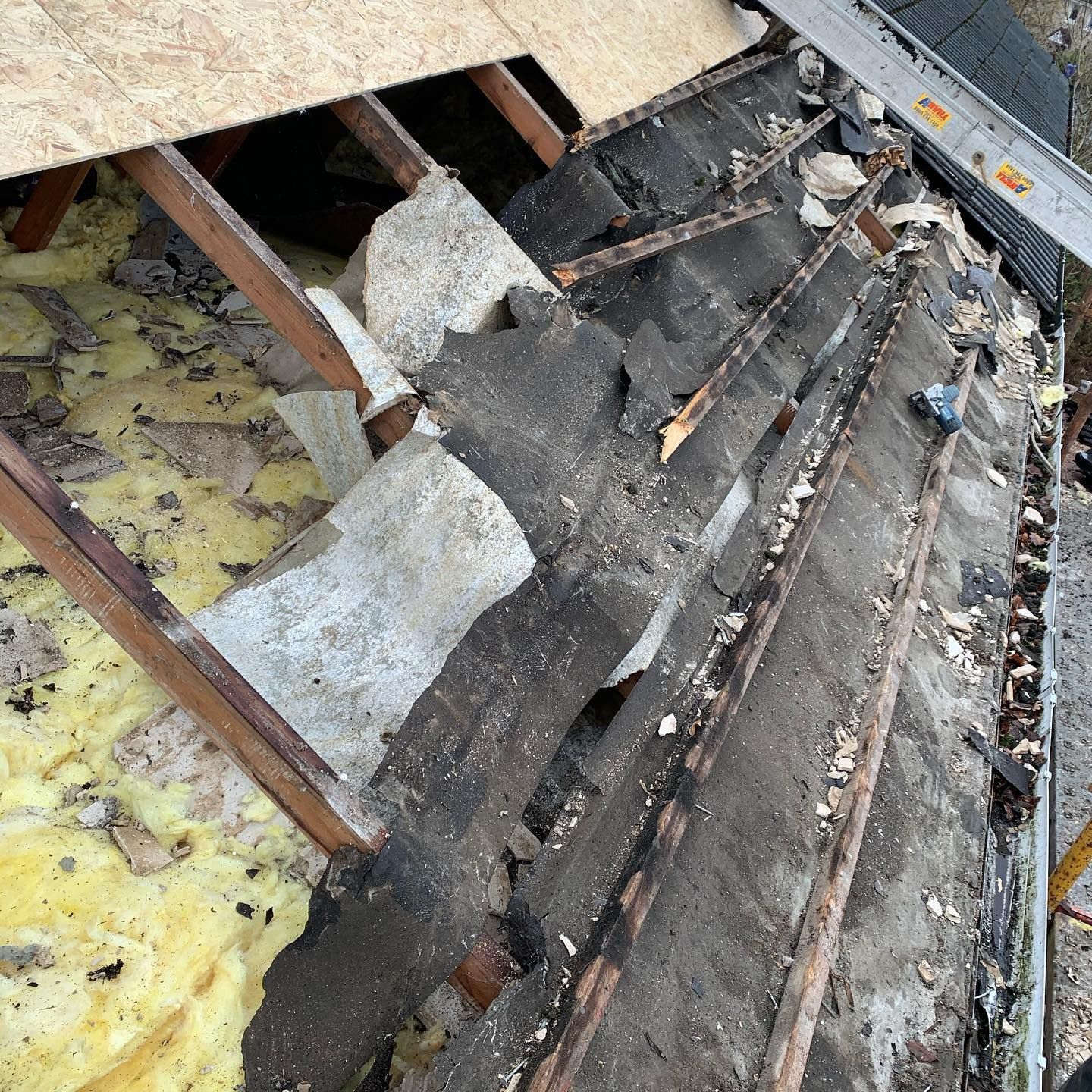
A leaking roof cannot wait two weeks for a claim to be approved. Water ingress left untreated causes structural damage to timbers, ceiling joists, insulation, and plasterwork — and the cost of that secondary damage can quickly exceed the original repair.
A leaking roof is a building emergency. You should act the same day.
Derby Roofers provide 24-hour emergency call-out for storm-damaged roofs across Derby and Derbyshire. In the autumn and winter months, when Derby sees the most named storm activity, we keep our emergency response times as fast as possible.
What you need to know about emergency repairs and your claim:
- Temporary repairs do not void your insurance claim — they are expected
- Most UK building insurance policies cover the cost of temporary emergency fixes
- Always photograph the roof before and after any temporary repair work
- Keep every receipt — these costs are reimbursed as part of the main claim
- Notify your insurer before starting any permanent repair work
We carry out emergency roof repairs across Derby city centre and all surrounding areas. If your roof is exposed after a storm, call us first on 01332-529704, then call your insurer.
Insurance Roofing Work We Carry Out in Derby
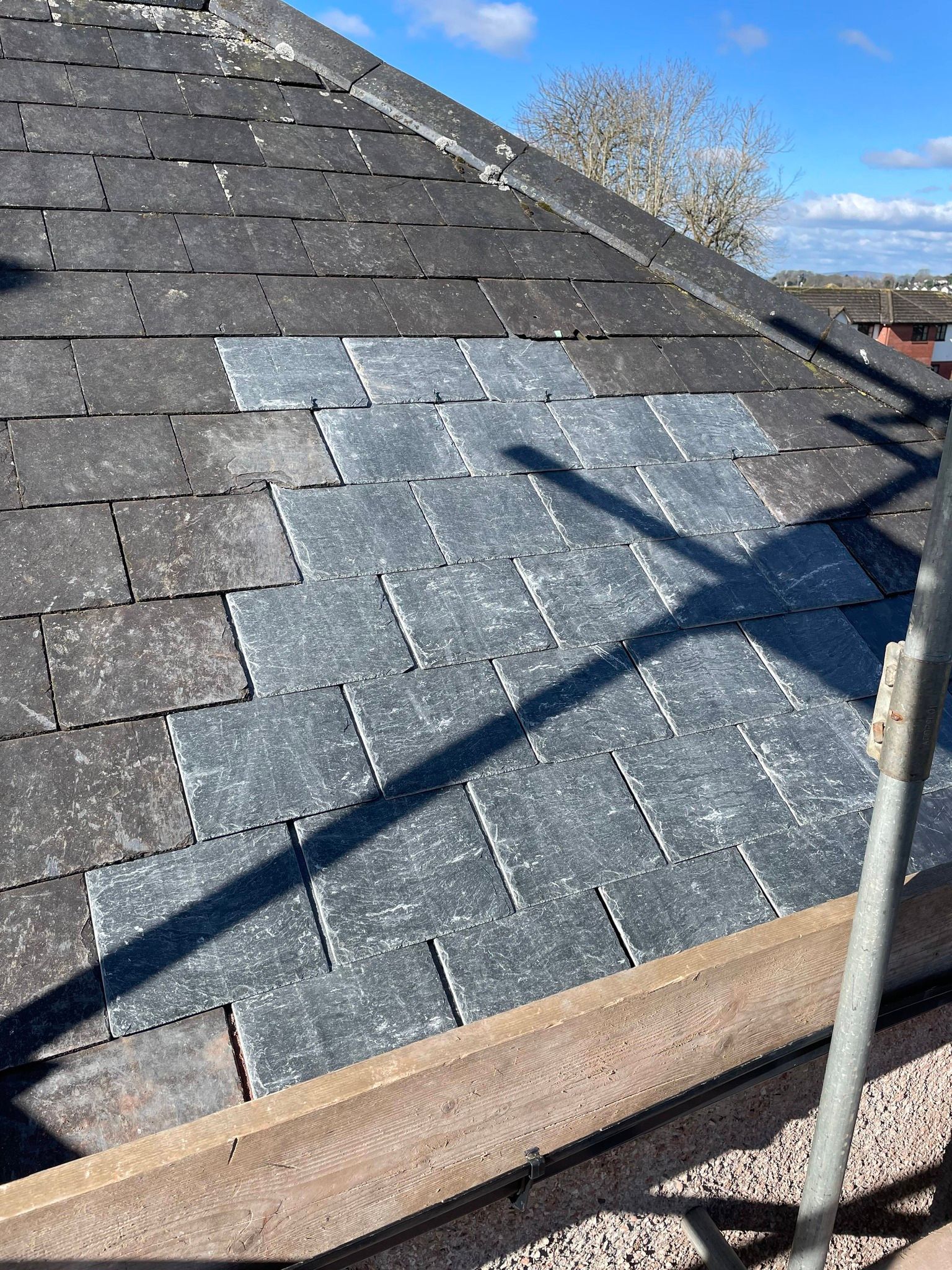
Once your claim is approved, we carry out all insurance-approved roofing work to a high standard using materials that match your existing roof. Our insurance roofing work in Derby includes:
- Tile and slate replacement — concrete, clay, and natural slate
- Ridge tile and hip tile repair and re-bedding
- Lead flashing replacement around chimney stacks, skylights, and party walls
- Flat roof repair and section replacement — EPDM rubber, GRP fibreglass, felt
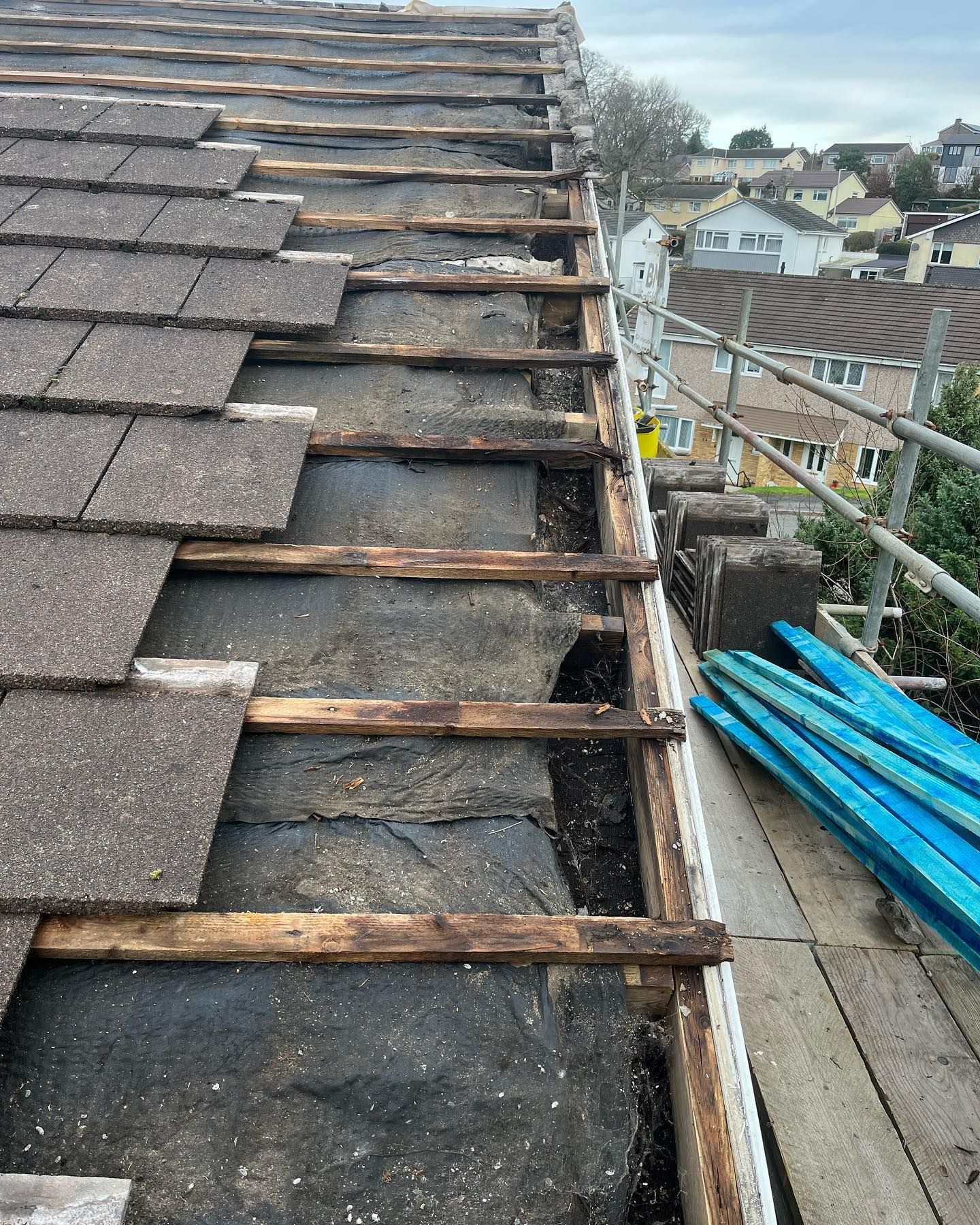
- Roof timber and structural repair following storm damage
- Fascia, soffit, and guttering repair or replacement
- Chimney stack repair and repointing following wind damage
- Full or partial roof re-covering where damage is extensive
We are experienced working with all major UK insurers and can provide detailed written quotes in the format most insurers require. We also attend loss adjuster visits and can liaise directly with your insurer throughout the repair process.
Frequently Asked Questions About Storm Damage Roof Claims in Derby
Is roof storm damage covered by insurance in the UK?
Yes, in most cases. Standard UK buildings insurance covers sudden storm damage to roofs, including missing tiles, broken flashings, and structural damage caused by wind, hail, or falling trees. Wear and tear and gradual deterioration are not covered. The damage must be linked to a specific weather event that meets the ABI definition of a storm.
What is the most common mistake people make when dealing with an insurance claim?
The most common mistake is starting permanent repairs before notifying your insurer. This can give the insurer grounds to reduce or reject the claim. Always notify your insurer first, carry out only temporary emergency repairs to stop water ingress, and wait for the loss adjuster to visit before any permanent work begins.
How do I prove storm damage to my roof to my insurer?
The most effective evidence for a storm damage roof claim is: timestamped photographs taken immediately after the storm, a written inspection report from a qualified roofing contractor confirming the cause of the damage, and Met Office weather records showing that conditions on the date of the damage met the ABI definition of a storm. A professional roofer's written report carries significant weight with insurers.
Can I claim roof repairs on my buildings insurance?
Yes. Buildings insurance covers sudden, unexpected damage to the structure of your home including the roof. This includes storm damage, falling trees, and accidental structural damage. You will usually need to pay an excess. Routine maintenance, wear and tear, and gradual deterioration are excluded from standard policies.
Is storm damage classed as an act of God?
In UK insurance terms, 'act of God' is not a standard exclusion. Most UK buildings insurance policies explicitly include storm cover. The key question is whether the weather event met the ABI's definition of a storm and whether your roof was in a reasonable state of repair before the damage occurred.
Is a leaking roof classed as an emergency?
Yes. A leaking roof should be treated as a building emergency. Water ingress causes structural damage to timbers, insulation, ceilings, and walls very quickly. You should arrange for emergency repairs the same day and notify your insurer as soon as possible. Most policies cover the cost of emergency temporary repairs.
Who pays for storm damage to a roof — me or my insurer?
Your insurer pays for the approved cost of repair once your claim is accepted, minus your policy excess. Your roofing contractor can accept payment directly from your insurer in many cases. You are responsible for paying the excess and for any work that falls outside the approved scope of the claim.
What if my insurer says the damage is wear and tear, not storm damage?
Ask for the decision in writing and request a formal review. Obtain an independent written report from a qualified roofing contractor that clearly states the damage is consistent with storm conditions. Submit this alongside local weather data for the date of the storm. If you remain unhappy with the outcome, you can refer your complaint to the Financial Ombudsman Service (FOS) within six months of the insurer's final response.
Will my claim be affected by the age of my roof?
The age and condition of your roof can affect how your insurer assesses a claim. Some policies pay out at actual cash value rather than full replacement cost for older roofs. However, age alone does not disqualify a claim. If the damage was caused by a storm event, you are still entitled to claim. A well-maintained older roof is in a much stronger position than a neglected one of the same age.
Ready to Get Your Roof Claim Started? Call Derby Roofers Today
If your roof has been damaged in a storm, don't wait. The longer you leave it, the greater the risk of further water damage — and the harder it can become to prove the original cause of the damage to your insurer.
Derby Roofers have handled insurance roofing work and storm damage claims across Derby and Derbyshire for over 20 years. We respond fast, inspect thoroughly, write detailed reports your insurer will take seriously, and carry out all approved repair work to a high standard.
Here is what we offer:
- Free drone roof survey and written damage report
- 24-hour emergency call-out for storm-damaged roofs
- Attendance at loss adjuster visits
- Full insurance repair work on all roof types
- Experienced working with all major UK insurers
- Available across Derby and the whole DE postcode area
Call us today on 01332-529704 or complete our contact form at derbyroofers.co.uk/contact-derby-roofers and we will get back to you the same day.
Your roof protects everything underneath it. Let us protect your claim.
Areas We Cover — Insurance Roofing Work & Storm Damage Claims Derby, Derbyshire
Derby Roofers proudly serves homeowners and businesses throughout Derby city and the wider Derbyshire area. Our local teams cover:
Derby City Areas:
- Derby City Centre (DE1)
- Allestree, Mackworth & Quarndon (DE22)
- Mickleover (DE3)
- Littleover & Normanton (DE23)
- Chaddesden, Oakwood & Spondon (DE21)
- Alvaston, Crewton & Osmaston (DE24)
Surrounding Derbyshire Towns & Villages:
- Belper (DE56)
- Ripley (DE5)
- Ilkeston (DE7)
- Heanor (DE75)
- Swadlincote (DE11)
- Ashbourne (DE6)
- Matlock (DE4)
- Borrowash & Draycott (DE72)
- Etwall & Hilton (DE65)
- Melbourne & Chellaston (DE73)
- Duffield & Little Eaton (DE56 / DE21)
- Breadsall & Darley Abbey (DE21 / DE22)
- Long Eaton (NG10)
- Castle Donington (DE74)
Not sure if we cover your area? Call us on 01332-529704 and we'll be happy to help.