Derby Roofers
Leadwork, Chimney flashings, valleys, flat roof edges. all done to British Standard
Call us now book a FREE consultation and FREE Quotation
FREE Drone Survey Available
Call: 01332-529704
Lead Work & Lead Flashing Derby | Free Survey & Quote
We Are Your Trusted, Local Roofing Contractor Serving Derby & Derbyshire
Don't wait — contact Derby Roofers today for a FREE quote and a FREE drone roof survey.
📞
Call Now: 01332-529704
Derby Roofers provides professional leadwork in Derby for homes, extensions, and commercial buildings across Derbyshire. We handle everything from a single failed flashing to a full lead valley replacement. With over 20 years of roofing experience, our team works across Derby and all surrounding DE and NG postcodes — from the city centre to Long Eaton, Belper and beyond.
If you have a
leaking chimney, a damp patch on your ceiling, or cracked lead flashing spotted during a survey, we can help. We offer a free roof survey and same-week availability across most of Derbyshire. Call us on 01332-529704 or complete our contact form to
book your free drone inspection.
What Is Leadwork on a Roof?
Leadwork is the fitting of shaped lead sheets at the joints, edges, and penetrations on a roof. Lead sits where two roof surfaces meet, or where a roof meets a wall, chimney, dormer, or skylight. It keeps rainwater out of those junctions and channels it safely away from your home.
Without leadwork, water runs straight into the gap between roof materials. That means damp walls, rotting timbers, and ceiling staining — all traced back to a single failed flashing. In Derby, leadwork appears on the vast majority of properties, from Victorian terraces in Normanton to 1970s semis in Mickleover.
Where Is Lead Used on a Roof?
Lead is fitted at several key locations, including:
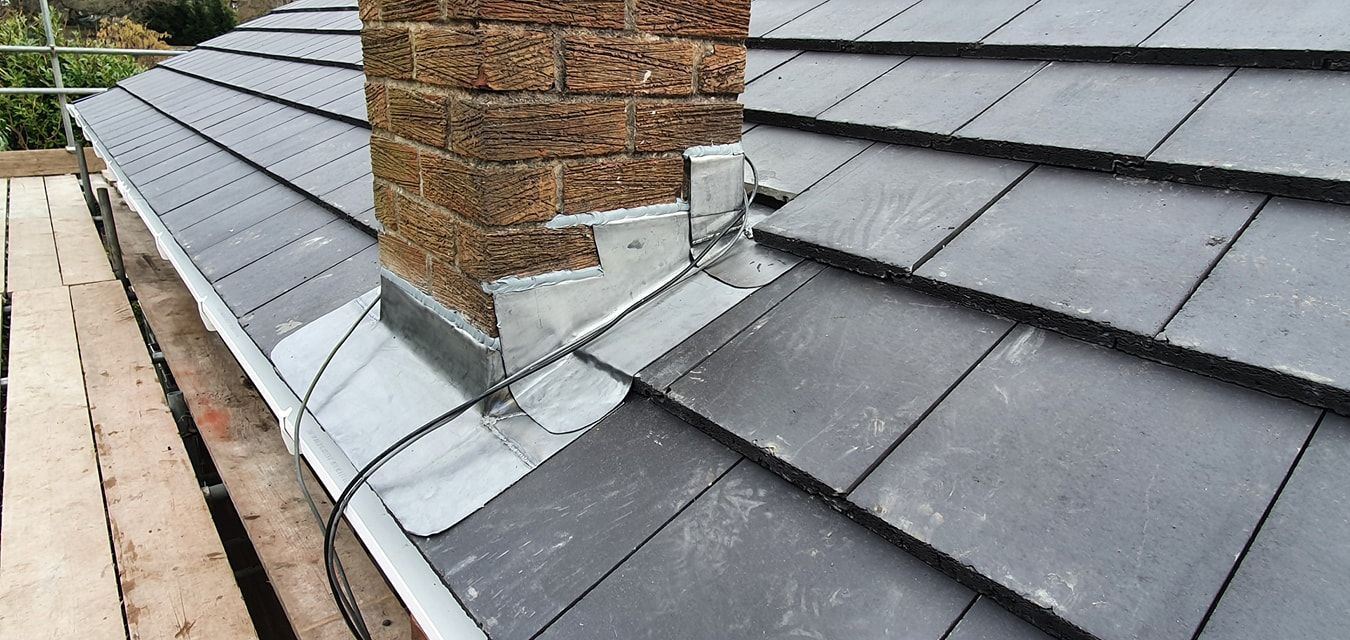
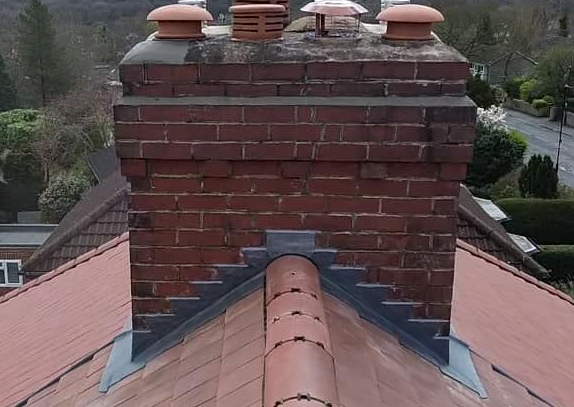
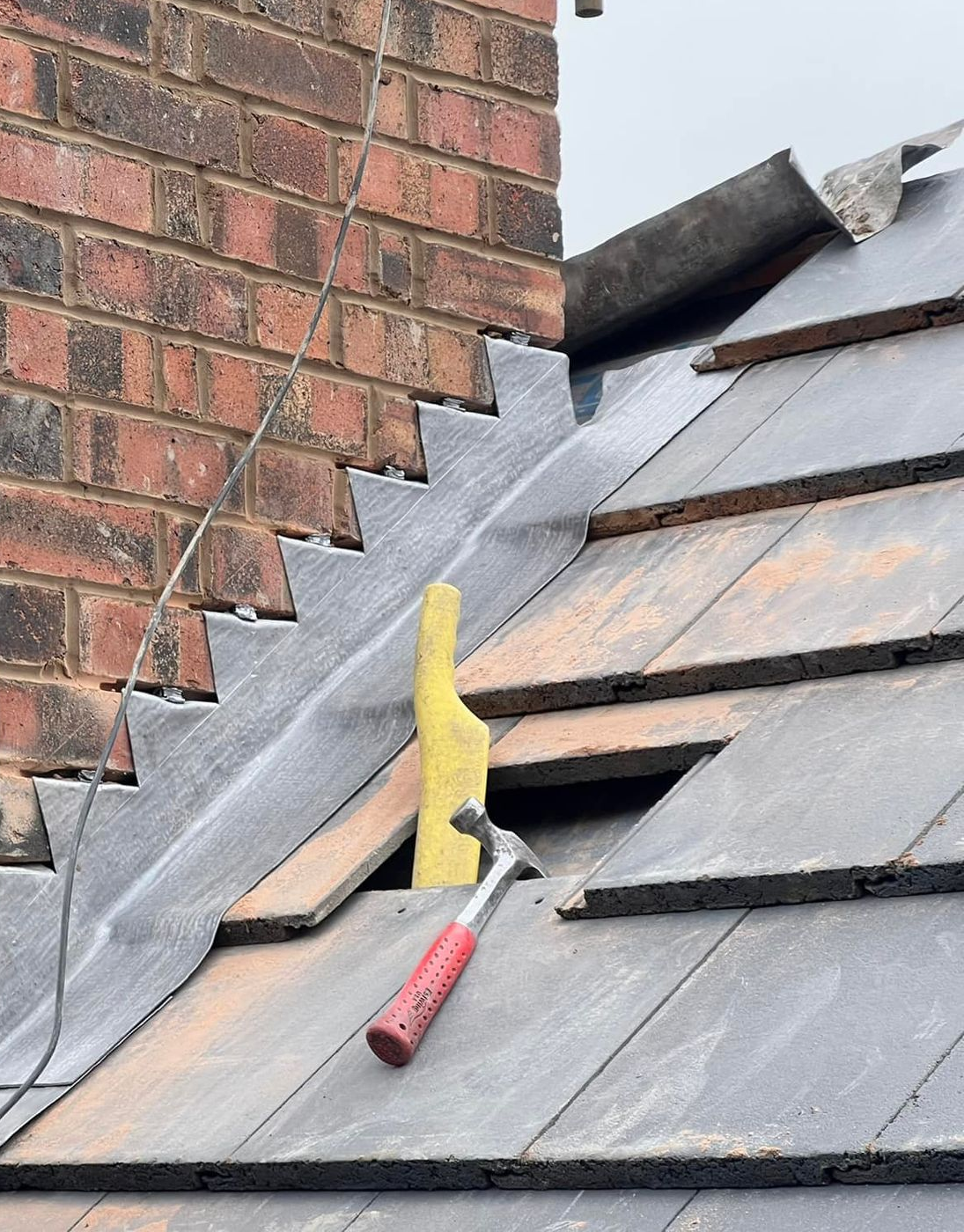
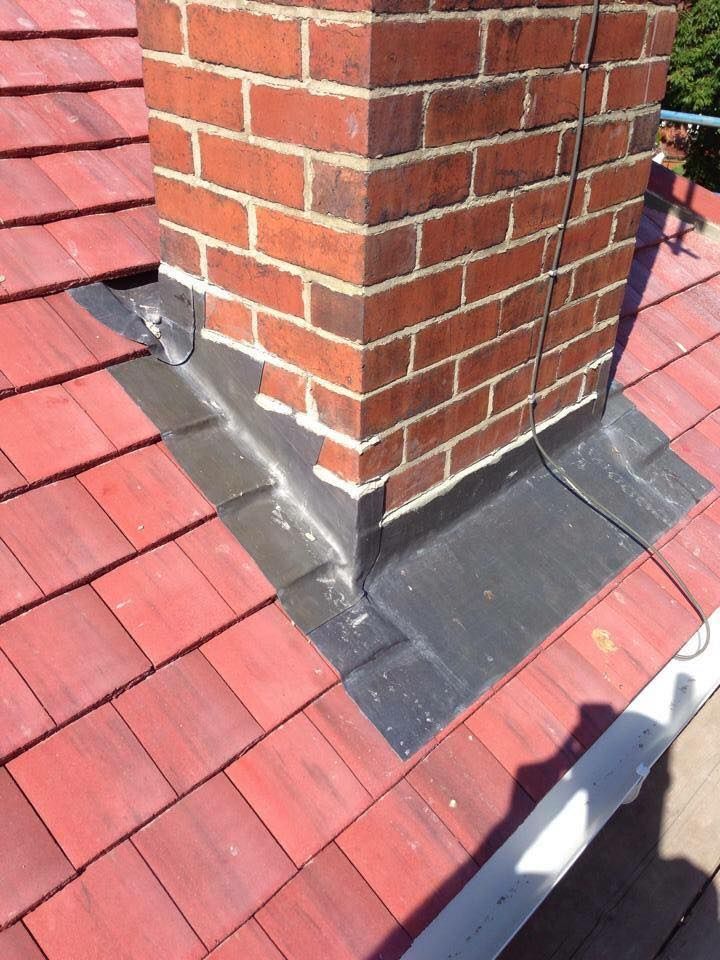
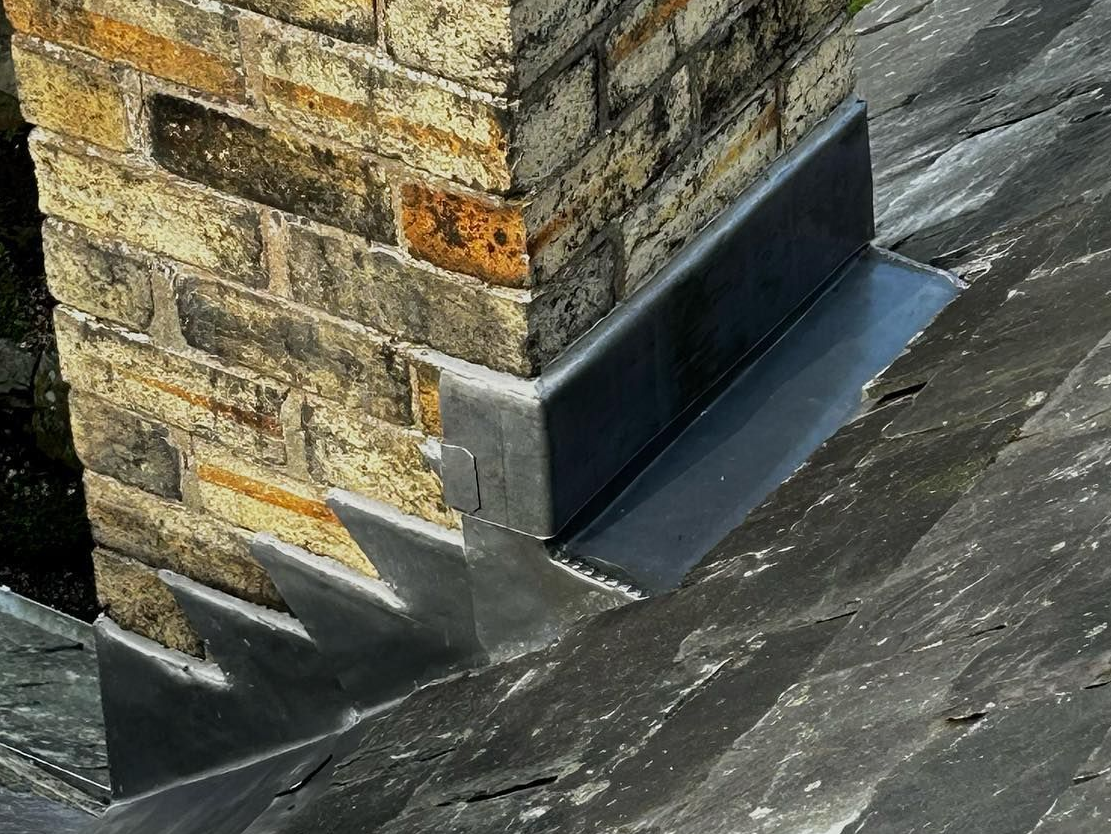
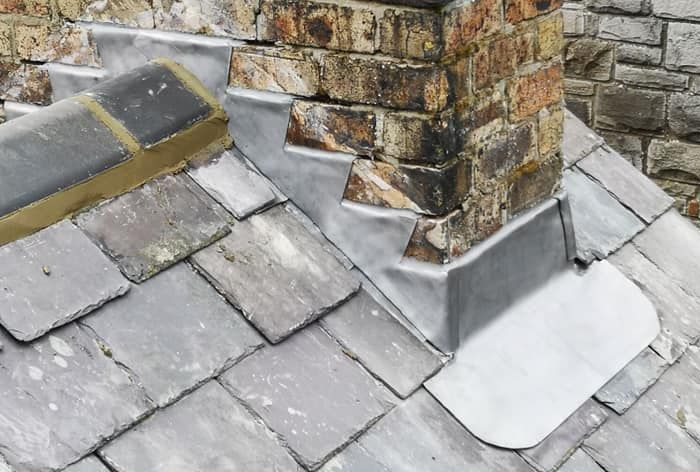
- Chimney bases and stacks — step flashings, soakers, apron and back gutter
- Roof valleys — where two roof slopes meet and water collects
- Flat roof edges and parapet walls — sealing the perimeter of flat sections
- Around skylights, soil vent pipes, and dormer cheeks — any roof penetration
- Abutments — where a roof slope meets a vertical wall on an extension or lean-to
Lead is the preferred material for these jobs because it is soft, pliable, and easy to dress by hand around brick courses, curved surfaces, and awkward angles. No other common roofing metal matches its combination of flexibility and working life.
How to Spot Failing Lead Flashing Before It Causes a Leak
Leadwork problems are easier and cheaper to fix when caught early. Most failures start small — a lifted edge, a cracked bay, or mortar that has pulled away from the chase. Left alone, these let water in and the damage spreads quickly into the roof structure below.
In Derby, we are regularly called to properties in Allestree and Chaddesden where a damp patch on a bedroom ceiling has been growing for months. In almost every case, the flashing failed long before the indoor staining appeared. A visual check from the ground each spring can catch the warning signs well before a major repair is needed.
Signs Your Leadwork Needs Attention
Look out for these indicators when checking your roof:
- White staining or tide marks on chimney brickwork below the flashing line
- Lead that has lifted, buckled, or pulled away from the mortar joint
- Cracked or crumbling mortar at the top edge of the flashing
- Damp patches on interior walls directly below a roof junction or valley
- Dark staining or persistent moss growing along a lead valley
- Peeling paint or wallpaper on interior walls adjacent to a chimney breast
- A musty smell in upstairs rooms — often an early sign of slow water ingress
If you spot any of these on your property, do not wait. Call us on
01332-529704. We offer a free roof survey — including drone inspection for difficult-to-reach areas — across Derby and all of Derbyshire.
Lead Flashing Repairs and Replacements Done to British Standards
All our leadwork is carried out to BS EN 12588 — the British and European standard governing rolled lead sheet quality — and BS 6915, the installation standard covering how lead is jointed, fixed, and detailed on a roof.
These standards exist because lead expands and contracts with every temperature change. If individual pieces are cut too long — beyond 1.5 metres — or the chase is too shallow, the lead cannot move freely. Stress builds up in the sheet and it cracks. Following the correct standards prevents this and gives the lead a full working life of 50 to 100 years.
Our Step-by-Step Repair and Replacement Process
- Strip the failed lead and inspect the substrate below for rot or water damage
- Recut the mortar chase to the correct depth — typically 25mm — for a secure key
- Select the correct lead code (3–8) for the location and exposure level
- Cut and dress new lead sections to the correct length, with proper overlaps
- Fix with stainless steel clips to allow for thermal movement without stress
- Point with lead-compatible mortar or sealant — not hard cement, which cracks under movement
- Apply patination oil immediately after installation to prevent white staining on brickwork
We use Code 4 rolled lead sheet for most chimney and abutment flashings. For exposed locations, parapet walls, dormer roofs, and wider valley gutters, we move to Code 5 or Code 6. Every roll we use is manufactured to BS EN 12588.
In Derby's conservation areas — including parts of the Cathedral Quarter and Friar Gate — like-for-like lead replacement is often required by the local authority. We are familiar with these requirements and will advise you before any work begins.
Understanding Lead Codes — Which Code Does Your Roof Need?
One of the most common reasons leadwork fails prematurely is the use of the wrong code for the job. Each lead code refers to the thickness and weight of the sheet. Using too thin a code in an exposed or wide application causes the lead to crack under thermal stress.
Lead Code, Thickness and their Typical Use
- Code 3: 1.32mm - Soakers only — not left exposed
- Code 4: 1.80mm - Step flashings, apron flashings, general use
- Code 5: 2.24mm - Valley gutters, dormers, exposed flashings
- Code 6: 2.65mm - Flat roofs, wide valleys, parapet copings
- Code 7: 3.15mm - Flat roofs, tapered valley gutters
- Code 8: 3.50mm - Heavy-duty flat roofs, heritage and specialist work
Derby roofers select the correct code for your specific roof geometry, exposure level, and bay size. If your current leadwork was installed with the wrong code — common on conservatory extensions and older extensions across Derby — that is likely the reason it has failed.
Why Lead Outlasts Cheaper Alternatives on Derby Roofs
Lead has been used on roofs across the UK for centuries. Historic buildings throughout Derby city centre — including churches, civic buildings, and Victorian commercial properties — still carry original lead that was installed generations ago.
Modern alternatives such as aluminium flashing tape, lead-effect EPDM strips, and pre-formed plastic valley trims are available at lower upfront cost. But they cannot match lead's performance:
- They cannot be dressed by hand to fit complex shapes and brick profiles
- They have shorter working lives — typically 10–20 years versus 50–100 for quality lead
- In Derby's climate — cold wet winters, spring frosts, and significant temperature swings — materials that cannot flex with thermal movement crack and fail sooner
- They are not accepted as like-for-like in conservation areas or on listed buildings
There are genuine disadvantages to lead worth understanding before you decide. It is heavier than alternatives. It costs more to buy and takes a skilled roofer to install correctly. It also benefits from a yearly inspection to catch any early cracking or lifting.
But a correctly installed lead flashing, fitted to the right code and British Standard, will outlast the roof covering it is protecting. For properties in areas like Darley Abbey and Duffield, where autumn leaf build-up traps moisture against lead valleys, the long-term durability of quality lead over cheaper alternatives pays for itself.
Chimney Leadwork: The Most Common Call-Out on Derby's Older Properties
Chimney stacks are the most frequent location for leadwork failure across Derby. A chimney sits fully exposed at the highest point of the roof. Rain hits it from every direction. The brickwork expands and contracts with heat and cold. Over time, the lead at the base of the stack lifts, the mortar joint cracks, and water finds a way in.
Soakers, Step Flashings, and Back Gutters — What They Are
Most chimney leadwork in Derby involves three components working together:
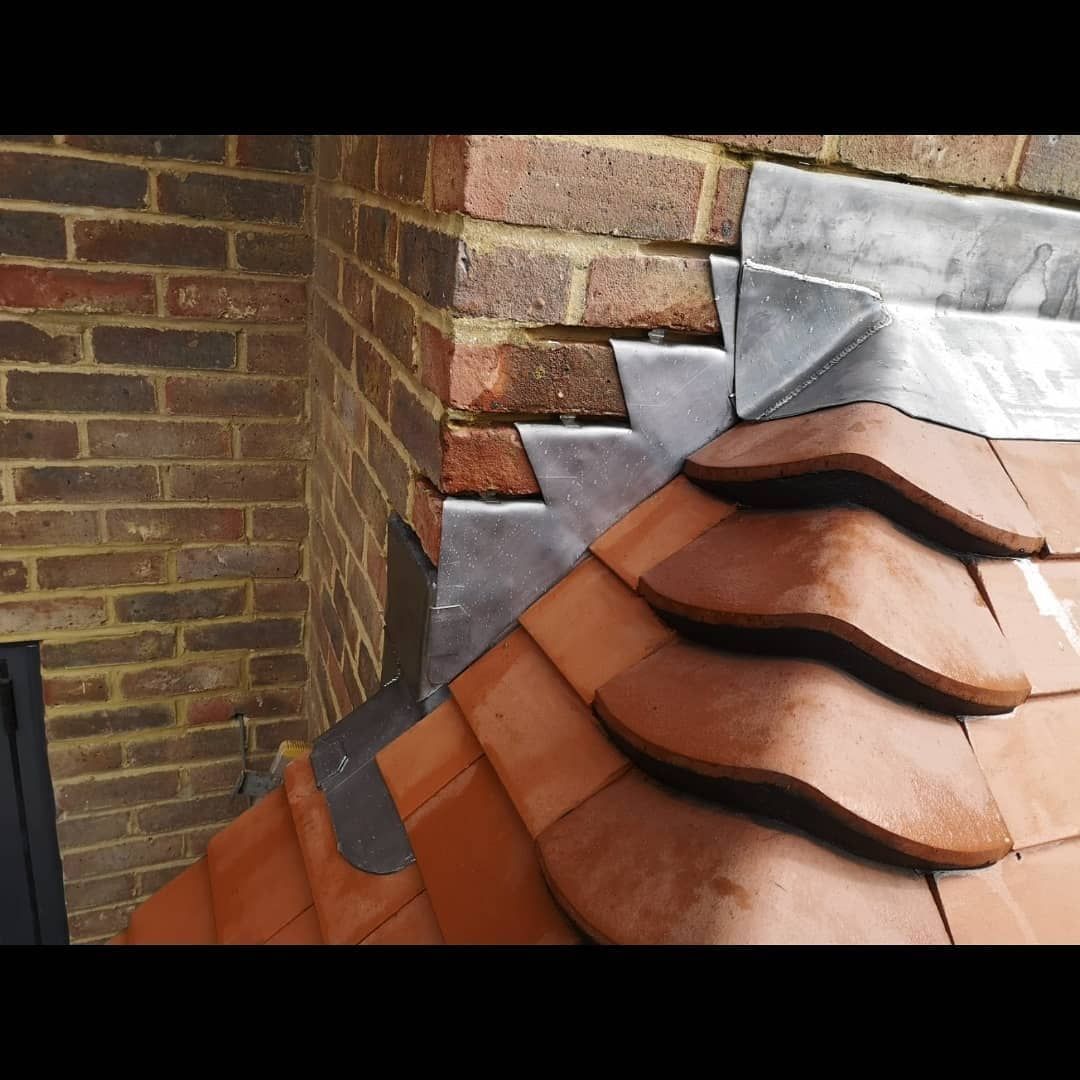
- Soakers — small lead pieces that sit under each individual tile course along the side of the chimney
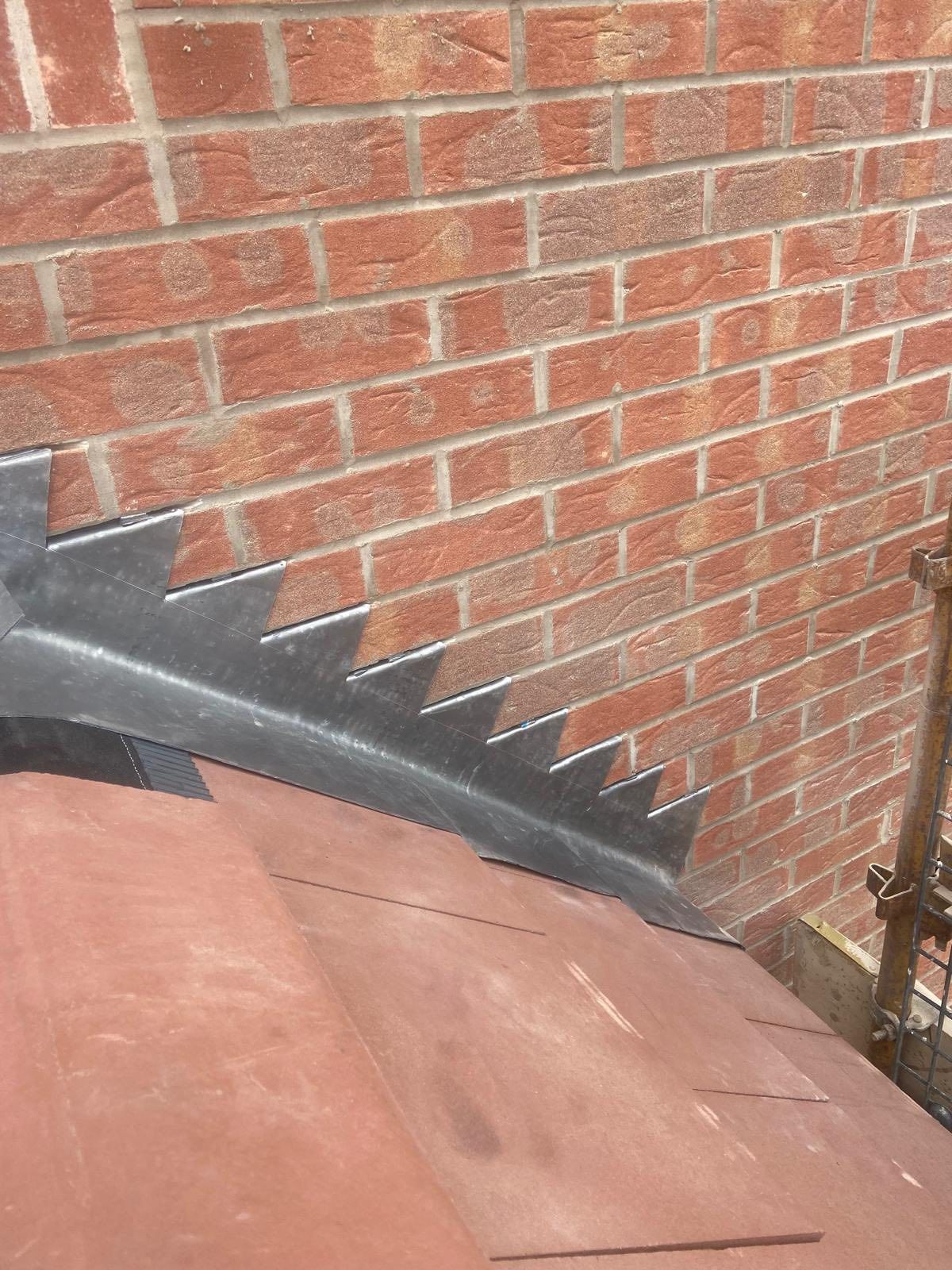
- Step flashings — lead sections that overlap the soakers and are wedged into the brick mortar joints in a stepped pattern
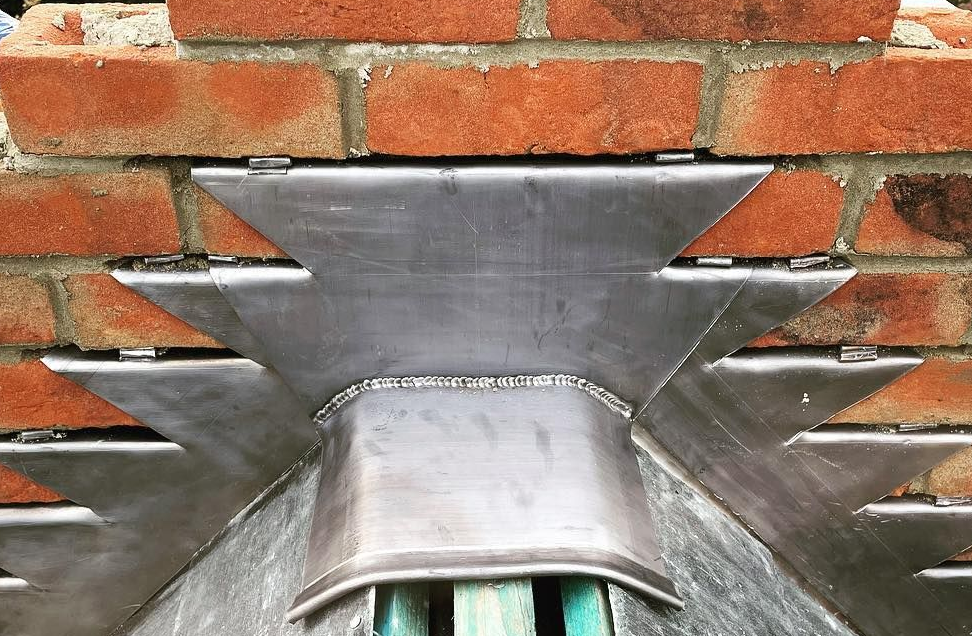
- Back gutter — a lead tray at the rear (high) side of the chimney that collects water running down the stack
Together these create a layered, weatherproof seal that moves with both the roof tiles and the masonry independently.
In Spondon and Chaddesden, we regularly work on post-war semi-detached houses where the original chimney soakers have never been replaced. When the pointing fails on these stacks, water tracks down behind the step flashings. The fix is a full strip-and-relay of both the soakers and the steps — not just repointing the mortar, which will not stop the underlying problem.
What a Full Chimney Leadwork Job Includes
- Step flashings along both sides of the stack, dressed into the mortar joints
- Apron flashing at the front (low) side
- Back gutter at the rear (high) side
- All sections cut to the correct length and dressed tight to the brickwork
- Pointed with appropriate lead-compatible sealant
- Finished with patination oil to prevent brickwork staining
Keepng Your Leadwork in Good Shape Year After Year
Good leadwork does not need constant attention. But a quick visual check once a year — ideally in early spring after the winter weather has passed — catches small problems before they turn into a call-out.
Three Simple Annual Checks
- Valleys and gutters: Clear any leaves, moss, or debris sitting against the lead surface. This is the most common maintenance issue we see across Derby.
- Flashing edges: Check from the ground for sections that have lifted or pulled away from the wall. Binoculars help.
- Brickwork above flashings: Look for white staining or damp patches that suggest water is bypassing the lead.
In areas like Darley Abbey, where mature trees overhang residential rooflines, leaf build-up in lead valleys over autumn traps moisture against the metal and accelerates surface wear. Clearing valleys each autumn takes ten minutes and adds years to the life of the lead.
If you spot anything concerning, call us before the problem reaches the roof structure.
We offer a free inspection and can typically visit properties across Derby within a few days of your call.
Frequently Asked Questions About Leadwork & Flashings in Derby
What is leadwork in roofing?
Leadwork in roofing refers to the use of shaped lead sheets to seal and weatherproof the joints, edges, and penetrations on a roof — including chimney flashings, roof valleys, flat roof edges, and around skylights or dormer windows. It stops rainwater entering the junctions between roof materials and channels it safely away from the building structure.
How long does lead flashing last on a Derby roof?
Lead flashing correctly installed to BS EN 12588 and BS 6915 can last between 50 and 100 years or more. Its lifespan depends on the lead code used, the quality of installation, and whether debris is cleared from valleys regularly. Cheaper alternatives fitted by less experienced contractors often fail within 10–15 years.
How much does leadwork cost in the UK?
Lead flashing work varies significantly depending on the location, lead code required, access difficulty, and the extent of any substrate repairs needed. A single chimney flashing repair will cost considerably less than a full valley reline or flat roof lead covering. We offer a free survey and no-obligation quote for all leadwork across Derby — call 01332-529704 to arrange yours.
What is the British standard for leadwork?
Two key standards apply. BS EN 12588 governs the manufacture and quality of rolled lead sheet. BS 6915 sets out the installation requirements — covering chase depths, bay lengths, overlaps, fixings, and movement allowances. All our leadwork at Derby Roofers is carried out to both standards.
Why is my chimney leaking even though the flashing was repointed?
Repointing the mortar joint only addresses the pointing — not the lead sheet itself. If the lead is cracked, has pulled free from the chase, or the soakers underneath have corroded or never been fitted correctly, repointing will not stop the leak. The lead needs to be inspected and in many cases stripped and completely relaid.
Can lead flashing be repaired rather than replaced?
Yes, in many cases. Small lifts, isolated cracks, and failed pointing can often be repaired without stripping the full section. We carry out a survey first to confirm whether a targeted repair or a full strip-and-relay is the right approach for your specific situation.
Does leadwork need planning permission in Derby?
Like-for-like leadwork repair or replacement is permitted development and does not normally require planning permission. If your property is within one of Derby's conservation areas — such as Friar Gate or parts of the Cathedral Quarter — or is a listed building, the materials may need to match the original specification. We can advise you on this before any work starts.
Do you carry out leadwork on flat roofs as well as pitched roofs?
Yes. We work with lead on parapet copings, flat roof edges and bays, around soil vent pipes, and at dormer cheeks and abutments. Code 5, Code 6, or Code 7 lead is typically used for these applications, depending on bay width and exposure.
How do roofers in the UK charge for leadwork?
Day rates for specialist leadwork in the UK vary by region and experience level. Most reputable roofing contractors charge by the job rather than a day rate — which gives you certainty on cost before work begins. Derby Roofers provides a written, fixed-price quote after a free survey. Call
01332-529704 for yours.
Areas We Work — Leadwork & Flashings Across Derby & Derbyshire
Derby Roofers proudly serves homeowners and businesses throughout Derby city and the wider Derbyshire area. Our local teams cover:
Derby City Areas:
- Derby City Centre (DE1)
- Allestree, Mackworth & Quarndon (DE22)
- Mickleover (DE3)
- Littleover & Normanton (DE23)
- Chaddesden, Oakwood & Spondon (DE21)
- Alvaston, Crewton & Osmaston (DE24)
Surrounding Derbyshire Towns & Villages:
- Belper (DE56)
- Ripley (DE5)
- Ilkeston (DE7)
- Heanor (DE75)
- Swadlincote (DE11)
- Ashbourne (DE6)
- Matlock (DE4)
- Borrowash & Draycott (DE72)
- Etwall & Hilton (DE65)
- Melbourne & Chellaston (DE73)
- Duffield & Little Eaton (DE56 / DE21)
- Breadsall & Darley Abbey (DE21 / DE22)
- Long Eaton (NG10)
- Castle Donington (DE74)
Not sure if we cover your area? Call us on 01332-529704 and we'll be happy to help.
Ready to Book Your Free Leadwork Survey in Derby?
If your roof has a failed flashing, a leaking chimney, or leadwork that hasn't been checked in years, now is the right time to act. Small lead failures become expensive structural problems quickly — especially through a Derby winter.
Derby Roofers has been serving homeowners and commercial property owners across Derbyshire for over 20 years. We carry out all leadwork to BS EN 12588 and BS 6915, use the correct lead code for every application, and complete each job with patination oil finishing as standard.
- ✅ Free roof survey — including drone inspection
- ✅ No-obligation written quote
- ✅ 24-hour service available for urgent leaks
- ✅ All work fully guaranteed
- ✅ Fully insured roofing contractors
Call us today on 01332-529704, email
info@derbyroofers.co.uk, or use our online contact form to book your free leadwork inspection across Derby and Derbyshire.