Derby Roofers
Pitched Roof Installation Services
Call us now book a FREE consultation and FREE Quotation
FREE Drone Survey Available
Call: 01332-529704
Pitched Roof Construction Derby — Built Right, Built to Last
We Are Your Trusted, Local Pitched Roofing Contractor Serving Derby & Derbyshire
Don't wait — contact Derby Roofers today for a FREE quote and a FREE drone roof survey.
📞
Call Now: 01332-529704
We carry out pitched roof construction in Derby for homeowners and businesses right across the city and the wider Derbyshire area. Whether you need a brand new roof structure, a full replacement, or a pitched roof on a new extension, our team is ready to help. We have been building and replacing pitched roofs across Derby for over 20 years — from Victorian terraces in Normanton and Pear Tree to modern extensions in Mickleover and new builds in Littleover.
Pitched roofs are the most common roof type on UK homes — and for good reason. They shed water fast, handle Derbyshire's wet winters well, and last for decades when built correctly. This page covers everything you need to know before booking — construction methods, materials, regulations, insulation, and local planning rules.
Call us on 01332 529704 for a free roof inspection and written quote. No call-out fee. No obligation.
What Is Pitched Roof Construction?
A pitched roof is any roof with a sloped surface that directs rainwater away from the structure. In the UK, a roof is generally considered "pitched" when its angle is greater than 10°. Most Derby homes have a pitch between 30° and 50°, which works well with the clay tiles, concrete tiles, and natural slate used widely across the city.
Pitched roofs offer several key advantages over flat alternatives:
- Better drainage — water runs off quickly, reducing leak risk
- Longer lifespan — quality pitched roofs can last 50 years or more
- More loft space — steeper pitches create usable roof voids
- Lower maintenance — fewer repairs needed over time compared to flat roofs
- Better insulation potential — easier to achieve high thermal performance
- Higher property value — traditional appearance appeals to buyers
If you are unsure whether your roof needs a repair, a partial replacement, or a full new build, we offer a free drone roof survey across Derby and Derbyshire — with no scaffolding and no obligation.
The Right Pitch Angle Makes or Breaks Your Roof Build in Derby
The pitch angle of your roof affects everything — how water drains, which tiles you can use, and how your roof holds up through Derby's cold, wet winters.
Most Derby homes sit in the 30° to 50° pitch range. This works well with the concrete, clay, and slate tiles used across the city. Get the angle wrong and water backs up under tiles. Get it right and your roof performs for decades.
The tile or slate you choose sets a minimum pitch requirement. Here is a quick guide:
- Concrete interlocking tiles — from around 15°
- Natural slate — from around 20°
- Clay plain tiles — from around 35°
- Synthetic lightweight tiles — from around 15°, depending on the product
Shallower pitches are common on modern extensions in Littleover and Mickleover. For these, we select tiles rated for low-pitch work and follow BS 5534 guidance throughout. Steeper pitches suit the older terraced streets of Normanton and Pear Tree, where traditional clay tiles are still the right match for the building.
We assess every roof individually. We will tell you what pitch works for your property and your chosen material — before any work begins.
Cut Roof or Trussed Roof — Choosing the Right Construction Method
There are two main ways to build a pitched roof structure in Derby. The method we recommend depends on your building, your budget, and how you plan to use the space.
Traditional Cut Roofs
Cut roofs are built on-site, timber by timber. Each rafter is measured and cut to fit your specific roof shape. This method suits:
- Complex or irregular roof shapes
- Older Derby properties with non-standard dimensions
- Any home where you want to use the roof space as a habitable loft room
- Properties in conservation areas like Darley Abbey that need sympathetic detailing
Cut roofs take longer to build and cost more upfront. But they give you full design flexibility and are the only practical choice for a future loft conversion.
Trussed Roofs
Trussed roofs use factory-engineered timber frames delivered to site and erected quickly. They are the standard choice on new-build estates across Derby.
Key points:
- Faster to install — ideal for tight build programmes
- More cost-effective on standard rectangular builds
- The most common type used on Derby's post-war housing developments
- Must not be modified after installation without a structural engineer's assessment
If you are thinking about converting your loft later, discuss this with us before we build. A standard trussed roof cannot simply be opened up — you either need a cut roof from the start, or a specially designed attic truss.
We help you make the right call before a single piece of timber is cut.
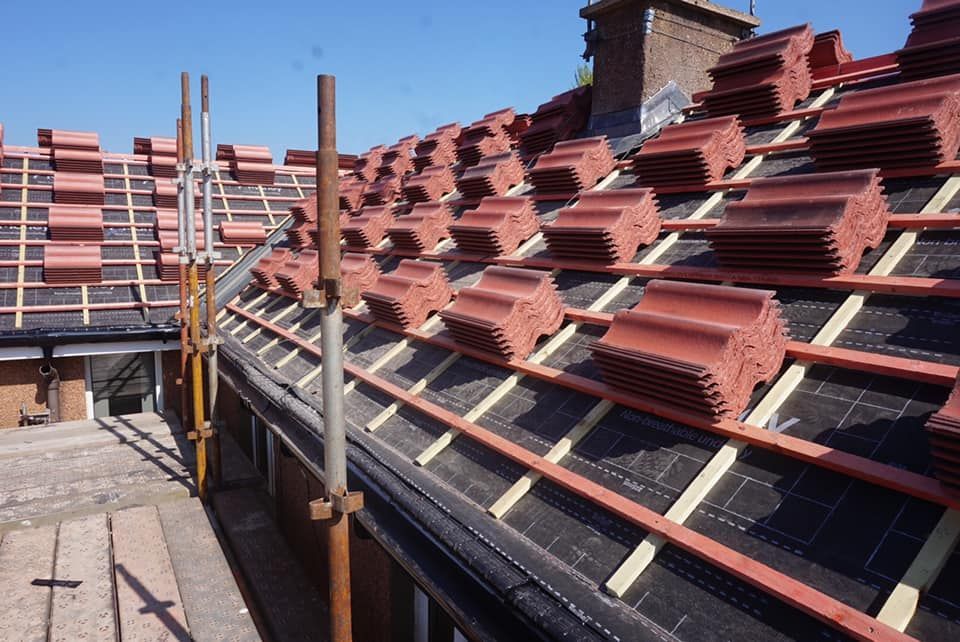
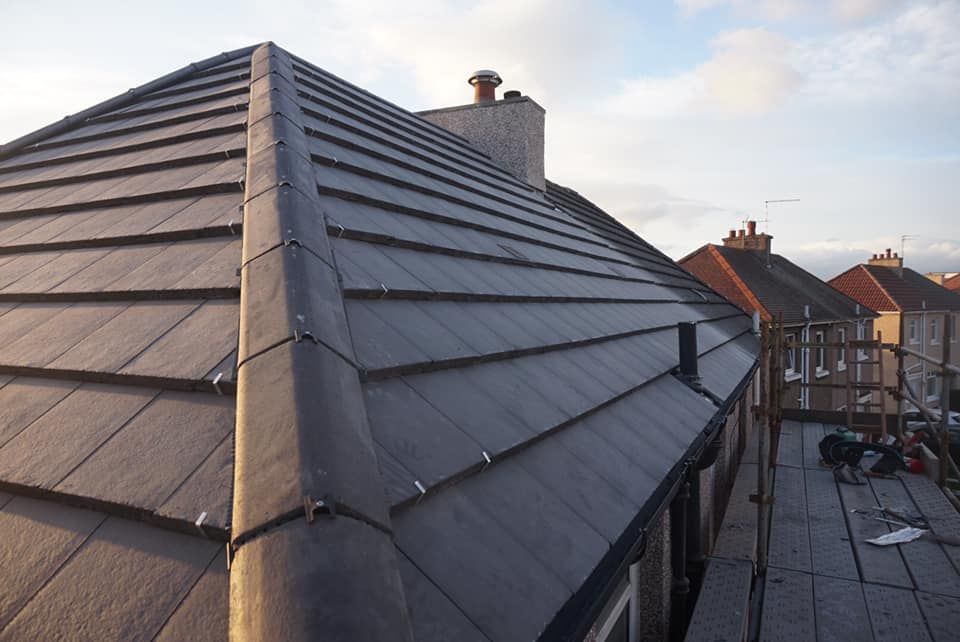
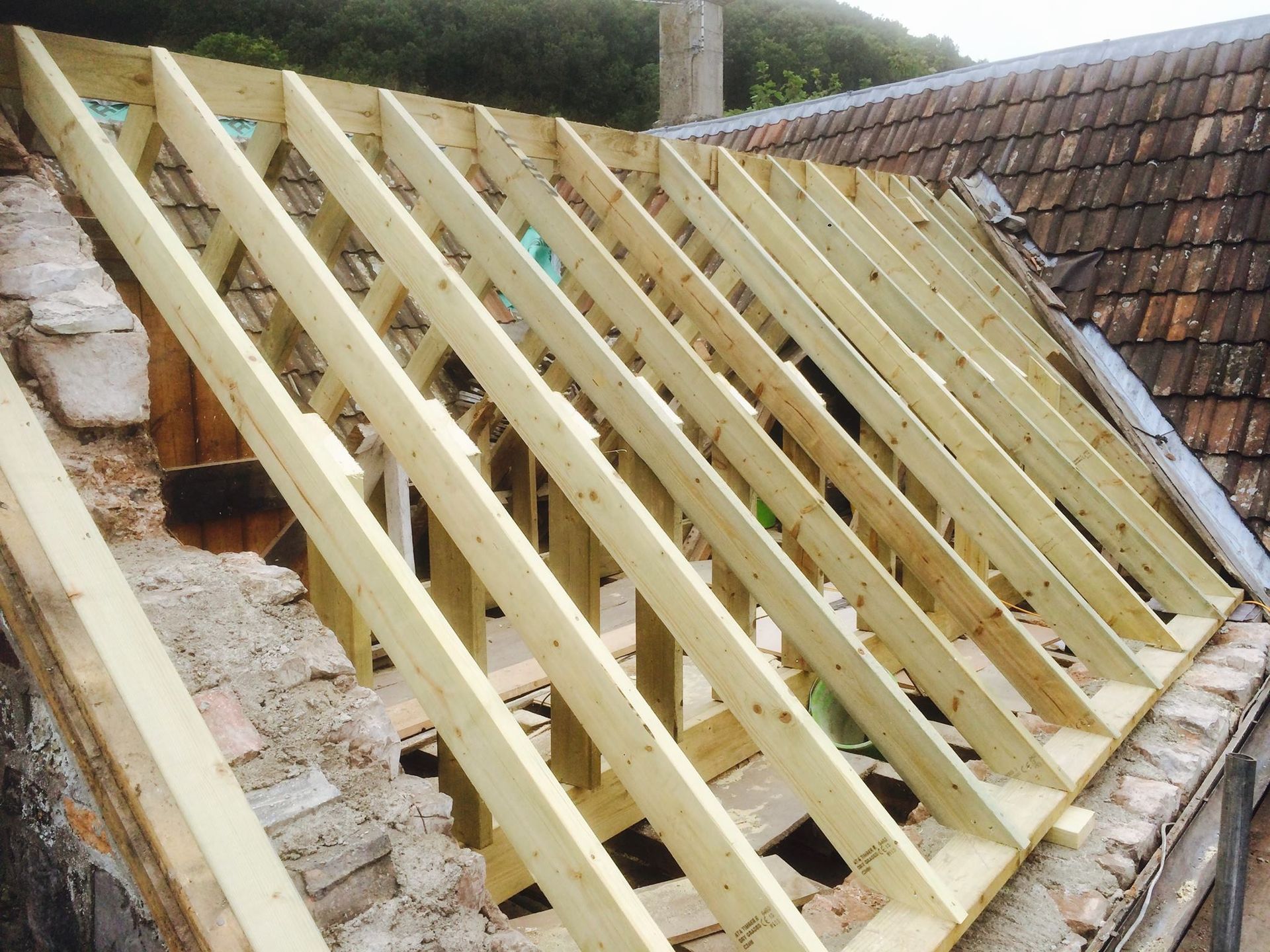
How a Pitched Roof Is Properly Constructed — From Wall Plate to Ridge
Understanding what goes into a pitched roof helps you know what good work looks like — and spot poor workmanship before it costs you money. Here is how we build a pitched roof in Derby, step by step.
1. Wall plates — Timber bedded level on top of the load-bearing walls. These anchor the roof to the structure and distribute the load evenly across the masonry.
2. Rafters — Fixed from the wall plate up to the central ridge board. Size and spacing are calculated for the roof span, the tile weight, and local wind and snow loads.
3. Purlins — Horizontal support beams added for longer rafter runs. Common on older Derby properties with wide roof spans — particularly pre-war semis and terraces in Alvaston and Spondon.
4. Breather membrane — Laid over the rafters before battening. This layer keeps wind and rain out while letting moisture vapour escape from the roof structure. All-weather installation — no waiting for dry spells.
5. Battens — Fixed at the correct gauge for your chosen tile type and pitch angle. The gauge controls how each tile overlaps the one below and is critical for weather-tightness.
6. Tiles or slates — Fixed to the battens and matched to the pitch, location, and property type. Dry-fix ridge and eaves systems are fitted as standard on every roof we build — no mortar-bedded ridges.
7. Valleys, hips, and verges — These junctions carry the highest water load and the greatest risk of ingress. We use valley trays, correct flashings, and dry-fix systems throughout.
Many older homes in Alvaston and Spondon have original cut roofs that need full reconstruction. We handle these jobs regularly — matching existing tile profiles where possible and bringing the full structure up to current BS 5534 standards.
Pitched Roof Covering Options — Matching the Right Material to Your Derby Home
Choosing the right roof covering is one of the most important decisions in any pitched roof project. The wrong material can void a manufacturer's warranty, cause leaks, and fail a building regulations inspection. We work with all the main materials used across Derby's varied housing stock.
Natural Slate
- Durable, long-lasting, and well-suited to older Derby properties
- The right choice for conservation-sensitive areas such as Darley Abbey
- Minimum pitch around 20°
- Lightweight compared to concrete — important on older roof structures
Concrete Interlocking Tiles
- The most common covering on Derby's post-war semis and new builds
- Suitable from around 15° pitch
- Wide range of profiles and colours
- Cost-effective and readily available
Clay Plain Tiles
- Traditional appearance — common on older terraced housing in Normanton, Pear Tree, and the city centre
- Require a steeper pitch of around 35° or above
- Excellent longevity when properly maintained
Synthetic / Lightweight Tiles
- A modern alternative to natural slate or clay
- Ideal for re-roofing where the existing structure cannot carry heavier materials
- Suitable from around 15° pitch, depending on the product
Weight is a key factor on re-roofing jobs. If you want to replace a lightweight slate covering with heavier concrete tiles, the timber structure must be assessed first. We check load capacity on every re-roof before specifying any covering — at no extra charge.
Insulating Your Pitched Roof the Right Way in Derby
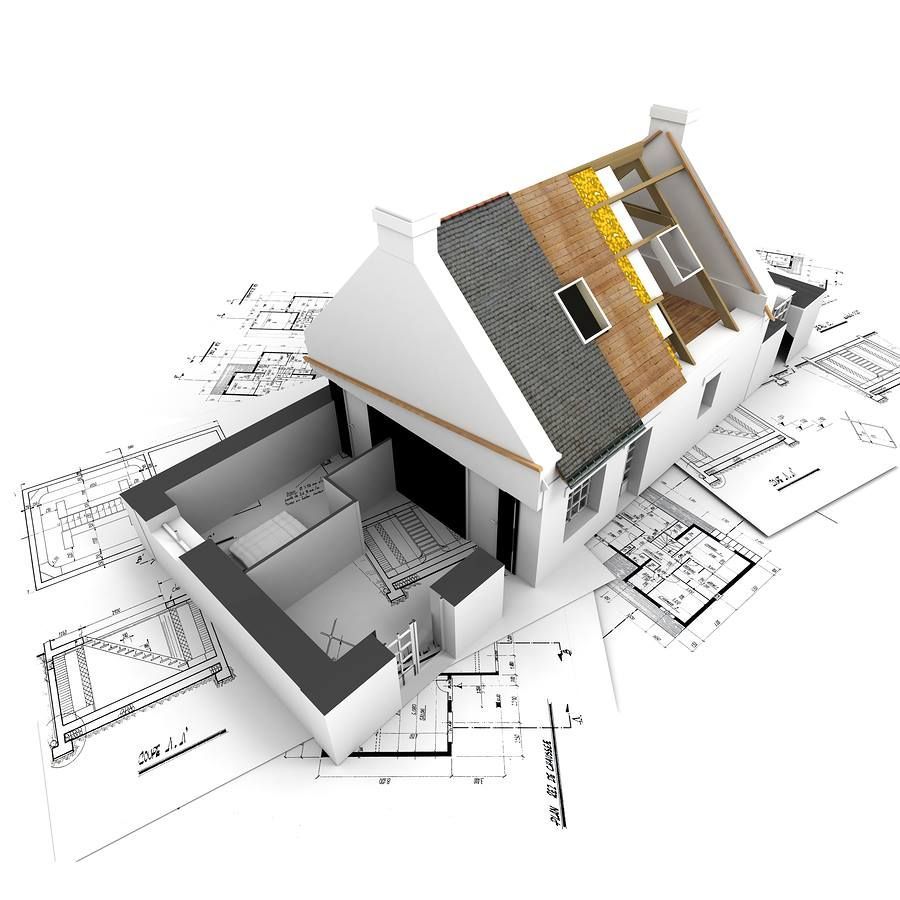
Good insulation cuts heat loss, lowers energy bills, and keeps your roof compliant with Part L of the Building Regulations. Derby's cold winters put real pressure on poorly insulated roofs — and an under-insulated pitched roof can account for a significant proportion of a home's total heat loss.
Cold Roof Insulation
Insulation is placed at ceiling joist level, below the roof space. This is the right choice when you do not plan to use the loft as a room. It is more straightforward to install and lower in cost. The loft space above remains cold and unheated — which is fine if it is used only for storage.
Warm Roof Insulation
Insulation is placed between or above the rafters, bringing the roof structure within the thermal envelope. This is the correct method for habitable loft rooms and delivers better energy performance across the board.
Hybrid Systems
We also install hybrid insulation systems that combine both approaches — useful on older Derby properties with irregular roof structures or where partial upgrades are needed to bring performance up to Part L standards.
Whatever system we install, roof ventilation is maintained throughout. Condensation in roof spaces is a common and recurring problem on older semis in Chaddesden and Littleover — often caused by blocked or poorly upgraded ventilation. We check for this on every survey and correct it as part of the build.
All our insulation work is Part L compliant. We advise you on the right system for your property, your budget, and your plans for the space.
Building Regulations Every Derby Homeowner Must Meet for Pitched Roof Work
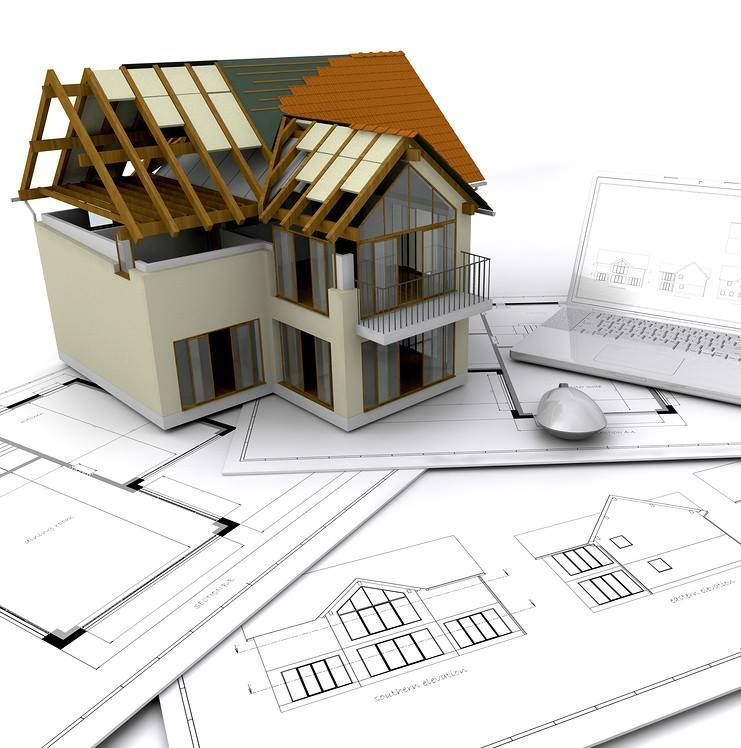
Any significant pitched roof work in Derby requires building regulations approval. This includes new roofs, full replacements, structural changes, and insulation upgrades. Derby City Council building control enforces England's Building Regulations 2010 — and we work to them on every job we carry out.
The key regulations that apply to pitched roofs are:
- Part A (Structure) — your roof must safely carry its own weight plus snow, wind, and maintenance loads
- Part B (Fire safety) — materials must limit fire spread, particularly near party walls on Derby's terraced streets
- Part L (Energy efficiency) — insulation must achieve a U-value of 0.15 W/m²K or better on new builds
- BS 5534:2014+A2:2018 — governs all slating and tiling work; requires dry-fix ridges and eaves on new and replacement roofs
Like-for-like repairs and minor maintenance generally do not need building regulations approval. However, it is always worth checking — and we advise you on this as a standard part of every free survey we carry out.
Planning Permission Rules for Pitched Roof Changes in Derby
Planning permission and building regulations are two separate legal requirements. Both can apply to the same job. Confusing them is one of the most common mistakes Derby homeowners make — and it can result in enforcement action and costly remedial work.
For most standard pitched roof replacements in Derby, planning permission is not needed. Like-for-like material changes and routine re-roofing fall under permitted development rights.
Planning permission is likely needed if you are:
- Changing the roof shape or raising the ridge height
- Adding dormers or roof lights that alter the roofline profile
- Altering a roof in a Derby conservation area — including parts of Darley Abbey and the Cathedral Quarter
- Carrying out any work on a listed building, which requires listed building consent regardless of scale
The current householder planning application fee in England is £206. Additional costs apply if architectural drawings or structural calculations are required. We advise on planning requirements as part of every free survey — and if consent is needed, we will tell you clearly before work starts, not after.
How Long Does Pitched Roof Construction Take in Derby?
This is one of the most common questions we get — and the honest answer is: it depends on the size and complexity of your roof.
As a general guide for Derby homeowners:
- A straightforward re-roof on a standard semi — typically 3 to 5 working days
- A full cut roof replacement on a larger detached property — typically 1 to 2 weeks
- A new pitched roof on an extension — typically 2 to 4 days once the structure is ready
- Complex jobs with valleys, dormers, or conservation area detailing — 2 to 4 weeks
Weather always plays a part. We aim to complete every Derby job without unnecessary delays, and we keep you informed throughout. We also tidy up at the end of every working day — your property is left clean and secure overnight throughout the build.
Why Derby Homeowners Choose Derby Roofers for Pitched Roof Construction
We are not the cheapest roofer in Derby. We are the roofer who does the job right the first time.
- Over 20 years building and replacing pitched roofs across Derby and Derbyshire
- Fully qualified and fully insured — public liability covers your property throughout
- No subcontractors — the team that quotes your job is the team that carries it out
- Free drone roof survey — inspect before you commit, with no scaffolding needed
- Written quotations provided — no hidden costs, no surprise bills
- BS 5534 compliant on every job — dry-fix ridges and eaves as standard
- Part L insulation advice included — we flag energy efficiency issues during every survey
- We answer the phone — or call back the same day
Frequently Asked Questions About Pitched Roof Construction in Derby
What is pitched roof construction and how does it differ from a flat roof?
Pitched roof construction involves building a sloped roof structure — typically above 10° — that drains water away from the property. Flat roofs are near-horizontal and use different materials and drainage systems. In Derby, pitched roofs are far more common on residential properties and generally offer a longer lifespan and lower maintenance costs over time.
How much does pitched roof construction cost in Derby?
The cost depends on the size of the roof, the construction method, and the materials chosen. A straightforward re-roof on a typical Derby semi using concrete tiles will cost less than a full cut roof rebuild using natural slate on a larger detached property. We provide free written quotations for every job — call 01332 529704 to book your free survey and get an accurate price for your specific roof.
How long does a new pitched roof last?
A well-built pitched roof using quality materials can last 50 years or more. Natural slate roofs, when correctly installed and maintained, often outlast the buildings beneath them. Concrete tile roofs typically last 30 to 50 years. The quality of the installation — membrane, battens, fixings, and detailing — has as much impact on longevity as the tile choice itself.
Do I need building regulations approval for a new pitched roof in Derby?
Yes — new roofs and structural changes always require approval from Derby City Council building control. Like-for-like repairs and minor maintenance typically do not, but it is always worth confirming before work begins. We advise on this as part of every free survey.
Do I need planning permission to replace a pitched roof in Derby?
Not usually for like-for-like replacements. If you are changing the roof profile, raising the ridge height, working in a Derby conservation area, or altering a listed building, planning consent will likely be needed. We advise on planning requirements as standard — before any work starts.
What type of pitched roof construction is best for a loft conversion in Derby?
A traditional cut roof gives you the open, usable roof space needed for a habitable loft room. Standard trussed roofs fill the space with structural timber and cannot simply be removed — they require a full structural engineer's assessment before any conversion takes place. If you are thinking about a loft conversion, tell us before we build or replace the roof — it changes the specification.
What is the minimum roof pitch for tiles on a Derby home?
It depends on the tile type. Concrete interlocking tiles can go from around 15°, natural slate from around 20°, and clay plain tiles from around 35°. All minimum pitches are governed by BS 5534 and the tile manufacturer's specification. We advise on the correct minimum for your chosen covering on every job.
What does BS 5534 mean for my pitched roof in Derby?
BS 5534 is the UK code of practice for slating and tiling. It sets minimum pitch requirements, tile lap specifications, and wind-load fixing requirements. Crucially, it requires dry-fix ridge and eaves systems on all new and replacement pitched roofs. We fit dry-fix systems as standard on every roof we build in Derby — mortar-bedded ridges are no longer considered best practice.
Can a pitched roof be converted from a flat roof?
Yes — converting a flat roof to a pitched roof is one of the more significant structural changes you can make to a property. It requires both planning permission and building regulations approval in most cases, plus structural calculations. We carry out flat-to-pitched conversions across Derby and Derbyshire. Call us to discuss your property and we will advise you honestly on feasibility and what is involved.
What signs tell me my pitched roof needs replacing rather than repairing?
Look out for: sagging sections of the roof plane, widespread tile failure or cracking, persistent leaks that keep returning after repairs, visible daylight in the loft, rotting or failing roof timbers, or a roof that is approaching or past 40 to 50 years old.
If you are unsure, book our free drone roof survey. We will inspect the structure and tell you honestly what it needs — repair or full replacement.
Areas We Work — Pitched Roof Construction Across Derby and Derbyshire
We carry out pitched roof construction, replacement, and repair across Derby and the surrounding Derbyshire area. Our team works daily in the following locations:
- Derby City Centre (DE1)
- Allestree, Mackworth & Quarndon (DE22)
- Mickleover (DE3)
- Littleover & Normanton (DE23)
- Chaddesden, Oakwood & Spondon (DE21)
- Alvaston, Crewton & Osmaston (DE24)
Surrounding Derbyshire Towns & Villages:
- Belper (DE56)
- Ripley (DE5)
- Ilkeston (DE7)
- Heanor (DE75)
- Swadlincote (DE11)
- Ashbourne (DE6)
- Matlock (DE4)
- Borrowash & Draycott (DE72)
- Etwall & Hilton (DE65)
- Melbourne & Chellaston (DE73)
- Duffield & Little Eaton (DE56 / DE21)
- Breadsall & Darley Abbey (DE21 / DE22)
- Long Eaton (NG10)
- Castle Donington (DE74)
Not sure if we cover your area? Call us on 01332-529704 and we'll be happy to help.
Ready to Book? Get a Free Pitched Roof Survey in Derby Today
If your pitched roof needs replacing, repairing, or building from scratch — this is the right time to act. Roofs left too long cost more to fix. A problem spotted now is a problem solved before it becomes a major expense.
We offer a free drone roof inspection and a written, itemised quote for every new enquiry in Derby and Derbyshire. No call-out fee. No pressure. No unnecessary work recommended.
Our team has been trusted by hundreds of Derby homeowners and businesses for over 20 years. We answer the phone. We turn up when we say we will. We do the job properly — and we stand behind every roof we build.
Call 01332 529704 now or visit derbyroofers.co.uk/contact-derby-roofers to book your free survey. Appointments available across Derby and Derbyshire — including evenings and weekends.