Derby Roofers
Pitched Roof Repair Service
Call us now book a FREE consultation and FREE Quotation
FREE Drone Survey Available
Call: 01332-529704
Pitched Roof Repairs Derby — Trusted Local Roofers for Fast, Lasting Fixes
We Are Your Trusted, Local Roofing Contractor Serving Derby & Derbyshire
Don't wait — contact Derby Roofers today for a FREE quote and a FREE drone roof survey.
📞
Call Now: 01332-529704
If you have a damaged or leaking pitched roof in Derby, you need a roofer who knows the area, turns up when they say they will, and only recommends work that is genuinely needed.
At Derby Roofers, we carry out pitched roof repairs across Derby and Derbyshire — from a single broken tile in Mickleover to full chimney flashing failures in Chaddesden. With over 20 years of experience repairing pitched roofs on Derby homes, we inspect first, explain clearly, and get the job done right.
Call us on 01332-529704 to book your free roof inspection. We answer the phone, and if we are on a job, we always call back.
What Is a Pitched Roof Repair?
A pitched roof repair is any targeted fix to a sloped roof that restores weatherproofing, structural integrity, or tile coverage — without needing a full re-roof.
Common pitched roof repair jobs include:
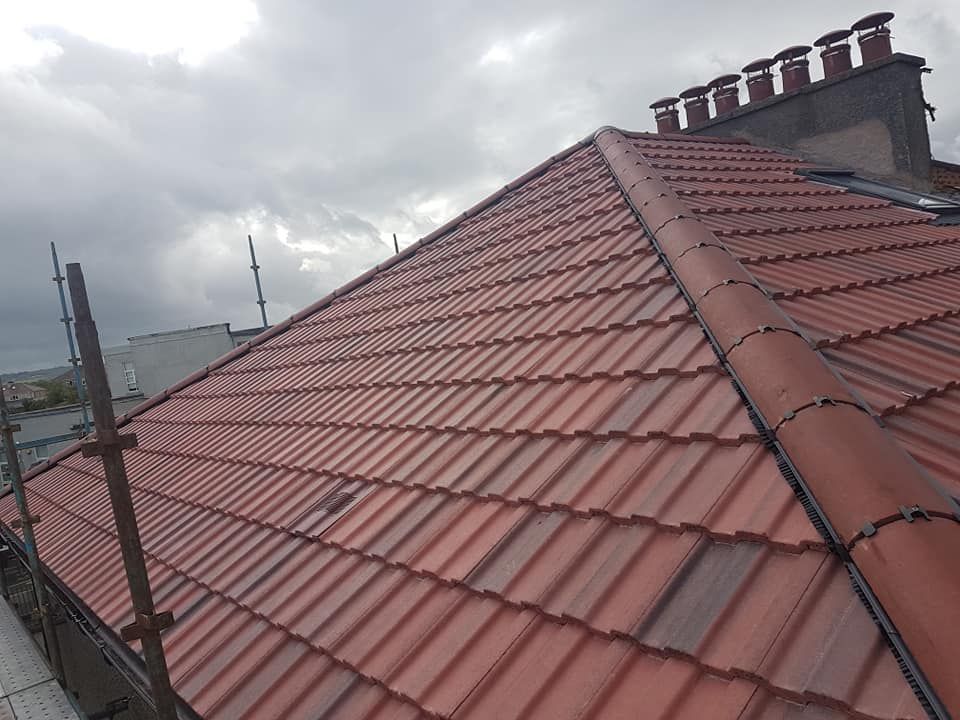
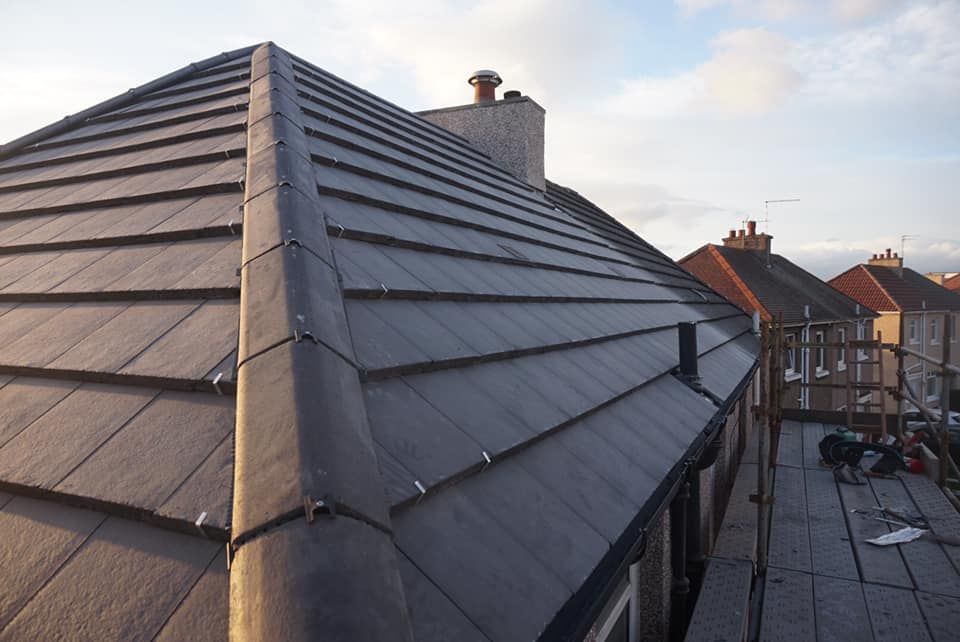
- Replacing broken, cracked, or missing roof tiles and slates
- Repointing or re-bedding loose ridge, hip, or verge tiles
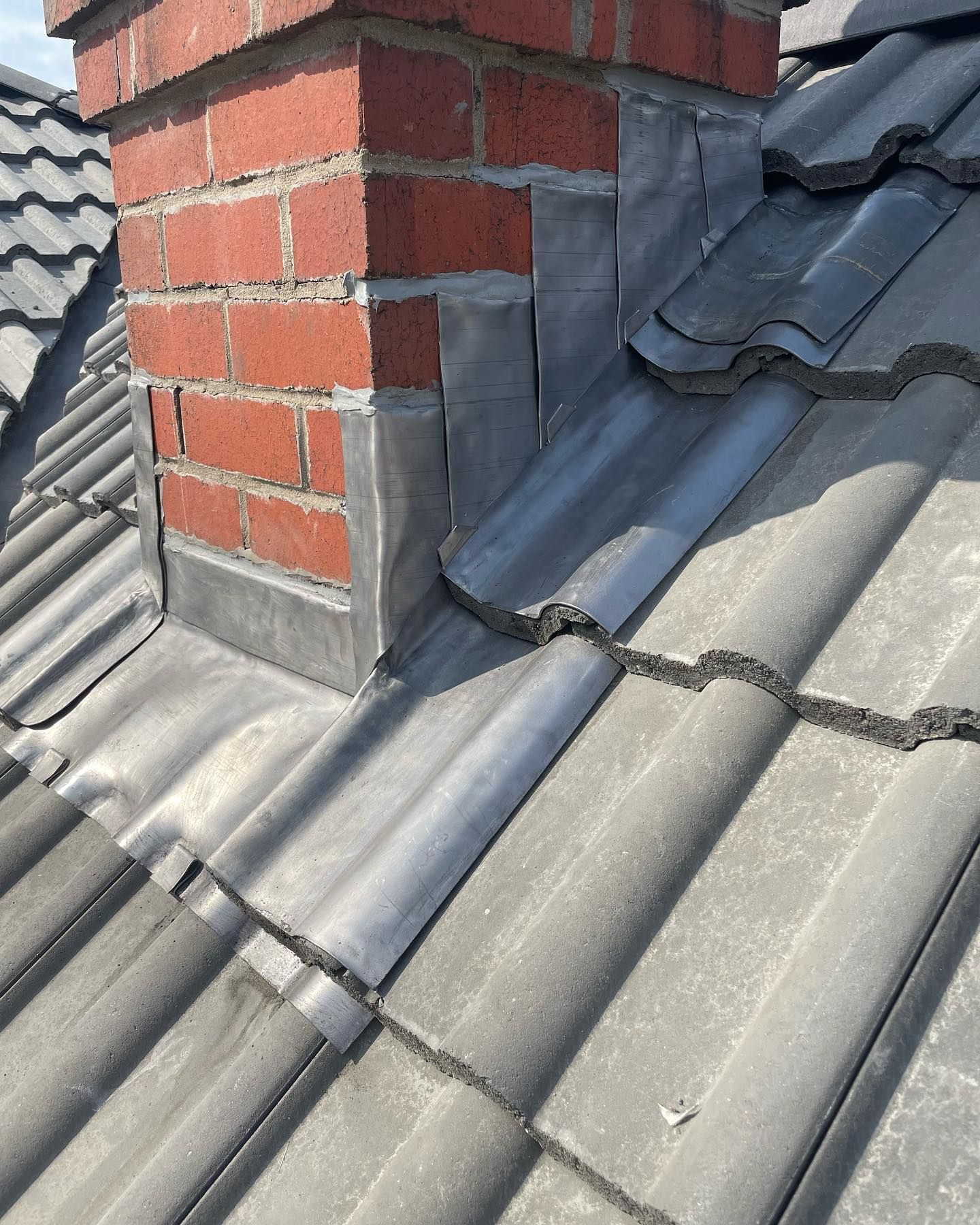
- Repairing or replacing lead flashing around chimneys, dormers, and skylights
- Fixing leaks traced to valleys, tile overlaps, or failed underlay
- Repairing sagging roof sections caused by rafter or purlin damage
- Clearing and repairing blocked roof valleys
- Rebedding mortar on chimney stacks and haunching
Most Derby homeowners do not need a full re-roof. A targeted repair, carried out correctly, will protect your home for years.
How to Spot Common Pitched Roof Problems Before They Worsen
Most pitched roof problems start small. A single cracked tile or a thin line of failed mortar may seem minor, but Derby's wet winters give water very little time to find a way in. Once water gets past the outer tiles, it soaks into the felt, the battens, and eventually the timbers below.
These are the most common warning signs we see on Derby rooftops:
- Missing, cracked, slipped, or lifting tiles or slates
- Dark stains or damp patches on ceilings or loft walls
- Daylight visible through the roof boards when looking up from the loft
- Granules or tile debris appearing in gutters or on the ground below
- Moss or algae build-up trapping moisture against tiles
- Loose or crumbling mortar around ridge tiles or chimney stacks
- Blocked or overflowing gutters causing water to back up under the eaves
- Sagging or uneven lines along the roofline
- A musty smell in upstairs rooms or the loft space
If you spot any of these, do not wait. Damage spreads fast once water is inside the roof structure.
The longer a roof problem is left, the more expensive it becomes to fix. Call us on
01332-529704 for a free roof inspection across Derby and Derbyshire.
Repair vs. Replace: How Derby Homeowners Can Make the Right Call
One of the most common questions we hear from Derby homeowners is: "Do I need a full new roof, or can it be repaired?"
A repair is the right choice when damage is contained to a specific area and the rest of the roof is structurally sound. A full re-roof makes more sense when problems are widespread, the roof is at the end of its working life, or repair costs are stacking up repeatedly.
Here is how we assess which route makes sense:
- Age of the roof — A roof approaching or beyond 50 years old with repeated repairs may be more cost-effective to replace
- Extent of tile damage — A handful of broken tiles is a repair job; widespread cracking or slipping across multiple slopes suggests deeper problems
- Condition of the felt and battens — If the underlay has failed or battens are rotten, repairing the outer tiles alone will not hold
- Structural integrity — Sagging rafters or signs of rot take the decision beyond tiles
- Frequency of past repairs — If you have called a roofer several times in recent years, a full survey is a better investment than another patch
- More than 25% of the roof affected — At this point, a full re-roof often becomes the more practical and cost-effective option
Many Derby homes — particularly Victorian and Edwardian terraces and semis in areas like Littleover, Allestree, and Normanton — have original roofs that have been patched repeatedly. We always give you an honest, written assessment before recommending any route.
Not Sure Which Route Is Right for You?
Call 01332-529704 and we will carry out a free drone survey and give you a straight answer.
How to Trace a Roof Leak to Its Source
A leak visible inside your property rarely starts directly above the wet patch. Water travels along rafters, battens, and felt before it drips through. Getting the diagnosis right the first time saves you from repeat call-outs and unnecessary work.
When we inspect a leaking roof in Derby, we work through these areas in order:
- Flashing first — The lead or code flashing around chimneys, dormers, and skylights is the most common entry point for water
- Ridge and hip tiles — Cracked or loose mortar here lets water run directly into the roof structure
- Roof valleys — Where two roof slopes meet, debris and moss can block water flow and cause pooling and damp
- Tile overlaps — A slipped tile just a few centimetres out of position can break the weather seal
- Felt and battens — If the outer tiles look intact but there is still a leak, the underlay may have split or battens have failed
- Gutter and eaves line — Overflowing gutters can force water back under the eaves and into the roof edge
- Party gable walls — In older terraces in Spondon, Chaddesden, and Alvaston, penetrating damp through shared gable walls is sometimes mistaken for a roof leak. We check for this on every inspection.
What Pitched Roof Repairs in Derby Actually Involve
Understanding what happens during a repair helps you know what to expect and how to prepare your home.
Before We Start
- We carry out a free drone inspection and report back to you before any work begins
- We explain exactly what needs doing and why — in plain language, no jargon
- We provide a written quote so you know the full scope before we begin
- Let us know if you have items stored in your loft, as vibration from work above can shift loose objects
What the Work Involves
- Scaffolding or safe access equipment is put in place — we never cut corners on working at height
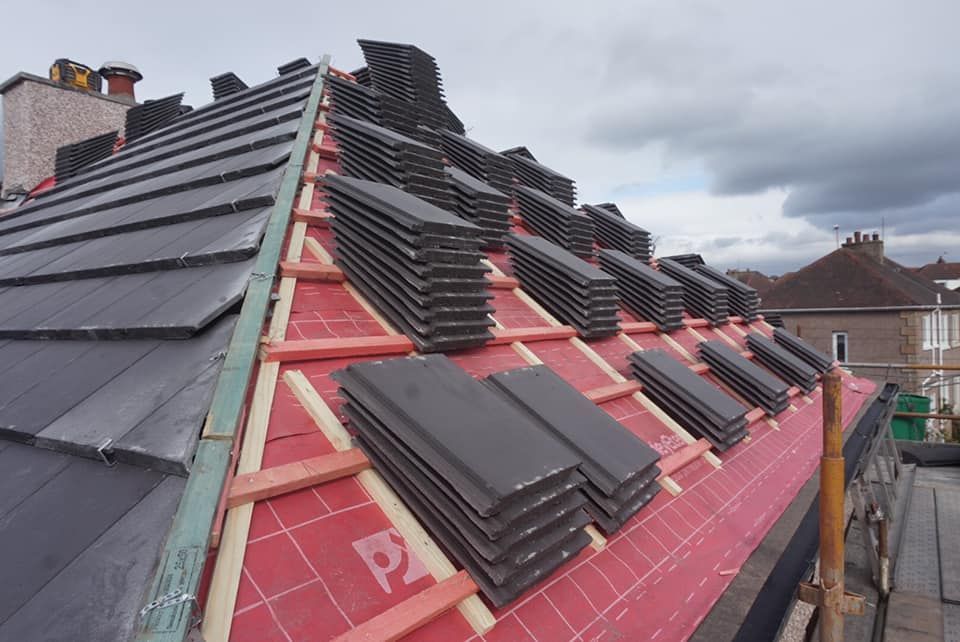
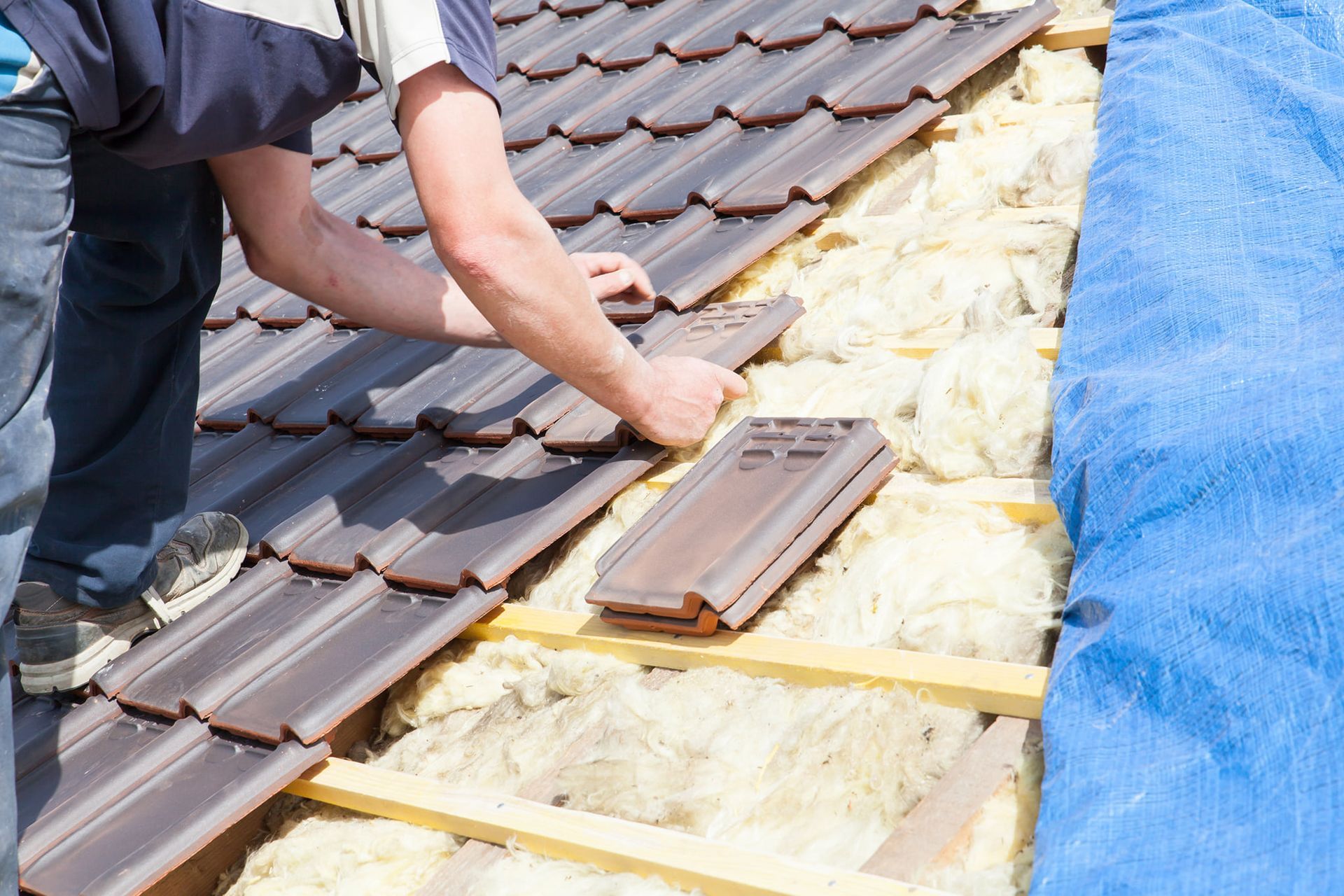
- Damaged or missing tiles are removed carefully to avoid disturbing surrounding tiles
- Battens and underlay beneath the affected area are checked and replaced if needed
- New tiles are fitted and matched to existing materials where possible — particularly important on older Derby properties with clay profiles or Welsh slate
- Ridge, hip, and verge mortar is repointed or re-bedded as required
- Dry ridge or dry verge systems can be fitted where mortar-based systems have repeatedly failed
- The completed repair area is checked for watertight integrity before we leave
After the Repair
- We clear all waste and debris from your property
- We walk you through what was done and advise on any maintenance to keep the repair in good condition
- We do not ask for full payment upfront — payment is on completion
Broken or Missing Tiles and Slates — What the Fix Actually Involves
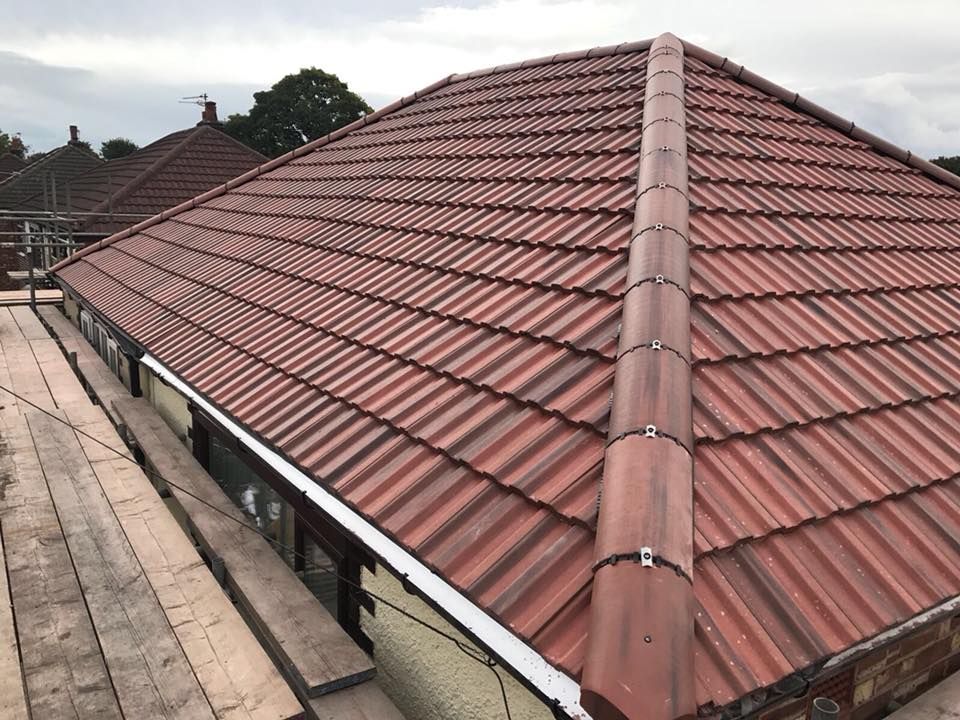
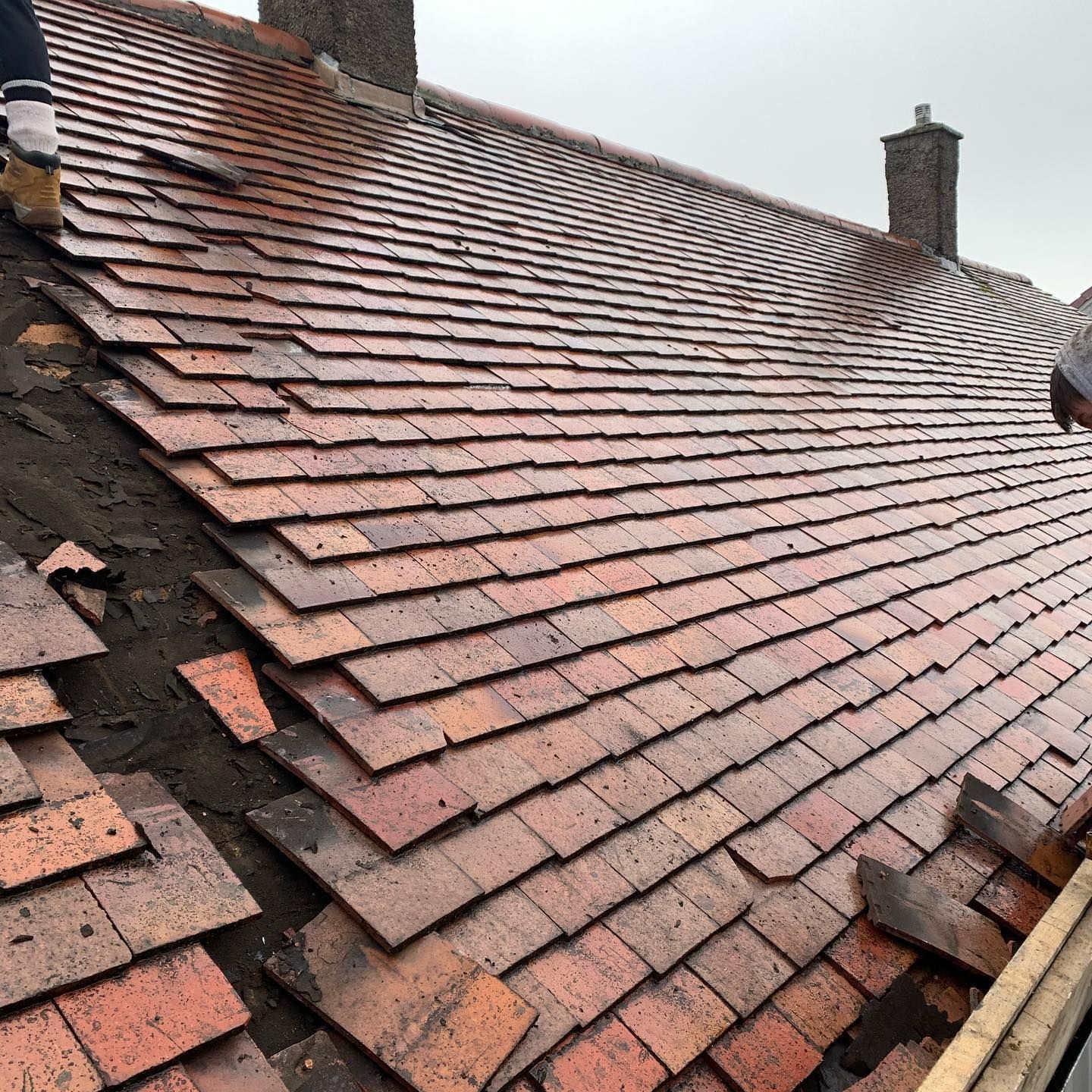
A broken or missing tile is the most common pitched roof repair we carry out across Derby and Derbyshire. It looks like a small job, but getting it right means checking more than just the tile itself.
When we replace a tile or slate, we:
- Remove the damaged tile without disturbing the adjacent tiles
- Inspect the batten and underlay beneath for signs of damage or water soaking
- Fit a matching replacement tile — important on older properties in Littleover and Allestree where original clay profiles need careful sourcing
- Check the surrounding tiles for hairline cracks or movement that could cause the next failure
- Mechanically fix tiles where wind uplift is a risk, particularly on exposed rooflines
Concrete, clay, and natural slate all behave differently in Derbyshire's climate. Freeze-thaw cycles through Derbyshire winters can crack tiles that look perfectly fine from the ground. We inspect the whole repair zone, not just the tile you can see is missing.
Tile and Slate Types We Work With
- Concrete interlocking tiles — the most common type on post-war Derby housing
- Clay plain tiles — common on Victorian terraces and cottages across Derbyshire
- Natural Welsh slate — found on older Derby properties and heritage buildings
- Fibre cement slates — a modern lightweight alternative
- Concrete and clay ridge, hip, and verge tiles
Why Flashing Fails and How to Get It Repaired Properly
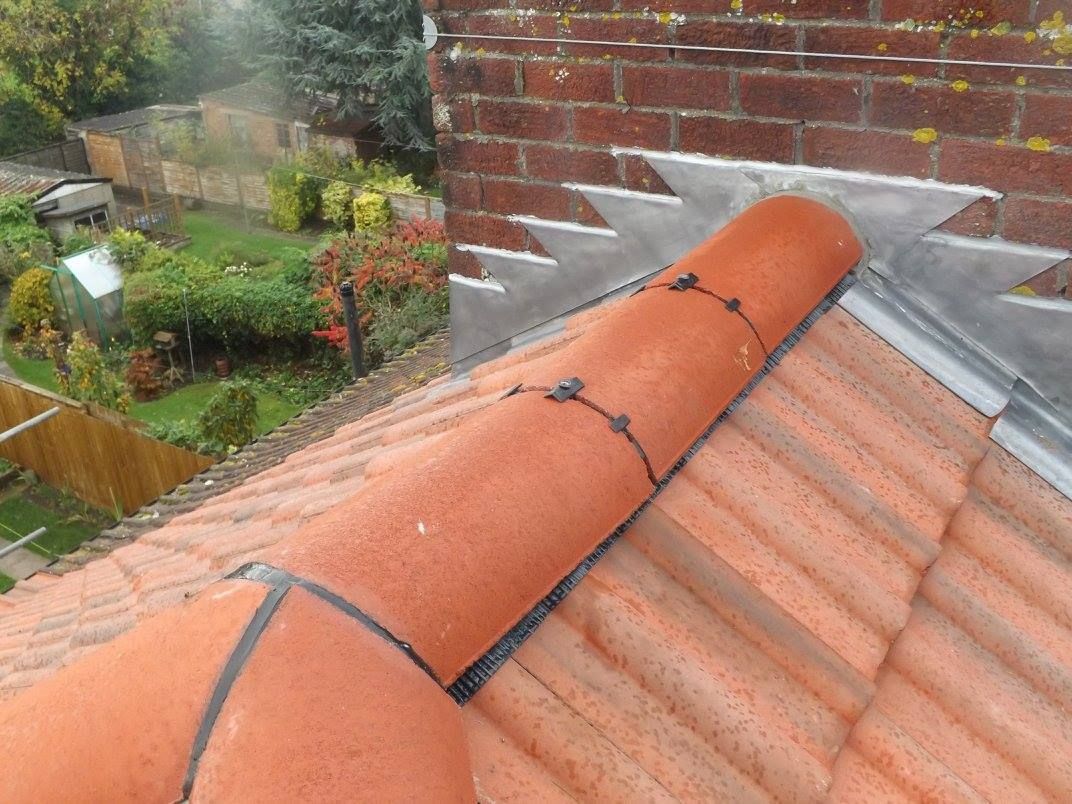
Flashing is the metal seal — usually lead or code metal — fitted where your roof meets a vertical surface such as a chimney stack, dormer wall, bay window roof, or skylight frame. When it fails, water runs directly into the roof structure. It is one of the most common causes of roof leaks we find across Derby.
Why Flashing Fails
- Mortar-bedded flashing cracks — Older properties in Normanton and Pear Tree often have flashing set into mortar joints. These shrink and crack through freeze-thaw winters
- Lead fatigue — Lead expands and contracts with temperature changes. Over many years this causes splits and lifted edges
- Poor original installation — Flashing never properly stepped or soaked into the masonry will work loose over time
- Wind uplift — Exposed gable ends and chimney stacks are prone to flashing being lifted in high winds
- Sealant over old flashing — If a previous roofer has applied mastic over failing flashing, this is not a permanent repair. We will assess whether the underlying flashing needs replacing properly
What the Repair Involves
- Removing failed mortar and cleaning back the joint
- Re-dressing or replacing lead flashing with correctly stepped and soaked sections
- Using Code 4 or Code 5 lead for durability in line with current standards
- Sealing with appropriate mortar as the job requires
- Checking adjacent flashing runs that may be at a similar stage of failure
Sagging Roofs in Derby: Causes, Risks, and Next Steps
A sagging roofline is one of the more serious signs we get called out for in Derby. It almost always means the issue has moved beyond the tiles and into the roof structure itself. If you notice a dip in the ridge, an uneven slope, or a bouncing feel to ceilings directly below — contact us promptly.
Common Causes of Roof Sagging in Derby
- Rafter damage — Rafters weakened by long-term water ingress or rot bow under the weight of the tiles above
- Purlin failure — The horizontal timbers supporting the rafters can split or slip, causing a roof section to drop
- Overloading — Heavy concrete tiles replacing lighter original slates on older Derby terraces can exceed what the original structure was built to carry
- Batten rot — Widespread batten decay causes tiles to shift and the roof surface to become uneven
- Long-term undetected leaks — Water damage that has been present for years without repair is the most common underlying cause
What We Do
- We carry out a full structural inspection, including checking from inside the loft
- We advise whether the repair can be carried out by our team or whether a structural engineer's assessment is needed first
- We stabilise the affected area to stop further movement while a plan is agreed
Older terraces in Pear Tree, Normanton, and Alvaston with original timber frames are particularly prone to this type of issue. Do not walk on a sagging roof section —
call us on 01332-529704 and we will inspect it safely.
Roof Maintenance: How to Keep Your Pitched Roof in Good Condition
Regular maintenance is the most cost-effective way to avoid emergency repairs. A small annual check can catch problems before they become expensive.
We recommend Derby homeowners do the following:
- Have your roof visually inspected at least once a year — autumn is the best time, before winter weather arrives
- Clear gutters and downpipes of leaves and moss at least twice a year
- Check for slipped or cracked tiles after any significant storm
- Look inside the loft after heavy rain for signs of damp, drips, or daylight
- Do not ignore mortar debris appearing in gutters — this is often the first sign of ridge or chimney stack failure
- Avoid moss build-up — moss traps moisture and accelerates tile and mortar deterioration
We offer free drone roof inspections and surveys across Derby and Derbyshire. If you have not had your roof checked recently,
call 01332-529704 to book.
Areas We Work — Pitched Roof Repairs Derby
Derby Roofers proudly serves homeowners and businesses throughout Derby city and the wider Derbyshire area. Our local teams cover:
Derby City Areas:
- Derby City Centre (DE1)
- Allestree, Mackworth & Quarndon (DE22)
- Mickleover (DE3)
- Littleover & Normanton (DE23)
- Chaddesden, Oakwood & Spondon (DE21)
- Alvaston, Crewton & Osmaston (DE24)
Surrounding Derbyshire Towns & Villages:
- Belper (DE56)
- Ripley (DE5)
- Ilkeston (DE7)
- Heanor (DE75)
- Swadlincote (DE11)
- Ashbourne (DE6)
- Matlock (DE4)
- Borrowash & Draycott (DE72)
- Etwall & Hilton (DE65)
- Melbourne & Chellaston (DE73)
- Duffield & Little Eaton (DE56 / DE21)
- Breadsall & Darley Abbey (DE21 / DE22)
- Long Eaton (NG10)
- Castle Donington (DE74)
Not sure if we cover your area? Call us on 01332-529704 and we'll be happy to help.
FAQs — Pitched Roof Repairs in Derby
Can a pitched roof be repaired without replacing the whole thing?
Yes — most pitched roof repairs we carry out in Derby are targeted fixes to specific areas such as tiles, flashing, ridges, or valleys. A full re-roof is only recommended when damage is widespread or the structure has reached the end of its working life. We inspect first and give you a written, honest assessment before suggesting any route.
How long does a pitched roof repair take?
Most standard pitched roof repairs take between half a day and two days, depending on the extent of the work. Replacing a handful of tiles is usually completed within a few hours. Flashing repairs around a chimney or a structural repair to rafters will take longer. We always give you a realistic timeframe before we start.
How much does a pitched roof repair cost in Derby?
Costs vary depending on the type and extent of the repair. Minor tile replacements typically start from a few hundred pounds; flashing repairs and ridge repointing will vary based on access and the amount of work required. Structural repairs to rafters or purlins are assessed individually. We provide a written, no-obligation quote after every inspection — with no hidden charges.
How quickly can Derby Roofers respond to a roof leak?
We aim to respond quickly to all roof leak enquiries across Derby and Derbyshire. Call us on 01332-529704 and we will arrange a free inspection as soon as possible. We operate a 24-hour contact service and always return calls if we are on a job when you ring.
My Derby home has old clay tiles — can you match them for a repair?
Yes. We have experience sourcing replacement tiles to match older clay and Welsh slate profiles common on Victorian and Edwardian properties across Derby. Getting the tile match right matters for both weatherproofing and the appearance of your home, and we source suitable materials before starting any repair.
Does home insurance cover pitched roof repairs in Derby?
It can, depending on the cause and the terms of your policy. Sudden storm damage is more likely to be covered than gradual wear or lack of maintenance. We can document the damage clearly to support an insurance claim. Always check your policy and contact your insurer before agreeing to any work.
Do I need planning permission for a pitched roof repair in Derby?
In most cases, no. Like-for-like tile or slate repairs and flashing replacements are classed as maintenance and do not require planning permission. However, if your property is in a conservation area, a listed building, or if you are changing the roof material or appearance, you may need approval. We can advise you on this as part of the free inspection.
What is the difference between re-bedding and repointing ridge tiles?
Re-bedding means replacing the mortar bed that holds ridge tiles in place. Repointing means filling and renewing the mortar joints between tiles without lifting them. Both are common maintenance jobs on Derby pitched roofs. If the bed has completely failed, re-bedding is the correct repair. We assess which is needed on every job — we never repoint over a failing bed.
How do I find a trustworthy roofer in Derby?
Ask for a written quote before any work starts. A reputable roofer will never ask for full payment upfront. Look for local reviews, a verifiable business address, and ideally membership of a recognised trade body such as the NFRC (National Federation of Roofing Contractors). Derby Roofers is based at Loscoe Grange, Loscoe, Heanor DE75 7JY — call us on 01332-529704. We are happy for you to check our reviews before you book.
Ready to Book Your Free Pitched Roof Inspection in Derby?
A damaged roof does not get better on its own. Every week a repair is delayed, water works further into your roof structure — increasing the cost and complexity of the fix.
At Derby Roofers, we make it straightforward:
- ✅ Free roof inspection — no charge, no obligation
- ✅ Written quote before any work starts
- ✅ No upfront payment — you pay on completion
- ✅ Honest advice — we only recommend work that is genuinely needed
- ✅ Over 20 years serving Derby and Derbyshire homeowners
- ✅ 24-hour contact service — we always call back
Call us today on 01332-529704 or visit derbyroofers.co.uk to book your free inspection.
Derby Roofers — Loscoe Grange, Loscoe, Heanor, Derbyshire DE75 7JY