Derby Roofers
Professional Solar Panel Roof Preparation Services
Call us now book a FREE consultation and FREE Quotation
FREE Drone Survey Available
Call: 01332-529704
Solar Panel Roof Preparation Derby — Is Your Roof Actually Ready?
We Are Your Trusted, Local Roofing Contractor Serving Derby & Derbyshire
Don't wait — contact Derby Roofers today for a FREE quote and a FREE drone roof survey.
📞
Call Now: 01332-529704
Solar panel roof preparation in Derby is what we do before any solar installer sets foot on your roof. We check the structure, fix what needs fixing, and confirm your roof can safely carry panels for decades to come.
In Derby, more homeowners are booking solar panels — but many solar companies don't check the roof before they start. We do. Derby Roofers surveys and prepares roofs across Derby and Derbyshire so your solar installation goes on a solid, safe, watertight base.
Solar panels are a long-term investment. The roof they sit on needs to be ready for them.
Book your free roof survey before your solar install date. We tell you exactly what your roof needs — no pressure, no guesswork.
What Is Solar Panel Roof Preparation and Why Does It Matter?
Solar panel roof preparation is a roofing assessment and repair service carried out before solar panels are installed. A qualified roofing contractor inspects the roof structure, checks the tiles or covering, and makes any repairs needed. This happens before the solar installer arrives.
Most solar companies are not roofing specialists. They design and fit solar systems. They are not always equipped to spot a cracked rafter, failing felt, or tile damage that will cause problems once heavy panels are bolted on. That is where we come in.
The National Federation of Roofing Contractors (NFRC) is clear on this point: roofing competence — not just solar installation knowledge — is what matters when preparing a roof for panels.
At Derby Roofers, we have over 20 years of experience working on roofs across Derby and Derbyshire. We know what problems to look for and how to fix them before they become costly. A roof that is not prepared correctly can mean leaks, panel removal costs, and voided installation warranties further down the line.
Getting your roof checked first is the practical step most Derby homeowners skip — and the one that protects everything that comes after.
Key reasons to get a roof preparation survey before your solar install:
- Avoids expensive panel removal if faults are found after installation
- Protects your solar installation warranty from day one
- Gives your solar installer accurate structural and spatial data upfront
- Identifies spray foam, asbestos risk, or aged timbers before they cause delays
- Shares scaffolding costs between the roofer and solar installer — saving you money
Your Derby Roof Needs a Structural Check Before Solar Panels Go On
If you are planning solar panels for your Derby home, the first step is a structural roof check — not a solar quote. Solar panels add weight to your roof. The mounting brackets are bolted directly into your rafters. If the timber is weak, damp, or damaged, that is a problem that needs to be resolved before installation day.
We carry out a full structural assessment on every roof we prepare for solar in Derby. We check:
- Rafters and roof timbers — condition, spacing, and load-bearing capacity
- Roof deck and sarking felt — looking for damage, damp, or failure
- Ridge, hip, and valley timbers — any signs of movement or deterioration
- Loft space — inspected from the inside where accessible
- Eaves hatches and loft access points — used to confirm rafter positioning and felt condition before any bracket is drilled
Many Derby properties — particularly the Victorian and Edwardian terraces in Normanton and the older semis in Pear Tree — have roof timbers that have never been assessed. Some have been in place for a century. We check them properly and tell you honestly what the roof needs before your solar installer books a date.
A standard solar panel system adds around 20kg per panel to your roof. Most Derby roofs handle this without issue — but older properties and flat roof extensions need confirming first.
If reinforcement is needed, we carry out the work using the same team that does the survey. No third parties. No handoffs. The roofers who assess your Derby home are the roofers who fix it.
Damaged Tiles, Moss, and Weak Felt Must Be Fixed Before Solar Installation
This is the section most Derby homeowners overlook. A roof that looks fine from the street may have broken tiles, loose ridge caps, failing felt, or heavy moss growth that will cause real problems once solar panels are fitted.
Here is why it matters. Once solar panels are on your roof, reaching the surface beneath them requires the panels to be removed first. That means additional labour costs, disruption, and in some cases, damage to the panels themselves. Fixing roof problems before installation is far simpler and far cheaper than fixing them after.
We check and address all of the following:
- Broken, slipped, or missing tiles and slates — replaced and re-bedded before install
- Moss and lichen growth — treated and cleared; Derby's damp autumns and wet springs accelerate growth across the city
- Ridge and hip pointing — repointed where mortar has failed or cracked
- Roof felt condition — failed or torn felt identified and replaced where needed
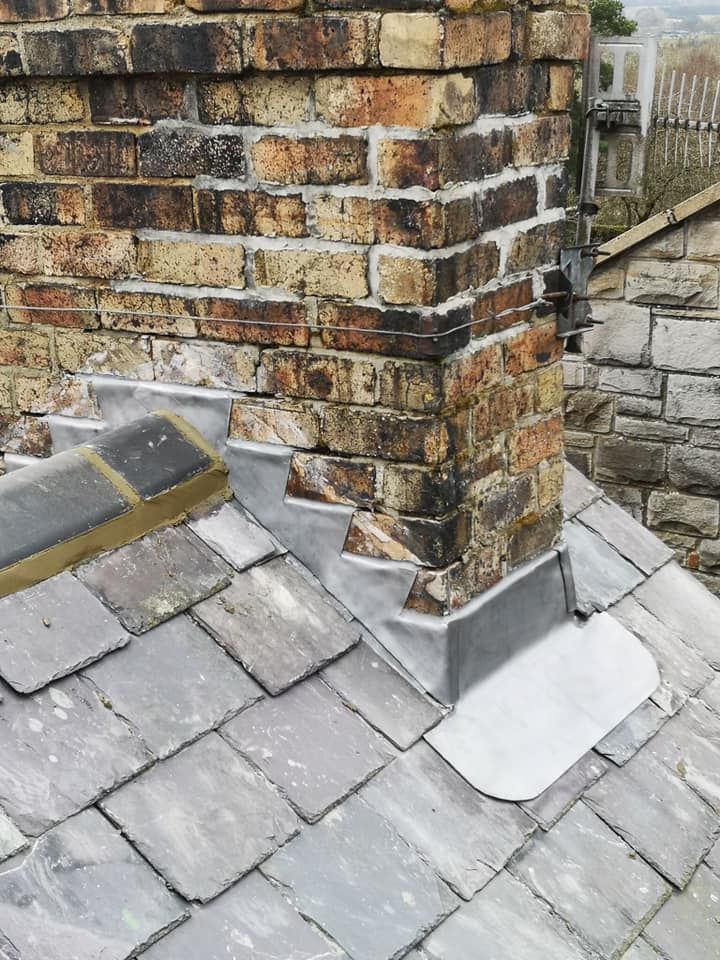
- Flashings and lead work — inspected around chimneys, dormers, and valleys
- Guttering and fascias — checked for blockages and damage that could cause water ingress once panels are fitted
In areas like Chaddesden and Alvaston, we regularly find concrete tile roofs from the 1970s and 80s with heavy moss loading and cracked pointing. These roofs need attention before solar goes on — not after.
What About Spray Foam Insulation?
We also check for spray foam insulation in the loft. Spray foam on the underside of the roof timbers is one of the most common blockers to solar panel installation in Derby. It can prevent proper inspection of the rafters, complicate the drilling of mounting brackets, and — critically — affect your ability to remortgage the property.
Derby Roofers carries out spray foam removal as a separate service. If we find spray foam during your pre-solar survey, we flag it clearly, explain the options, and can carry out removal before your solar installer visits. This keeps your installation on track and protects your property's mortgage status.
In-Roof vs On-Roof Solar Systems — What Preparation Does Each Need?
This is a question more Derby homeowners are asking in 2026, and the prep work differs between the two.
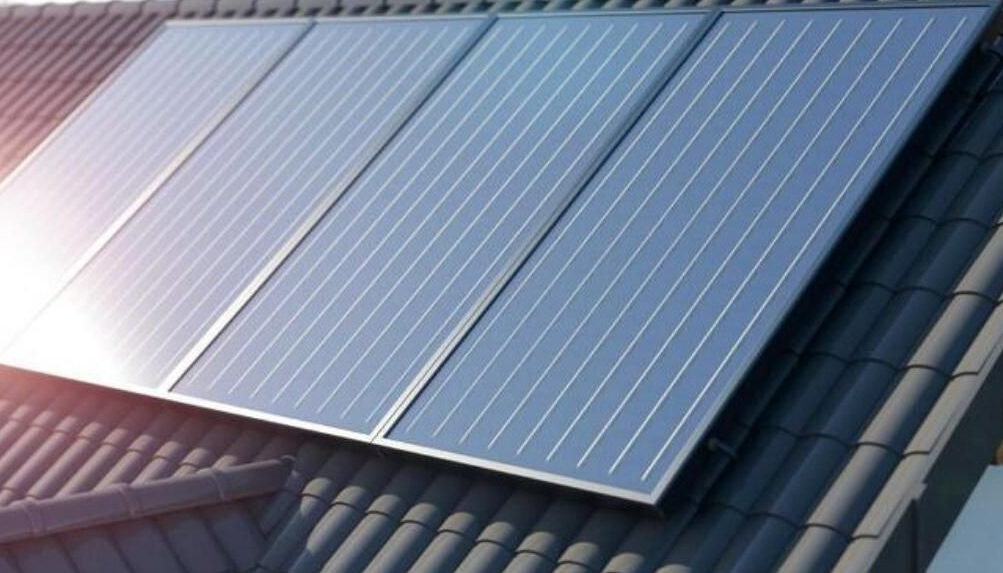
On-roof solar systems are the most common type. Panels sit above the existing roof surface on a hook-and-rail mounting system. Preparation focuses on tile condition, rafter integrity, and waterproof flashing around each anchor point.
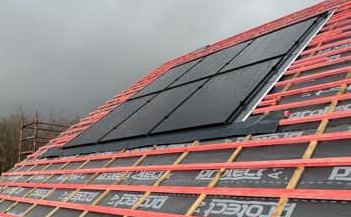
In-roof (integrated) solar systems replace a section of your roof tiles entirely. The panels sit flush with the surrounding roof surface. This system is more common on new builds or properties undergoing a full re-roof. Preparation for an in-roof system involves:
- Stripping back the existing tile or slate covering in the installation zone
- Checking and reinforcing the timber substrate beneath
- Ensuring the surrounding tiles or slates butt up cleanly to the new panel array
- Installing correct weatherproofing and flashing around the perimeter
If you are re-roofing a Derby property and planning to add solar, combining the two projects is often the most cost-effective approach. We can carry out the re-roof and leave the installation zone prepared for your solar company.
Roof Direction and Pitch in Derby — What We Confirm Before Your Solar Survey
Before any panel goes on your roof, the pitch and orientation need to be measured and recorded. This is part of what we check during your pre-solar roof preparation survey in Derby.
A south-facing roof at 30–40 degrees is the standard target for solar in the UK. Most Derby roofs fall within a usable range — but knowing your exact pitch and orientation lets your solar installer design the right system from the start. Getting this confirmed by a roofing contractor before the solar survey saves time and avoids design changes on installation day.
What we assess during your Derby roof pitch and orientation check:
- Roof pitch — measured accurately, not estimated
- Orientation — south, east, west, or split between elevations
- Available roof area — clear usable space after chimneys, dormers, and skylights are accounted for
- Roof zones — which areas are structurally suitable for mounting brackets
- North-facing slopes — identified and flagged; we advise on whether alternative surfaces such as a garage roof or outbuilding offer a better option
Many Derby properties in Littleover and Mickleover have detached and semi-detached houses with generous south-facing rear pitches that suit solar well. Victorian terraces in areas like Normanton and Spondon often have steeper pitches — these still work for solar but the mounting detail is different, and we advise on that as part of the prep process.
East-west split installations are increasingly popular in Derby. If your roof faces east-west, panels can be split across both slopes and still generate strong output — often around 80–85% of a south-facing system. We confirm whether this layout suits your roof and flag it in the survey report for your solar installer.
Tile, Slate, and Flat Roofs — Different Roofs Need Different Solar Preparation
Not every Derby roof needs the same preparation. The material your roof is covered in determines which fixing method the solar installer will use — and which prep steps we need to complete before they arrive.
Concrete and Clay Tile Roofs
The most common type across Derby. Preparation involves checking each tile in the installation zone for cracks or movement, removing and replacing any damaged tiles, and confirming the tile profile is compatible with the hook-and-rail mounting system your solar installer intends to use.
Natural and Synthetic Slate Roofs
Found on older properties in areas like Darley Abbey and parts of Derby city centre near the Cathedral Quarter. Slate preparation requires specialist care. We use slate hooks rather than standard tile hooks. Cracked or loose slates in the installation zone are replaced before any bracket goes in.
Flat Roofs
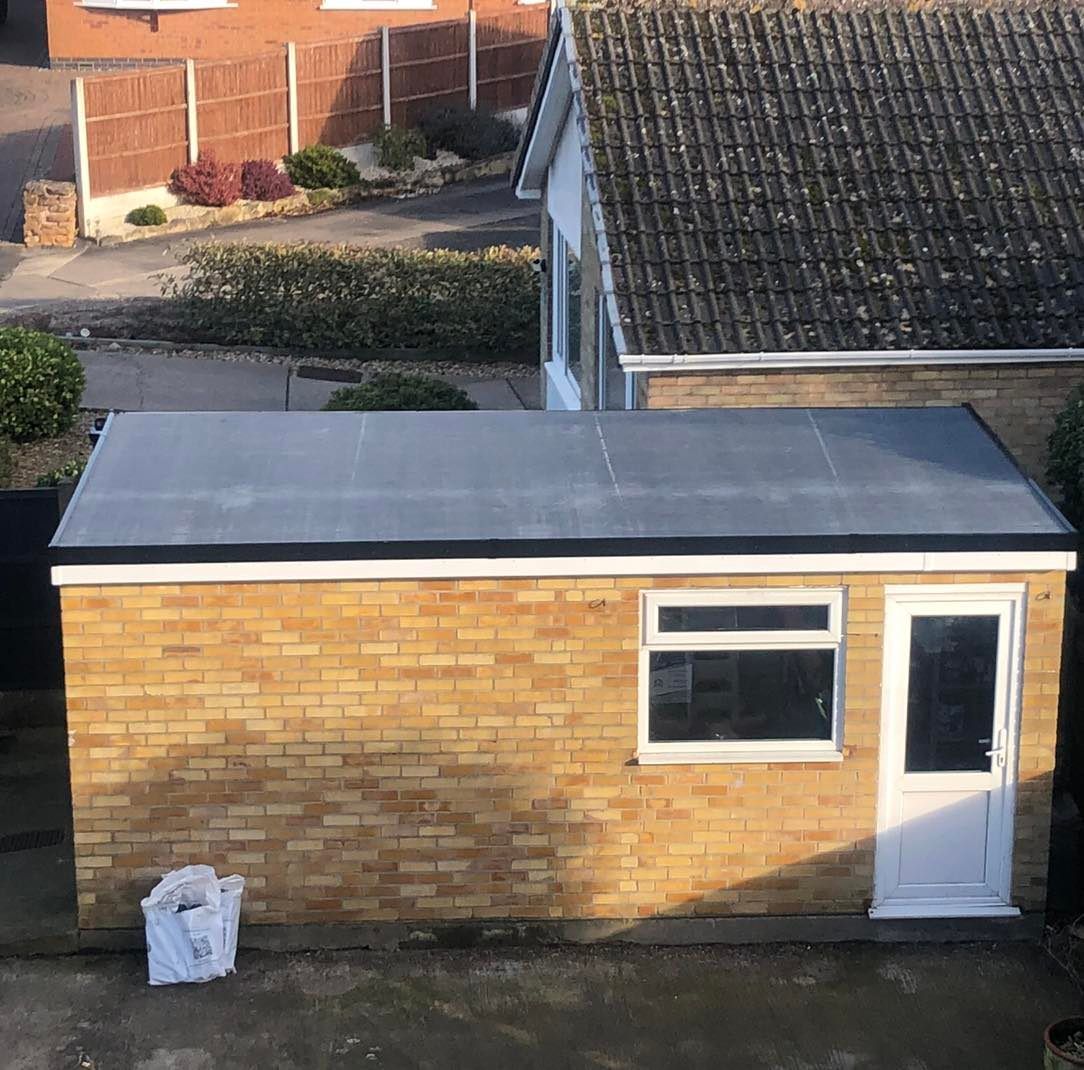
Common on Derby extensions and 1960s–80s builds in Alvaston and Sinfin. Flat roof solar preparation is different from pitched roof work. We check the membrane for damage, pooling, or delamination. We confirm the load-bearing capacity of the structure — flat roof solar systems use ballast or mechanically fixed frames, both of which add significant weight. We address any waterproofing issues before the solar installer's survey.
On flat roofs in Derby, panels must also remain below 1 metre above the highest point of the roof to comply with permitted development rules. We confirm this as part of the prep survey.
Metal and Built-Up Felt Roofs
Found on garages and commercial properties across Derby. These require a corrosion check, surface condition report, and confirmation that the substrate can accept solar frame fixings without compromising the weatherproofing.
Heritage and Listed Building Roofs
Derby has a significant number of listed and heritage properties — particularly in the Cathedral Quarter and parts of Darley Abbey. Solar installations on these buildings require careful preparation and in some cases specialist slate or tile solar mounts that minimise visual impact. We have experience preparing heritage roofs in Derby for solar and can advise on the right approach.
Shading From Trees and Chimneys in Derby — Why It Needs an On-Roof Assessment
Shading is one of the biggest factors in how well a solar panel system performs — and it needs to be assessed by someone standing on your roof, not just looking at a satellite image.
We carry out a hands-on shading assessment as part of every solar roof preparation survey in Derby. We check what is casting shade, where it falls across the roof, and at what times of year it becomes a problem.
Common shading issues we find on Derby roofs:
- Chimney stacks — large stacks on Victorian and Edwardian properties in Normanton and Pear Tree cast significant shade in the morning or afternoon depending on orientation
- Neighbouring properties — tightly packed terraces and semis across many Derby streets mean next-door eaves can shade your lower roof zone
- Mature trees — Darley Abbey and Allestree have well-established street and garden trees that create seasonal shading patterns changing throughout the year
- Dormers and roof lights — these obstruct panel placement and affect the usable roof area available
- Satellite dishes and aerials — these are small obstructions but can cast disproportionate shade on string inverter systems; we note their position and advise on relocation if needed
We map the shading clearly so your solar installer can position panels in the best performing zones. If trees are the issue, we advise on whether trimming would make a meaningful difference. If chimneys are a factor, we note it in the survey report.
This information also helps your installer decide whether microinverters or power optimisers are worth fitting — technology that allows each panel to work independently, so shade on one panel does not pull down the output of the whole system.
Planning Permission and Building Regulations for Solar Roofs in Derby
Most Derby homeowners do not need planning permission for solar panels. Domestic solar installations fall under permitted development rights in the UK, provided certain conditions are met. We cover what those rules mean for your property as part of our pre-solar survey.
The key permitted development conditions for solar panels in England:
- Panels must not protrude more than 200mm above the roof surface on a pitched roof
- On flat roofs, panels must not protrude more than 600mm above the roof surface
- The installation must not project above the highest point of the roof
- Panels must be more than 1 metre from the edge of the roof or wall joint
Building regulations always apply, even when planning permission is not required. Your solar installer must demonstrate that the roof can structurally support the system. Our pre-solar survey provides the structural documentation that supports this process.
Where permitted development rights may not apply:
- Listed buildings — planning permission is required for any solar installation
- Conservation areas — panels on the principal elevation visible from the road may require approval
- Properties with Article 4 Directions — some Derby streets have additional restrictions that remove standard permitted development rights
- Flats and maisonettes — permitted development rules differ; permission may be needed even outside a conservation area
Derby has a number of conservation areas and listed properties — particularly in the Cathedral Quarter, parts of Darley Abbey, and some streets in Mickleover. If your property falls into one of these categories, we flag it clearly during the pre-solar survey and advise you to check with Derby City Council before your installer proceeds.
Our Free Drone Roof Survey — See Your Roof Before You Commit
Every solar roof preparation enquiry at Derby Roofers starts with a free drone roof survey.
Our CAA-compliant drone pilot captures high-resolution images and video of your entire roof — tiles, ridge, valleys, flashings, chimneys, and gutters — without ladders and without scaffolding. You receive a written report with annotated photographs and plain-English recommendations.
For solar preparation, the drone survey gives us:
- A full picture of tile and slate condition across the installation zone
- Identification of ridge, hip, and flashing issues before they become installation blockers
- A visual record of the roof before any work begins — useful for your records and for your solar installer
I
f repairs are needed, you see exactly what they are and why — before any work is agreed.
Our drone survey covers Derby, Mickleover, Allestree, Littleover, Normanton, Chaddesden, Alvaston, Spondon, Darley Abbey, and across Derbyshire.
FAQs — Solar Panel Roof Preparation in Derby
Does my Derby roof need to be repaired before solar panels are fitted?
Yes — any damaged tiles, failed felt, loose ridge work, or heavy moss should be fixed before solar panels are installed. Repairs after installation require the panels to be removed first, which adds cost and risk of damage.
How do I know if my roof is structurally strong enough for solar panels in Derby?
A structural roof survey from a qualified roofing contractor tells you this clearly. We check your rafters, timbers, and deck condition and tell you exactly what the roof can carry — before your solar installer visits.
Can solar panels go on a flat roof extension in Derby?
Yes, but flat roof preparation is different from pitched roof work. We check the waterproofing membrane and confirm the structure can handle the added weight from ballast or fixed frames before your solar installer surveys the roof.
Does roof direction affect what preparation work is needed in Derby?
Pitch and orientation are confirmed during your pre-solar survey. They affect how the mounting system is designed and which roof zones are suitable for panels. We include this in every preparation report.
Do I need planning permission for solar panels on my Derby home?
Most Derby homes fall under permitted development rights and do not need permission. Listed buildings and properties in conservation areas — including parts of the Cathedral Quarter and Darley Abbey — may need Derby City Council approval before installation.
What happens if spray foam insulation is found during the pre-solar survey?
We flag it clearly in the survey report. Spray foam on roof timbers can complicate solar installations and affect mortgageability. Derby Roofers carries out spray foam removal as a separate service if required.
How long does solar panel roof preparation take in Derby?
The survey itself typically takes one visit. Repair work depends on what the roof needs — minor tile and pointing repairs are usually completed within a day. More significant work is scoped and scheduled before your solar install date.
Can I save money by combining roof repairs and solar installation at the same time?
Yes. If scaffolding is required for both the roofing repairs and the solar installation, coordinating the two jobs together means the scaffold is erected and struck once rather than twice. We work alongside your chosen solar installer to co-ordinate this where possible.
What is the best roof pitch for solar panels in the UK?
A pitch of 30–40 degrees is considered optimal for solar panel performance in the UK. Most Derby roofs sit within this range. We measure your exact pitch during the pre-solar survey and include it in the report for your installer.
Can solar panels be installed on a north-facing roof in Derby?
North-facing roofs are generally not recommended for solar in the UK. However, if your home has a garage, outbuilding, or east-west split that offers better orientation, we identify those options during the roof preparation survey.
Areas We Cover for Solar Panel Roof Preparation in Derby and Derbyshire
Derby Roofers proudly serves homeowners and businesses throughout Derby city and the wider Derbyshire area. Our local teams cover:
Derby City Areas:
- Derby City Centre (DE1)
- Allestree, Mackworth & Quarndon (DE22)
- Mickleover (DE3)
- Littleover & Normanton (DE23)
- Chaddesden, Oakwood & Spondon (DE21)
- Alvaston, Crewton & Osmaston (DE24)
Surrounding Derbyshire Towns & Villages:
- Belper (DE56)
- Ripley (DE5)
- Ilkeston (DE7)
- Heanor (DE75)
- Swadlincote (DE11)
- Ashbourne (DE6)
- Matlock (DE4)
- Borrowash & Draycott (DE72)
- Etwall & Hilton (DE65)
- Melbourne & Chellaston (DE73)
- Duffield & Little Eaton (DE56 / DE21)
- Breadsall & Darley Abbey (DE21 / DE22)
- Long Eaton (NG10)
- Castle Donington (DE74)
Not sure if we cover your area? Call us on 01332-529704 and we'll be happy to help.
Ready to Get Your Derby Roof Solar-Ready? Book Your Free Survey Today
Solar panels are one of the most popular home upgrades in Derby right now — and with energy prices remaining high in 2026, it is easy to see why. But the roof comes first.
A poorly prepared roof can lead to leaks, voided warranties, and expensive panel removal further down the line. Getting a professional roofing contractor to assess and prepare your roof before installation day is the step that protects your investment from the start.
Derby Roofers has been working on roofs across Derby and Derbyshire for over 20 years. We know the housing stock, we know the local weather, and we know exactly what your roof needs before solar panels go on.
Here is what happens when you get in touch:
- We book your free drone roof survey — no obligation, no charge
- We inspect the structure, tiles, felt, flashings, and shading from the inside and outside
- You receive a clear written report with photographs and honest recommendations
- If repairs are needed, we quote in writing before any work begins
- We complete the preparation work and confirm your roof is solar-ready
Call us now on 01332 529704 or complete our online contact form for your free, no-obligation roof survey. We answer every call. We call back the same day.