Derby Roofers
Standing Seam Roof Contractor
Call us now book a FREE consultation and FREE Quotation
FREE Drone Roof Survey Available
Call: 01332-529704
Standing Seam Roofing Derby: The Long-Life Metal Roof Built for Derbyshire Homes and Businesses
We Are Your Trusted, Local Roofing Contractor Serving Derby & Derbyshire
Don't wait — contact Derby Roofers today for a FREE quote and a FREE drone roof survey.
📞
Call Now: 01332-529704
If you're searching for a roofing system that looks sharp, holds up for decades, and handles everything the British weather throws at it — standing seam roofing deserves a serious look.
In Derby, standing seam is one of the fastest-growing roofing choices for homeowners and businesses. From house extensions in Mickleover to commercial units on Pride Park, this sleek metal roof system delivers watertight performance for decades — with very little maintenance required.
We install standing seam roofing in Derby and across Derbyshire — on homes, garages, extensions, new builds, flat-to-pitch conversions, and commercial properties. Available in aluminium, zinc, steel, and copper, these systems suit a wide range of property types and budgets.
We are fully insured, we use no subcontractors, and we have been working across Derby for over 20 years. Call us on 01332-529704 for a free roof survey and written quote — no obligation, no pressure.
What Is Standing Seam Roofing?
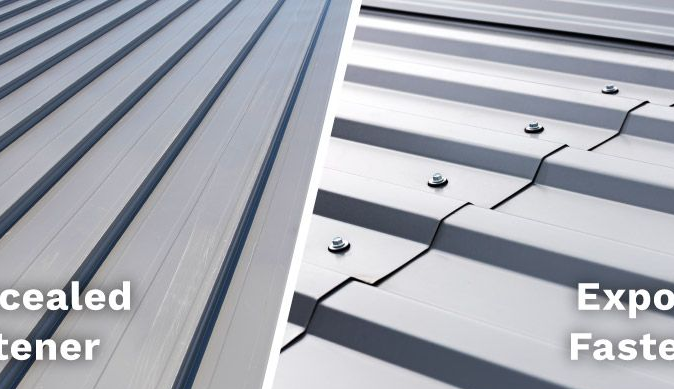
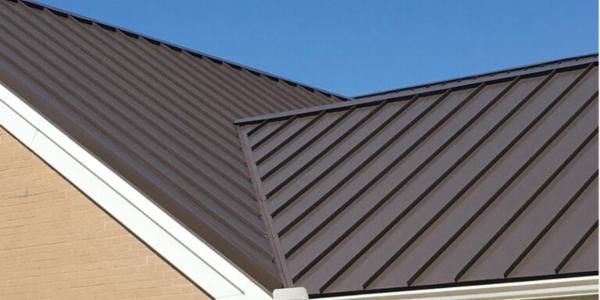
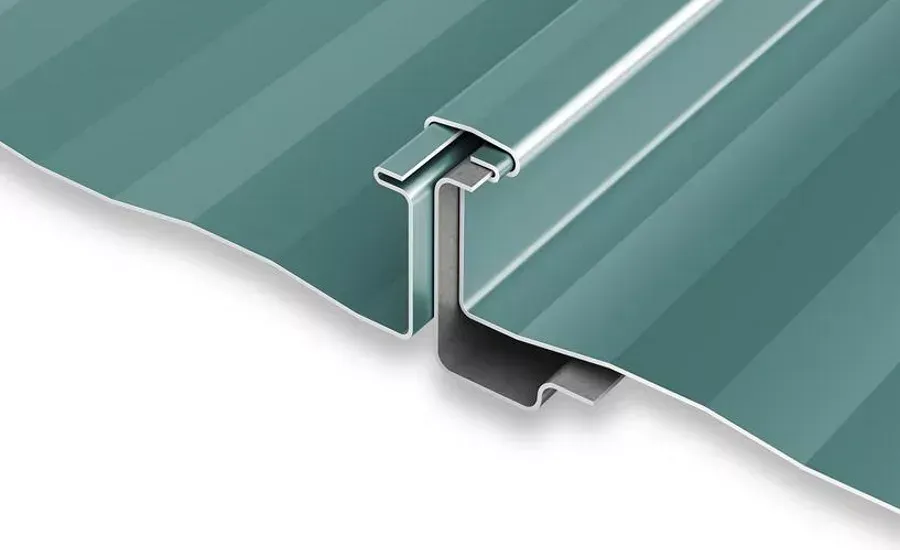
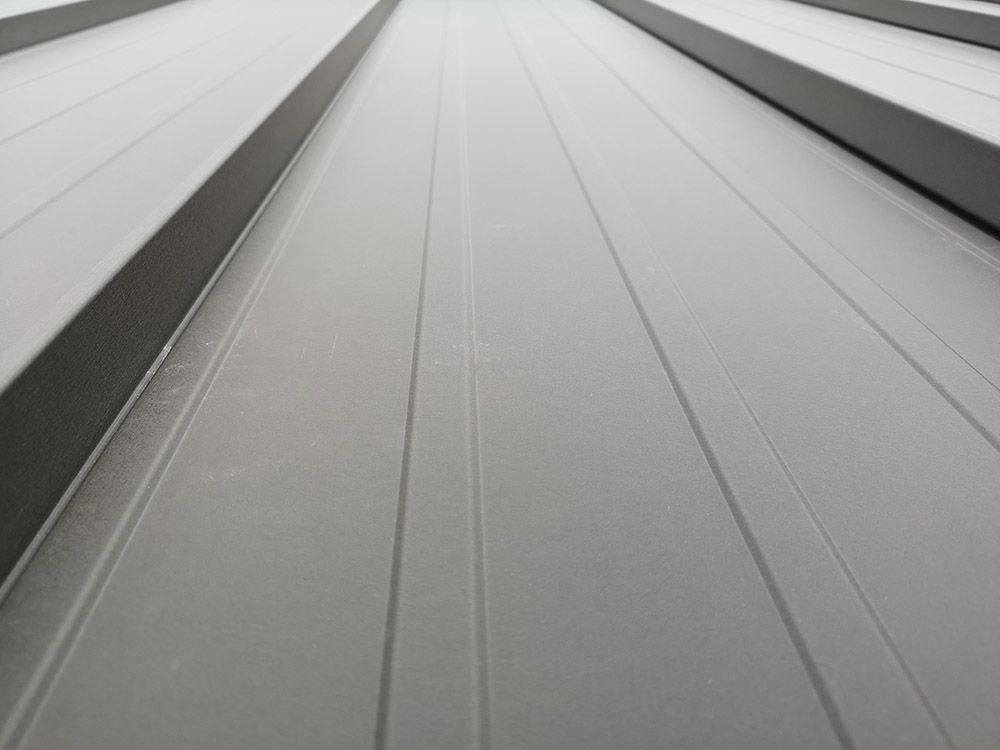
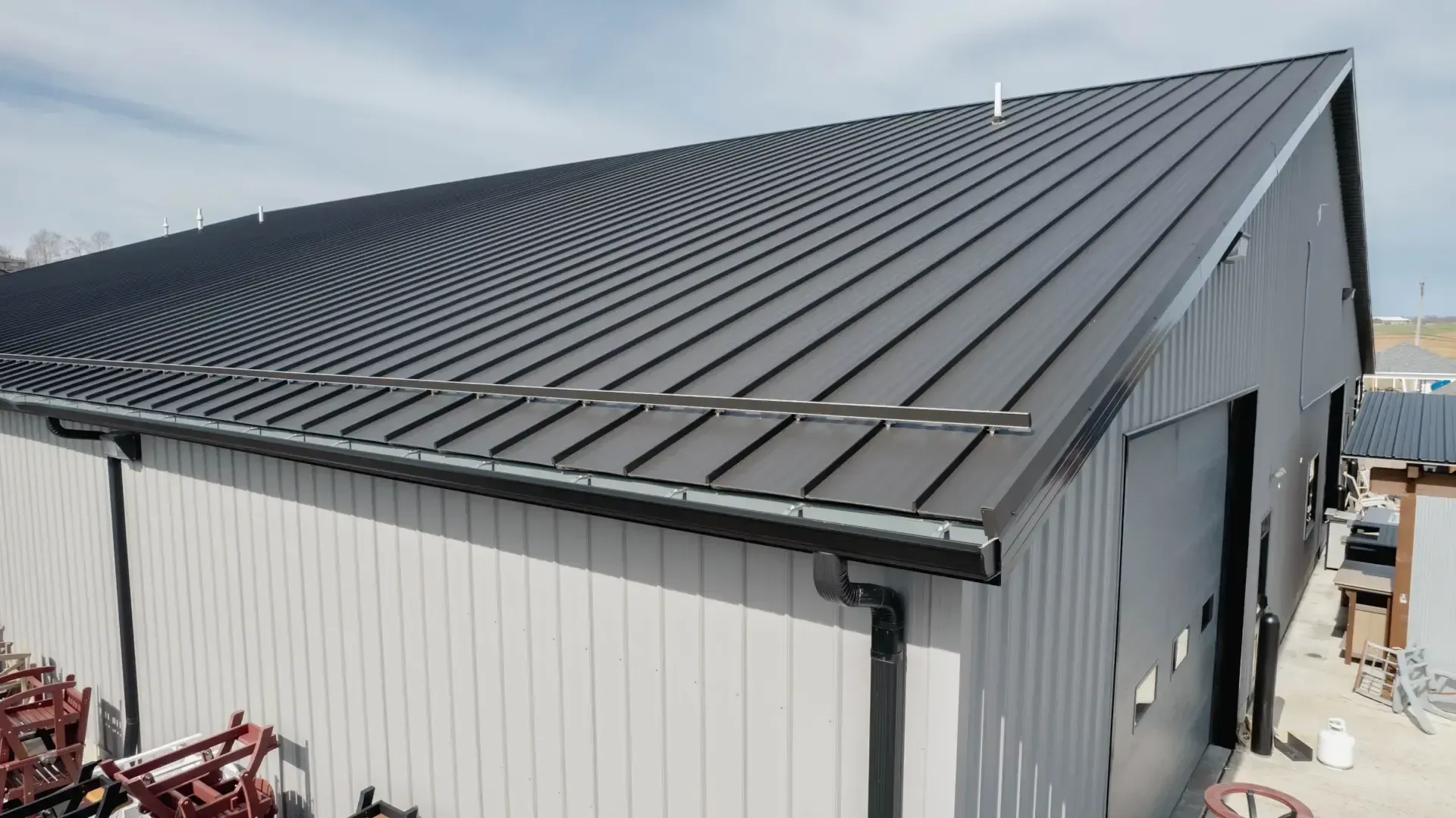
Standing seam roofing is a concealed fastener metal roof system where vertical panels run continuously from the ridge to the eaves in a single length. The panels lock together at raised seams, hiding all fixings completely beneath the surface. There are no exposed screws or nail holes anywhere on the finished roof.
It is often described as one of the cleanest, most weather-tight roofing systems available in the UK today — and demand for it on residential properties has grown rapidly over the past decade, particularly for extensions, oak frame homes, and contemporary new builds.
Common uses we install in Derby and Derbyshire:
- House extensions and orangery roofs
- Full residential re-roofs on modern and period properties
- Garage and outbuilding roofs
- Flat-to-pitch conversions
- Commercial and industrial buildings
- Agricultural and rural buildings across the Derbyshire countryside
- Loft conversion roofing alongside Velux and rooflight integration
How Standing Seam Roofing Differs from Other Metal Roof Systems
If you have looked at metal roofing options in Derby, you may have come across through-fixed sheeting, box profile panels, corrugated metal, or composite cladding systems. Standing seam is different in one fundamental way: all fixings are completely hidden.
Through-fixed metal sheets use screws that penetrate straight through the panel face. Over time, those screw holes can work loose or allow water ingress — particularly on Derby properties that deal with hard winters and heavy spring rainfall. Standing seam panels sit on concealed clip brackets instead. The clips allow each panel to expand and contract with temperature changes without placing stress on any joint or fixing point.
Composite panels use a three-layer sandwich system with an insulation core bonded between an outer and inner sheet. Standing seam uses a single outer skin — keeping the profile thinner, the lines cleaner, and the aesthetic sharper. For properties in Allestree, Darley Abbey, or the historic streets around Derby city centre where visual quality matters, standing seam is consistently the preferred choice.
Standing Seam Material Options: Which Is Right for Your Property?
Choosing the right material is one of the most important decisions for your roof. Here is a plain-language guide:
- Aluminium — lightweight, fully corrosion-resistant, available in a wide range of powder-coated colours and finishes. The most popular choice for residential extensions and re-roofs across Derby. Excellent value for long-term performance.
- Zinc — develops a natural grey patina over time that actually protects the metal beneath. A traditional choice for period properties, conservation area work, and heritage projects across Derbyshire. Can last well over 100 years when properly installed.
- Steel (pre-coated / GreenCoat®) — cost-effective, strong, and available in a broad colour range. Widely used on commercial buildings, agricultural structures, and larger roof areas across the Derby area. BBA-certified systems available.
- Copper — a premium architectural material that develops a distinctive green patina with age. Used on heritage and listed building projects where planning authorities approve it. Long-term prestige option for special projects.
We will advise you on the right material for your property, planning situation, and budget during your free survey.
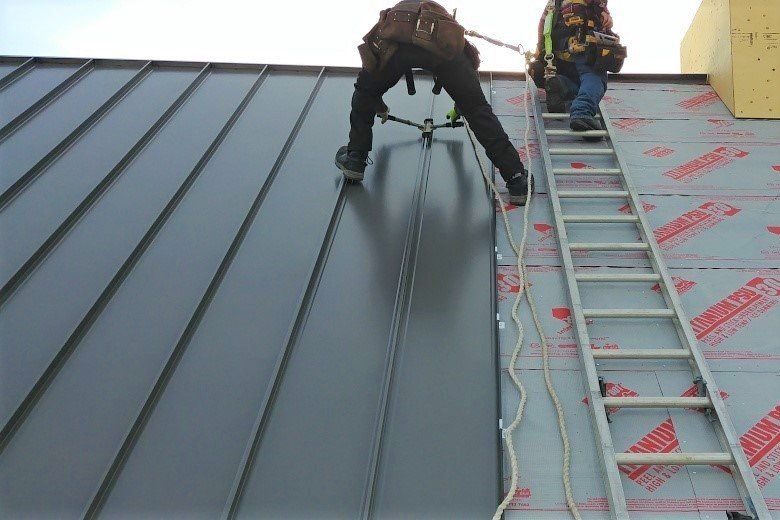
Why Standing Seam Roofing Handles Derby's Climate So Well
Derby and Derbyshire are not known for gentle weather. Prevailing westerly winds from the Pennines push rain sideways across roofs, particularly on north-facing slopes and exposed hillside properties. Standing seam is engineered for exactly these conditions.
The raised interlocking seams form a continuous physical barrier against horizontal rain. Water runs down the vertical panels and straight off the eave — it never has to cross a flat joint, a mortar bed, or a screw hole to reach the building below. This makes standing seam particularly effective on low-pitch roofs, which are extremely common on Derby house extensions, garage roofs, and modern single-storey additions. Traditional tiles and felt struggle reliably below around 15° pitch. Standing seam panels perform from as low as 5°.
"Will it be noisy in the rain?" — this is the most common question we get asked, and the honest answer is no. A properly installed standing seam roof with a rigid insulation layer and roof deck beneath it is noisier in heavy rain than a tiled roof. The drumming effect people associate with metal roofing only happens on uninsulated outbuildings without a structural deck. On a home in Littleover or a commercial unit in Ripley, you simply will not hear it.
Derbyshire's freeze-thaw winters are handled without issue. Concealed clips allow panels to expand and contract freely with the seasons. There is no mortar to crack, no pointing to fail, and no exposed fixings to work loose after a hard frost.
Additional weather performance benefits:
- Excellent wind uplift resistance — panels cannot detach in storm conditions
- Smooth surface sheds snow and ice cleanly without loading the structure
- Non-combustible — Class A fire rating; no risk of roof-spread fire
- Resistant to moss, algae, and lichen — no cleaning treatments needed
- Fully recyclable at end of life — one of the most sustainable roofing choices available
Standing Seam Roofing and Planning Permission in Derby
For most Derby properties, fitting a standing seam roof is permitted development — you do not need a planning application. This covers standard re-roofs, extension roofs, garage roofs, and most commercial re-roofing work anywhere in Derby and the wider Derbyshire area.
There are two situations where you must check first:
Conservation Areas in Derby
Derby City Council has Article 4 Directions covering several conservation areas, including parts of the city centre, Friargate, the Cathedral Quarter, and other designated neighbourhoods. Within these areas, a change of roofing material — which would normally be permitted development — may require a full planning application. We check the Council's Article 4 Direction webmap for your specific address as part of every free survey. If your property is affected, we advise you on appropriate materials and can talk you through the application process.
Listed Buildings Across Derbyshire
If your property is listed, any alteration that affects its architectural or historic character requires Listed Building Consent from Derby City Council or your relevant district council. This applies to roofing regardless of where on the building the work sits. Zinc and pre-patinated copper are the materials most commonly approved on listed properties in Derbyshire, though each application is considered individually. Derbyshire County Council maintains a buildings craft register for specialist historic work — we are familiar with the approval process and can guide you from the outset.
If you are unsure whether your property carries any designations, call us on 01332-529704. We check before you spend a penny.
Thermal Expansion: Why Correct Installation Makes All the Difference
Metal moves. In Derbyshire, where summer air temperatures can exceed 30°C and winter nights drop sharply below freezing, a standing seam roof will expand and contract throughout its life. That movement is completely normal — and completely manageable, as long as the system is installed correctly.
Each panel sits on concealed floating clips rather than being rigidly fixed to the structure. These clips allow each panel to slide a controlled amount along its length as temperatures change. The panel is secure laterally — it will not blow off or shift sideways — but it is free to move longitudinally. This controlled movement prevents buckling, seam lift, and joint failure over time.
What goes wrong when installation is poor:
If fixed clips are used where floating clips are required — or if insufficient clearance is left at the ridge and eave — the panels cannot move. Over a few seasons of heating and cooling, stress accumulates, seams begin to lift, and water gets behind the panel. The resulting damage is expensive to put right and often requires a partial or full reinstall.
The clip specification must match the panel material. Aluminium, zinc, and steel all require different clip types, spacings, and thermal allowances. We specify the correct system for every job and do not cut corners on fixings. Before we quote any standing seam installation in Derby, we carry out a full structural survey of the roof deck — and you receive a written quote that sets out exactly what is being installed and why.
Solar Panels and Standing Seam Roofing: A Natural Combination
Standing seam roofs and solar panels work together better than any other roofing system available in the UK. Here is why.
On a traditional tiled roof, solar panels are fixed using tile hooks that penetrate the surface and anchor into the rafter below. Every penetration point is a potential leak. On a standing seam roof, solar panels attach using seam-clamp brackets that grip the raised seam from the outside — no holes drilled, no penetrations made, roof surface completely intact.
This is a genuine advantage that is driving a growing number of Derby homeowners to choose standing seam when they plan ahead for solar installation.
Seam-clamp mounts are compatible with most standard standing seam profiles, but the seam height and profile type must be verified before specifying the mounting hardware. We confirm compatibility at the survey stage and will flag any limitations clearly.
If you are planning to add solar within the next few years, tell us at the time of installation. We can orientate panels, plan the ridge layout, and design the roof so your solar array fits cleanly when you are ready — at no extra cost to the roofing installation itself.
Rooflights and Velux integration — standing seam is also fully compatible with rooflights and roof windows. We design the opening positions into the panel layout from the start, using purpose-made sealed flashings that maintain the roof's weathertightness. We have completed standing seam roofs with integrated rooflights on extensions in Borrowash, loft conversions in Chellaston, and new builds across the Derby area.
Home Insurance and Standing Seam Roofing: What You Need to Do Before Work Starts
Changing your roofing material is a notifiable change under most UK home insurance policies. Failing to inform your insurer before significant building work begins could affect your cover mid-project.
Before installation starts, we recommend you contact your insurer and do the following:
- Notify them that you are replacing the existing roof covering with a metal standing seam system
- Confirm the construction type — non-combustible metal panels on a timber or steel substructure
- Provide the approximate roof area and the material being used (aluminium, zinc, or steel)
- Agree the anticipated start and completion dates for the project
- Request written confirmation that your policy continues without interruption throughout the work
Many insurers respond positively to metal roofs because of their non-combustibility, long lifespan, and low maintenance profile. Some may adjust rebuild valuations; others may lower premiums. The outcome depends entirely on your specific policy and provider.
For properties near the River Derwent or in areas of Derby with a history of surface water flooding, confirm that any mid-term policy change does not affect your existing flood terms. Keep written records of all insurer communications before and during the project. If your property is a buy-to-let or commercial building, the same notification requirement applies to your landlord or commercial buildings policy.
We can provide full written details of the system being installed to support your insurer notification.
Frequently Asked Questions — Standing Seam Roofing in Derby
What is standing seam roofing and how does it work?
Standing seam roofing is a metal roof system where vertical panels run from the ridge to the eaves and lock together at raised seams that conceal all fixings. There are no exposed screws anywhere on the roof surface — this is what makes it so watertight and long-lasting compared to other metal systems.
Is standing seam roofing suitable for a house in Derby, or is it mainly for commercial buildings?
Standing seam is fully suitable for residential properties in Derby. We install it on house extensions, garage roofs, full re-roofs, loft conversions, and new builds across Derbyshire. It is no longer a commercial-only product — it is increasingly common on homes in Mickleover, Allestree, Borrowash, and similar areas.
How long does a standing seam roof last in the UK?
A well-installed standing seam roof in the UK typically lasts between 40 and 70 years, depending on the material used. Zinc roofs can last well over a century with correct installation. Aluminium and steel systems with quality factory coatings perform reliably in Derbyshire's wet climate for several decades. All our installations come with a written workmanship warranty.
Is standing seam roofing noisy when it rains?
No — not when installed with a proper insulation layer and roof deck beneath the panels, which is how we carry out every standing seam installation. The noise concern applies specifically to uninsulated agricultural outbuildings without a roof deck. On a home or commercial property in Derby, the sound is comparable to a tiled roof.
What is the minimum pitch for a standing seam roof?
Standing seam roofing can be installed on pitches as low as 3° to 5°, depending on the system and profile selected. This makes it an excellent solution for shallow-pitch extensions, garage roofs, and flat-to-pitch conversions across Derby and Derbyshire — where many other roofing materials would not be suitable.
Do I need planning permission for a standing seam roof in Derby?
In most cases, no. Standard re-roofs and extension roofs fall under permitted development rights. If your property sits within a conservation area in Derby city centre or a surrounding district, or if it is a listed building, additional planning checks are required. We confirm your property's planning position as part of every free survey.
Can I add solar panels to a standing seam roof?
Yes. Seam-clamp mounts attach to the raised seam from the outside — no drilling into the panel, no penetrations. We recommend planning the solar layout at the time of roof installation so the array fits cleanly. We advise on panel orientation and mounting compatibility during your free survey.
How much does standing seam roofing cost in the UK?
Standing seam is a premium roofing system and is priced accordingly. Material and installation costs vary depending on the metal chosen, the roof area, pitch, and access requirements. We provide free, fully itemised written quotes for every Derby and Derbyshire project — call 01332-529704 to arrange yours. There is no obligation to proceed.
Does my insurer need to know before I have a standing seam roof installed?
Yes. Changing your roofing material is a notifiable change under most home insurance policies. Contact your insurer before work starts, confirm the system being installed, and get written confirmation that your cover continues. We can provide full system details to support your notification.
Can a standing seam roof be walked on for maintenance access?
A fully supported standing seam roof installed on a solid substrate can support the weight of a person for access and maintenance purposes. Care should be taken to avoid scratching the coated surface. We advise on safe access approaches for every installation — particularly for commercial properties where regular roof access may be required.
Does installing a standing seam roof in a Derby conservation area or on a listed building require Listed Building Consent?
Yes — on a listed building, Listed Building Consent is required from Derby City Council for any alteration affecting the building's architectural or historic character, including a change of roofing material. This is separate from planning permission. In Derby conservation areas, Article 4 Directions can remove permitted development rights, meaning a full planning application may also be needed. Derbyshire's local planning authorities assess material suitability case by case — zinc and pre-patinated copper are most commonly approved on heritage properties. Always seek pre-application advice from your local authority before committing to a material.
Areas We Cover for Standing Seam Roofing in Derby and Derbyshire
We install standing seam roofing across Derby and the surrounding Derbyshire area. If your property is within reach of Derby, we can survey it and quote it — usually within a few days of your call.
Derby City and close suburbs:
- Derby City Centre — DE1
- Mickleover — DE3
- Allestree & Darley Abbey — DE22
- Littleover & Normanton — DE23
- Chaddesden & Oakwood — DE21
- Spondon & Borrowash — DE21 / DE72
- Alvaston & Chellaston — DE24 / DE73
- Breadsall & Mackworth — DE21 / DE22
- Markeaton — DE22
Derbyshire towns and surrounding areas:
- Long Eaton — NG10
- Ilkeston — DE7
- Heanor & Loscoe — DE75
- Belper & Duffield — DE56
- Ripley & Codnor — DE5
- Alfreton & Somercotes — DE55
- Matlock & Wirksworth — DE4
- Ashbourne — DE6
- Bakewell — DE45
- Swadlincote & Woodville — DE11
- Burton upon Trent — DE13
- Chesterfield — S40
- Buxton — SK17
- Nottingham — NG postcodes
Not sure if we cover your area? Call 01332-529704 and we will confirm straight away.
Ready to Book Your Free Standing Seam Roofing Survey in Derby?
If you are serious about a standing seam roof — whether that's a house extension in Spondon, a garage in Long Eaton, a listed farmhouse in the Derbyshire Dales, or a commercial building on Alfreton Road — the next step is straightforward.
Call us, and we will arrange a free survey at a time that suits you. We assess your roof structure, confirm your planning position, check material suitability, and give you a clear written quote with no pressure and no hidden charges. You decide if and when you want to proceed.
Standing seam is a long-term investment. The right system, installed correctly by a contractor who knows Derby's building stock and planning context, will protect your property for decades. We have been doing exactly that across Derbyshire for over 20 years.
📞 Call now: 01332-529704 📧 Email: info@derbyroofers.co.uk Or request a free quote at derbyroofers.co.uk/contact-derby-roofers
Derby Roofers · Loscoe Grange, Loscoe, Heanor, DE75 7JY · Serving Derby, Derbyshire and the East Midlands